
How to Choose Training Video Production Companies

In an era of rapid technological shifts, evolving compliance standards, and decentralized workforces, effective knowledge transfer has become a cornerstone of organizational success. Whether your objective is onboarding new staff, teaching complex medical procedures, or upskilling global teams on proprietary software, selecting the right partner from the pool of available training video production companies determines whether your educational curriculum succeeds or falls flat. A poorly produced video results in disengaged viewers and lingering knowledge gaps, while an expertly crafted production transforms difficult subject matter into engaging, easily digestible learning experiences.
The challenge many leaders face is that video production is not a one size fits all service. A studio that excels at producing fast paced social media advertisements may lack the instructional discipline required to design effective educational content. When you need to convey high stakes operational procedures, industrial safety rules, or intricate technical concepts, partnering with an animation focused studio often provides the greatest educational leverage. Let us examine the essential qualities to look for in a specialized production partner and explore how the right creative approach turns passive viewers into knowledgeable, capable learners.
Why Animation Is the Ideal Medium for Instructional Design

Traditional live action camera shoots have long been used for workplace seminars and instructional presentations, but they come with severe structural limitations. A physical camera can record an instructor talking, an employee clicking a mouse, or a piece of machinery operating from the outside. However, live cameras cannot travel inside a pharmaceutical inhaler, display wireless data passing between cloud servers, or illustrate abstract regulatory logic.
This is precisely where animation emerges as the premier format for education:
- Visualizing the Unseen: Animation allows you to demonstrate internal mechanisms, microscopic biological actions, and digital workflows that are physically impossible to capture with a camera lens.
- Eliminating Irrelevant Distractions: Live video sets feature visual noise, such as background clutter, outdated clothing, and uneven ambient lighting. Animation strips away everything except the essential lesson, keeping viewer focus strictly locked on learning objectives.
- Safety in Demonstration: Training employees on hazardous tasks, such as high voltage electrical maintenance or emergency chemical containment, can be illustrated safely and vividly in animation without putting real personnel in harm’s way.
- Effortless Updates and Modular Changes: When software interfaces update, safety guidelines evolve, or company policies change, updating an animated scene is simple and cost effective. You avoid the massive expense of hiring actors, booking film locations, and re shooting footage from scratch.
When evaluating a prospective training video production company, prioritize teams that understand how animation enhances cognitive comprehension rather than treating it merely as decoration.
1. Look for Proven Mastery Across Multiple Animation Styles

Instructional content varies dramatically depending on the subject matter, the audience demographic, and the desired learning outcome. A software user interface tutorial demands a different visual language than an industrial machinery overhaul or a human resources diversity seminar. A versatile partner should not try to force your training material into a single, rigid aesthetic.
When reviewing studio portfolios, look for demonstrated capability across several core disciplines:
3D Animation for Complex Physical Systems
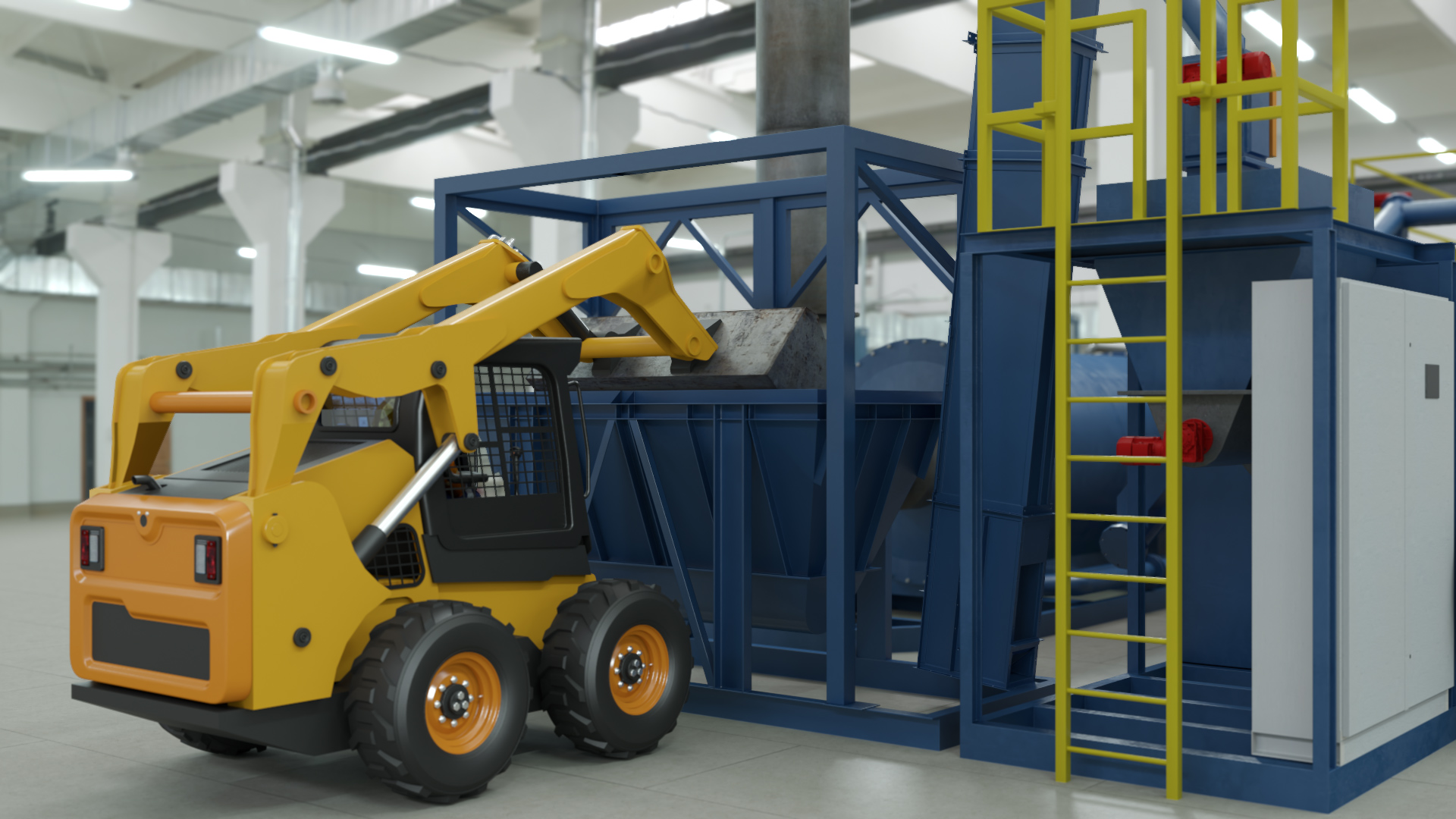
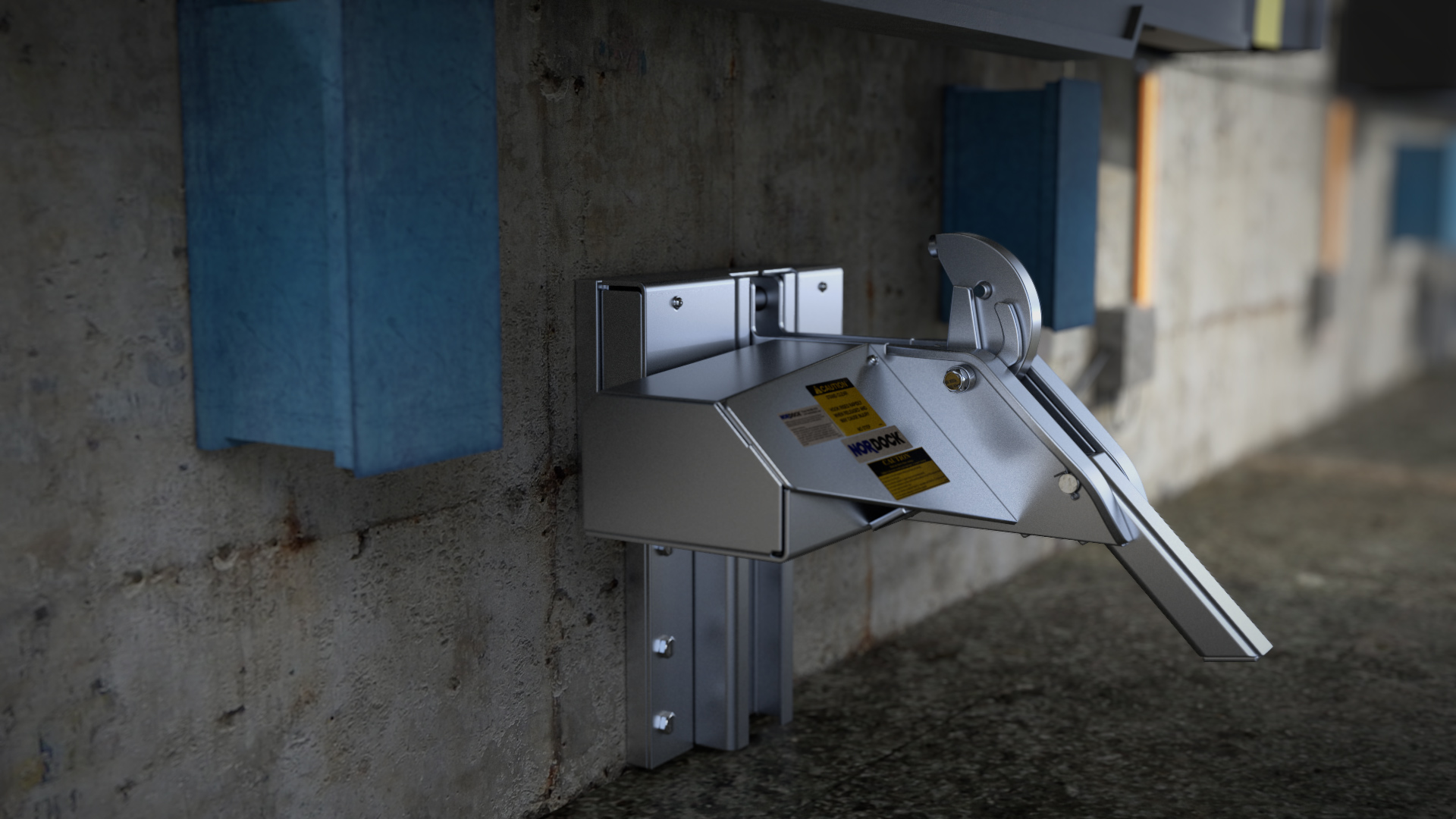
For technical equipment, medical devices, automotive engineering, and industrial manufacturing, three dimensional animation is unmatched. Through high end 3D animation production, a studio can construct digital twins from raw CAD files, show exploded parts drifting apart in mid air, and reveal internal mechanical operations with total optical precision.
2D Character Animation for Scenario Based Learning
When training touches on interpersonal conflict, customer service standards, or workplace safety culture, illustrative storytelling is exceptionally effective. Custom 2D animation production allows you to introduce relatable characters facing realistic workplace dilemmas, building empathy and guiding learners through real life decision making.
Motion Graphics for Process and Data Visualization
If your primary need is teaching software navigation, compliance statistics, or financial procedures, clean motion graphics production offers rapid clarity. Kinetic typography, modular UI overlays, and sleek transitions present multi step information without cognitive overload.
A qualified studio will recommend the best visual approach based strictly on your educational goals, often seamlessly combining 2D, 3D, and motion design within a single curriculum.
2. Evaluate Pedagogical Insight and Storytelling Discipline
Creating effective educational content requires far more than knowing how to use computer graphics software. Anyone can make shapes move on a timeline, but structuring a curriculum so that employees retain crucial information requires instructional storytelling discipline.
When vetting a potential training video company, assess how they approach your source material:
- Information Chunking: Do they understand how to break complex, thirty page manuals into short, modular microlearning chapters that prevent learner fatigue?
- Pacing and Cognitive Load: Does their previous work maintain a measured rhythm that gives learners enough time to absorb terminology before advancing to the next concept?
- Audio and Visual Harmony: Do their animations mirror the voiceover narrative directly, using dual coding principles to reinforce comprehension through both ear and eye simultaneously?
- Clarity of Screen Typography: Are on screen text highlights, labels, and diagram callouts clean, readable, and strategically placed to support visual hierarchy?
A great studio operates as a communication partner. They will challenge confusing technical terminology, recommend visual metaphors for abstract concepts, and organize your raw documentation into a smooth, logical learning progression.
3. Review Portfolio Depth Across Diverse Industries
Experience matters when dealing with technical and specialized subjects. A production team that has only created cartoon shorts will face a steep, expensive learning curve when tasked with visualizing cleanroom protocols, architectural schematics, or enterprise cybersecurity measures.
Examine the prospective studio client work to verify they have successfully delivered high stakes visual communication across varied animation industries. Studios that regularly partner with healthcare institutions, engineering firms, financial corporations, and technology leaders are already accustomed to working under strict non disclosure agreements, interpreting dense technical blueprints, and translating scientific concepts into understandable visual assets.
4. Insist on a Transparent, Structured Production Process
High quality animation is a collaborative, iterative craft that involves multiple specialized milestones. If a studio lacks a clear, milestone driven roadmap, your project risks suffering from delayed timelines, scope creep, and unexpected budget inflation.
A dependable partner should guide you through a standardized, well documented animation process:
- Discovery and Scriptwriting: Analyzing the source curriculum, defining learner objectives, and drafting conversational, educational scripts.
- Styleboards and Concept Art: Establishing visual direction, color palettes, character designs, and material finishes before animation begins.
- Storyboards and Animatics: Mapping out camera angles, visual pacing, and screen timing in rough sketched sequences synchronized with temporary audio.
- Professional Voiceover Casting: Sourcing clear, articulate voice artists whose tone matches the desired educational atmosphere.
- Animation and Simulation: Modeling, rigging, and animating visual assets with fluid timing and physical accuracy.
- Compositing and Sound Design: Blending visual layers, integrating custom sound effects, adding ambient music, and mastering audio for maximum vocal clarity.
- Final Delivery and Platform Optimization: Exporting high resolution files formatted for your Learning Management System, intranet portal, or video hosting platform.
Inquire upfront about revision policies, review turnaround windows, and project management tools to ensure you maintain total visibility at every stage of production.
5. Assess Long Term Modularity and Asset Ownership
Corporate training programs are living assets. As your software tools change, regulatory policies shift, or operational procedures adapt, your video library must evolve alongside them.
Before signing a contract for company training video production, clarify asset ownership and long term update procedures:
- Asset Longevity: Does the studio build organized, modular project files that allow individual scenes or text graphics to be updated in the future without rebuilding the entire video from scratch?
- Full Intellectual Property Ownership: Do you maintain complete, perpetual ownership of the finished video files, voiceover recordings, and visual deliverables?
- Localization Capabilities: If you operate multinational teams, can the studio easily adapt the animations for international audiences by swapping on screen text graphics and integrating multi language voice tracks?
Choosing a forward thinking studio guarantees that your educational investment delivers measurable value for years rather than becoming obsolete after a single software update.
Key Criteria for Evaluating Training Video Production Companies
To assist your procurement team in comparing potential animation studios, use this structured evaluation matrix:
| Evaluation Factor | Essential Qualities to Look For | Warning Signs to Avoid |
| Animation Versatility | Demonstrated success across 2D, 3D, and motion graphics | Pushes a single rigid art style regardless of your topic |
| Instructional Storytelling | Clear information hierarchy, paced delivery, and visual metaphors | Cluttered screens, erratic pacing, and heavy corporate jargon |
| Technical Accuracy | Ability to interpret CAD data, engineering specs, and technical manuals | Reluctance to work with engineering files or strict guidelines |
| Production Transparency | Defined milestones for script, storyboard, animatic, and final render | Vague timelines, undefined revision policies, and poor communication |
| Asset Modularity | Clean project architectures designed for future updates and localization | Inflexible raster files that cannot be updated down the road |
Focusing on these core operational metrics ensures that your leadership team selects an animation partner capable of delivering true instructional value.
Strategic Applications for Animated Training Media
Partnering with an accomplished studio allows you to deploy high impact training video productions across your entire organizational infrastructure:
- New Employee Onboarding: Welcome incoming staff with engaging corporate overviews that clarify organizational culture, operational values, and security protocols far better than static handbooks.
- Technical Software Walkthroughs: Demystify enterprise platforms and custom internal software using concise explainer video production workflows that guide users click by click.
- Industrial and Physical Product Operations: Educate equipment operators, warehouse technicians, and field engineers on complex machinery using photorealistic product video production that reveals internal mechanical systems with absolute clarity.
- Executive Leadership and Compliance: Deliver crucial anti harassment, data privacy, and workplace safety updates through polished corporate video production that ensures high engagement and verifiable comprehension.
- Public and Patient Education: Specialized video production for educators and healthcare organizations simplifies clinical guidelines, medication instructions, and patient safety protocols.
- Brand Introduction Sequences: Elevate internal learning portals with custom animated identity assets, including bespoke 3D logo production, that reinforce organizational pride.
Decades of Training Video Excellence with Hatch Studios

Transforming dense instructional manuals, proprietary technical engineering, and vital safety standards into captivating visual content requires an uncommon blend of instructional discipline, artistic excellence, and technical skill. At Hatch Studios, we have been developing high quality training videos, animated commercials, and educational digital experiences for decades.
Our dedicated team of directors, 3D artists, character animators, and sound designers has partnered with innovative technology startups, major healthcare networks, educational institutions, and Fortune 500 corporations across numerous industries. We understand how to take intricate technical blueprints, multi page standard operating procedures, and abstract software workflows, turning them into engaging visual lessons that empower staff and elevate learning outcomes.
Whether your educational program requires the approachable warmth of 2D character scenarios, the microscopic realism of 3D digital twins, the clean pacing of motion graphics, or a blend of versatile animation styles, our comprehensive animation services handle the entire creative journey under one roof. We manage everything from preliminary instructional design and scriptwriting to animatics, professional voiceover casting, photorealistic rendering, and seamless visual effects production.
When your organizational initiatives expand into public awareness campaigns, our capabilities in full scale marketing video production ensure that your internal educational standards and external promotional messaging share the same uncompromising level of visual excellence.
Take a moment to explore our diverse portfolio of client work to see our educational storytelling in action. You can also visit our about page to learn more about our studio heritage, or read our blog for fresh production insights and creative industry perspectives.
Empowering Your Workforce with World Class Video

In an increasingly fast paced business landscape, the organizations that flourish are those that train their personnel quickly, thoroughly, and consistently. Relying on outdated text manuals and uninspired slide presentations creates unnecessary friction, increases operational errors, and leaves your team unprepared for modern workplace challenges.
By carefully vetting training video production companies and choosing an animation partner dedicated to instructional storytelling, technical precision, and collaborative transparency, you transform workplace education from a tedious corporate chore into an empowering competitive advantage.
Are you ready to modernize your training curriculum and empower your team with engaging animated content? Reach out to our creative team through our contact page today, and let us bring your educational vision to life.
FAQ
What should you look for when choosing a training video production company?
Look for a company with a strong portfolio, experience in your industry, expertise in multiple animation styles, and a structured production process. The right partner should understand instructional storytelling, communicate clearly, deliver technically accurate content, and offer flexible solutions for future updates.
Why is animation effective for employee training videos?
Animation makes complex ideas easier to understand by visualizing internal mechanisms, abstract concepts, digital workflows, and hazardous procedures that may be difficult or unsafe to film. It also reduces visual distractions and makes future updates more cost-effective than reshooting live-action footage.
Which animation style is best for training videos?
The best animation style depends on your training objectives. 3D animation works well for technical equipment, medical devices, and industrial processes. 2D character animation is effective for workplace scenarios, customer service, and safety training, while motion graphics are ideal for explaining software workflows, data, and compliance procedures. Combining styles can also improve clarity and engagement.
What should a professional training video production process include?
A professional process typically includes discovery and scriptwriting, style development, storyboarding, animatics, voiceover recording, animation, compositing, sound design, and final delivery. Clear milestones, revision policies, and regular communication help keep the project on schedule and within budget.
Why are asset ownership and future updates important for training videos?
Training materials often need updates when software, regulations, or company procedures change. Retaining ownership of the finished videos and relevant production assets, along with access to organized project files, makes revisions and localization more efficient. Modular animation also allows individual scenes, graphics, and voiceovers to be updated without recreating the entire video.