
How Visual Effects Production Transforms Modern Filmmaking
Cinema has always been an art form driven by human imagination, yet translating grand dreams into tangible imagery requires technological mastery. Today, modern visual effects serve as the essential bridge between an ambitious screenplay and an unforgettable cinematic spectacle. Rather than existing merely as digital ornamentation, visual effects production fundamentally transforms modern filmmaking by granting directors total creative freedom, heightening narrative immersion, and creating kinetic spectacles that keep audiences on the edge of their seats. Whether simulating massive cosmic catastrophes or crafting subtle environmental details that anchor an emotional drama, the medium redefines the boundaries of modern entertainment.
At Hatch Studios, we have spent decades refining this craft, developing high quality visual effects that captivate global audiences across commercials, features, and digital experiences. Over the course of our history, we have witnessed firsthand how digital tools evolved from experimental novelties into the primary engine of modern motion pictures. To discover how our dedicated team approaches creative storytelling, explore our about page and review our background in digital innovation.
The Evolution of the Screen Spectrum
Cinematic history is defined by pivotal leaps in craft. Decades ago, filmmakers relied exclusively on physical miniatures, painted glass backdrops, optical printers, and practical prosthetics. While these historic methodologies produced timeless masterpieces, they inevitably imposed severe constraints on physical scale, camera movement, and thematic scope. Sequences requiring fantastical creatures, destroyed urban landscapes, or impossible camera maneuvers often forced creative compromises.
The digital revolution dissolved these creative ceilings. Computer graphics introduced artists to volumetric lighting, procedural simulations, and sub surface digital rendering. Today, an entire generation of cinemagoers expects every fictional world to appear tactile, responsive, and fully inhabited. The modern visual effects industry continually builds tools that mimic real world physics, enabling creative teams to simulate turbulent ocean waters, billowing smoke plumes, and fragile glass shatterings with absolute scientific fidelity.
The goal of this technological evolution is never simply technical display. Modern cinematic storytelling leverages these assets to serve character journeys, elevate narrative themes, and maximize thematic tension. When digital artists can render convincing digital environments, camera operators gain complete freedom to soar through space, dive into microscopic biological details, or weave between high speed vehicles without endangering human lives.
Breathing Life into Impossible Worlds

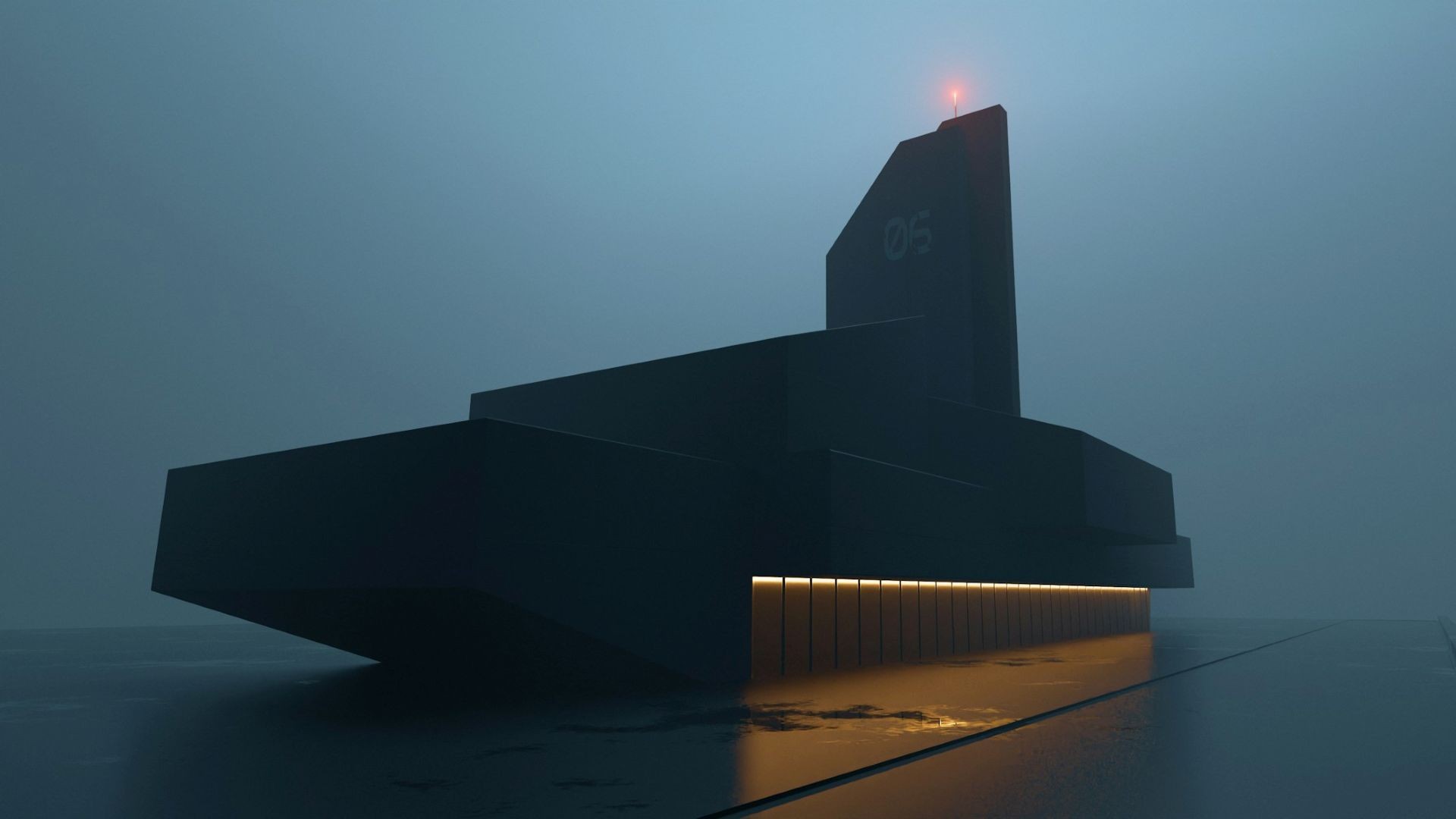
The most obvious contribution of digital artistry is world building. Blockbusters routinely transport viewers across remote planetary systems, prehistoric jungles, or alternate timelines. Achieving this scale requires the integration of diverse visual disciplines working in seamless harmony.
At our core, we approach complex world building as a unified creative pipeline. Our team combines 3D animation production with photorealistic matte paintings, volumetric atmospheric generation, and comprehensive physical asset texturing. This multi disciplinary approach ensures that every digital asset exhibits realistic weight, accurate material reflectivity, and believable environmental wear and tear.
Consider how a futuristic sci fi metropolis comes to life on the screen. It is never sufficient to render uniform architectural monoliths. The environment demands intricate layers of believable infrastructure, including structural scaffolding, glowing neon signage, airborne transportation conduits, and dynamic atmospheric haze. By applying sophisticated animation styles, artists can breathe distinctive identity into digital elements, balancing sleek corporate high rises with gritty industrial streetscapes.
Furthermore, stylized stories frequently combine elements of classic 2D animation production alongside three dimensional geometry. This hybrid technique allows creators to present artistic graphic interpretations, surreal dream sequences, or dynamic comic book inspired moments without breaking audience immersion.
The Alchemy of Motion and Impact
Modern action cinema owes its pacing and dynamic momentum to the art of seamless digital composition. In previous eras, action scenes were bound to the physical speed of mechanical rigs, stunt performers, and fixed cameras. Today, digital choreography unlocks unprecedented dynamism.
Filmmakers can execute intricate, continuous one shot takes that transition seamlessly from wide landscape vistas directly into intimate character close ups. Digital stitching allows editors to combine multiple performances captured days apart into a single, kinetic sequence. Stunt performers can execute daring athletic feats in controlled studio environments, secure in the knowledge that digital artists will paint away safety harnesses, replace safety pads with period accurate costumes, and composite dangerous fire or traffic hazards into the background.
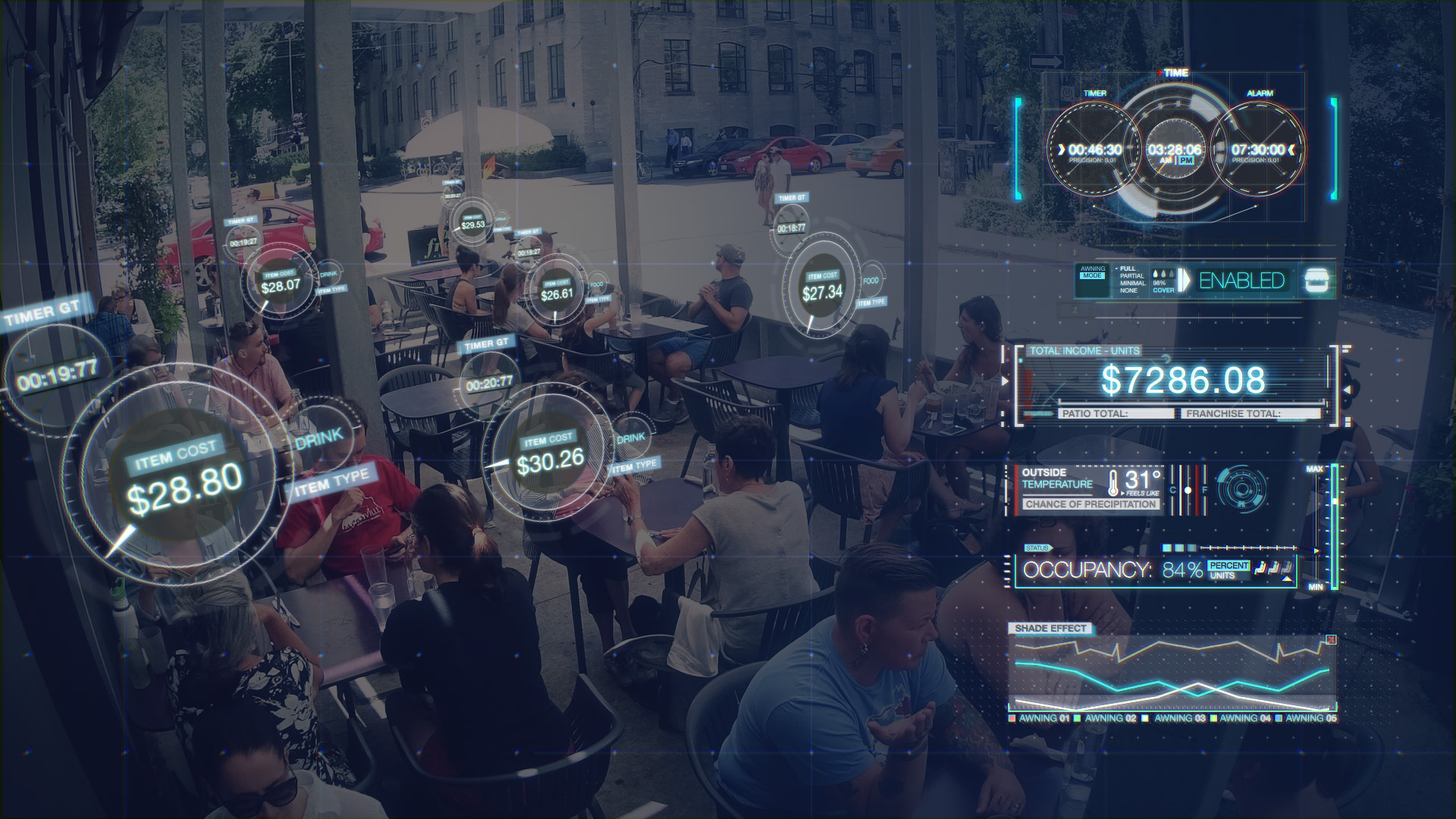
This precise synthesis of physical performance and digital artistry creates a kinetic resonance that thrills viewers. In modern commercial campaigns and television productions, snappy pacing is equally essential. Our studio frequently deploys vibrant motion graphics production to enhance title sequences, dynamic user interfaces, and holographic computer displays that characters interact with during intense sci fi conflicts. These visual layers grant fictional universes depth, clarifying narrative plot points while sustaining high energy pacing.
Invisible Artistry and Photorealistic Integration
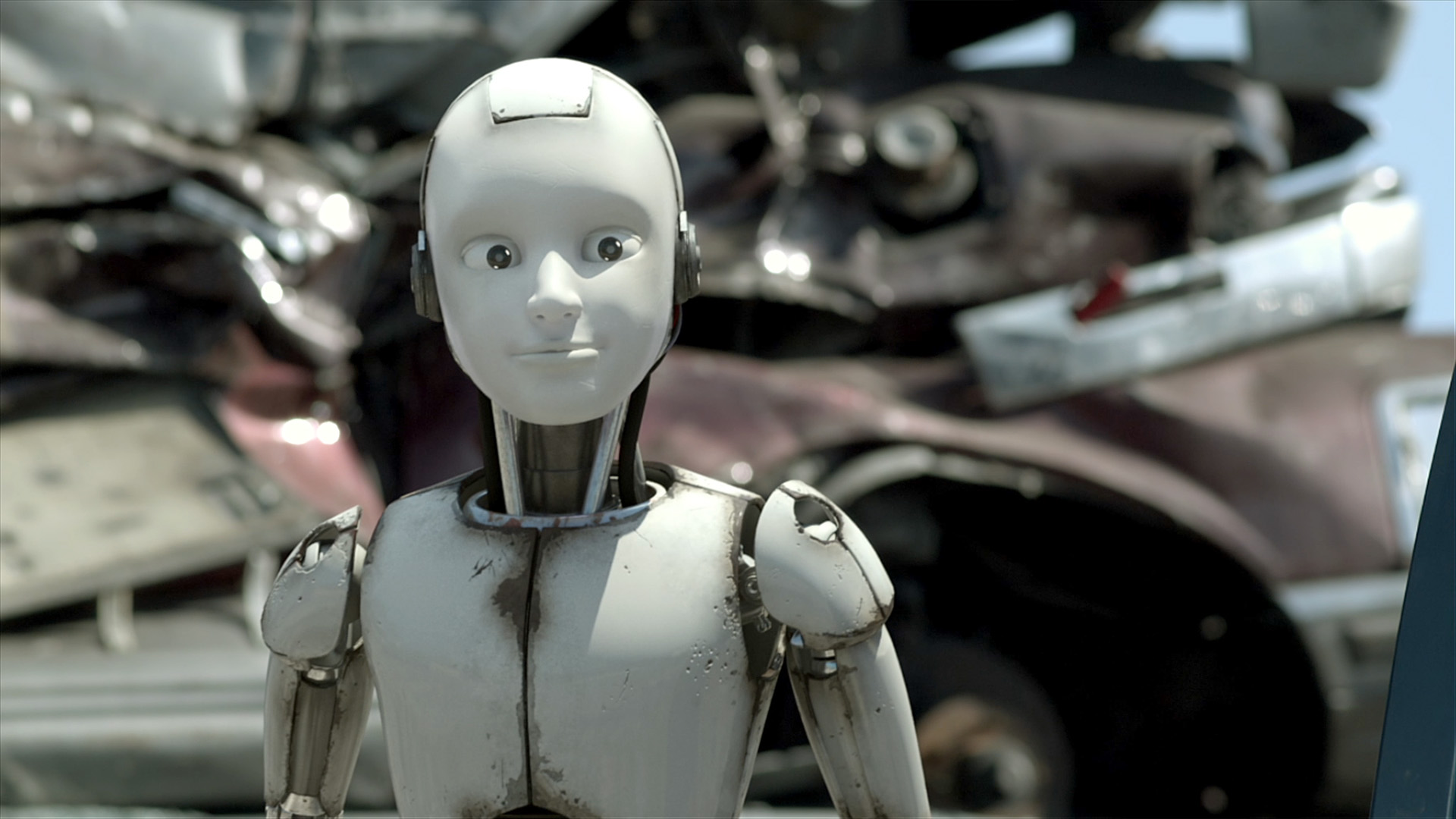
While dazzling explosions and fantastical alien beasts readily capture public attention, an enormous portion of visual effects production is intentionally designed to go completely unnoticed by viewers. Invisible artistry forms the foundation of contemporary dramatic storytelling.
Directors frequently shoot on minimalist soundstages surrounded by green or blue cycloramas. Digital artists then reconstruct accurate period streetscapes, lush pastoral valleys, or intricate historical architectural complexes. This approach bypasses unpredictable exterior weather conditions, eliminates loud ambient street noises, and slashes expensive location travel budgets.
Key invisible tasks include the following:
- Digital crowd generation, filling massive stadium seating or sprawling historical battlefields with hundreds of unique, individually animated characters.
- Digital cosmetic touchups, removing modern structural intrusions such as utility lines, fire hydrants, and air conditioning vents from historical period pieces.
- Digital weather control, adding natural falling snow, heavy driving rain, drifting ground fog, or gentle falling autumn leaves to match the emotional tone of a scene.
- Digital set extension, converting modest interior practical wall builds into sprawling palatial halls or cavernous subterranean chambers.
When executing these delicate alterations, attention to detail is paramount. The virtual lighting must match the set lights down to exact color temperatures, shadow soft focus falls, and lens aberration characteristics. When completed with absolute mastery, the audience remains blissfully unaware that any digital intervention occurred, allowing raw emotional performances to take center stage.
Demystifying the Production Pipeline
High end screen magic never happens by accident. Delivering world class imagery on tight production deadlines requires a structured, dependable creative methodology. At Hatch Studios, we have spent decades perfecting our proprietary animation process, turning complex conceptual briefs into finished visual spectacles.
A standard cinematic pipeline follows clear sequential phases:
Concept Art and Previsualization
Before any digital camera moves, artists draft detailed concept paintings, storyboards, and digital previsualizations. Previsualization acts as a digital animatic, allowing directors to explore camera focal lengths, blocking, lens choices, and scene pacing inside a virtual playground. This stage saves hundreds of production hours on physical sets by identifying potential visual bottlenecks before expensive photography begins.
Asset Creation and Modeling
Once the aesthetic direction is locked, modelers construct three dimensional polygonal wireframes for every character, vehicle, weapon, and building. Texture artists hand paint surface details, adding realistic smudges, scratches, rust, and fabric weaves. Riggers then construct internal digital skeletons complete with inverse kinematics, allowing animators to pose and manipulate biological forms with fluid anatomy.
Animation and Simulation
Animators bring static digital models to life. Character movements must communicate weight, momentum, and internal emotion. Concurrently, technical directors run intensive mathematical simulations for soft body dynamics, including flowing hair, billowing cloth garments, liquid splashes, smoke simulations, and explosive pyrotechnic bursts.
Lighting and Shading
Lighting artists place digital lights within the virtual scene to replicate the exact lighting configuration established on the physical shooting stage. Material shaders define how each surface responds to photons, differentiating the dry matte finish of concrete from the glossy sheen of polished chrome or wet asphalt.
Compositing and Final Color Finishing
Compositing artists assemble all rendered passes, live action plates, matte paintings, and particle layers into a unified final image. They carefully match camera grain, lens flares, depth of field blur, and chromatic aberrations. Through our wide suite of animation services, we ensure that every shot leaves our studio with pristine visual polish, ready for premier exhibition.
Cross Industry Innovation
The groundbreaking advancements pioneered for silver screen blockbusters now energize a wide spectrum of modern media. Today, brands, institutions, and creative enterprises leverage cinematic production techniques to captivate audiences across diverse distribution channels.
At Hatch Studios, we deliver high tier visual solutions across multiple commercial fields. You can explore our extensive experience across varied sectors on our animation industries page. The very same pipeline developed for high budget features empowers corporations to engage consumers through compelling visual narratives.
For enterprise clients, corporate video production often incorporates sophisticated digital artistry to illustrate complex corporate infrastructure, showcase international logistics, or visualize financial models. Similarly, explainer video production breaks down intricate abstract mechanisms, software systems, or medical procedures into accessible visual narratives that engage audiences directly.
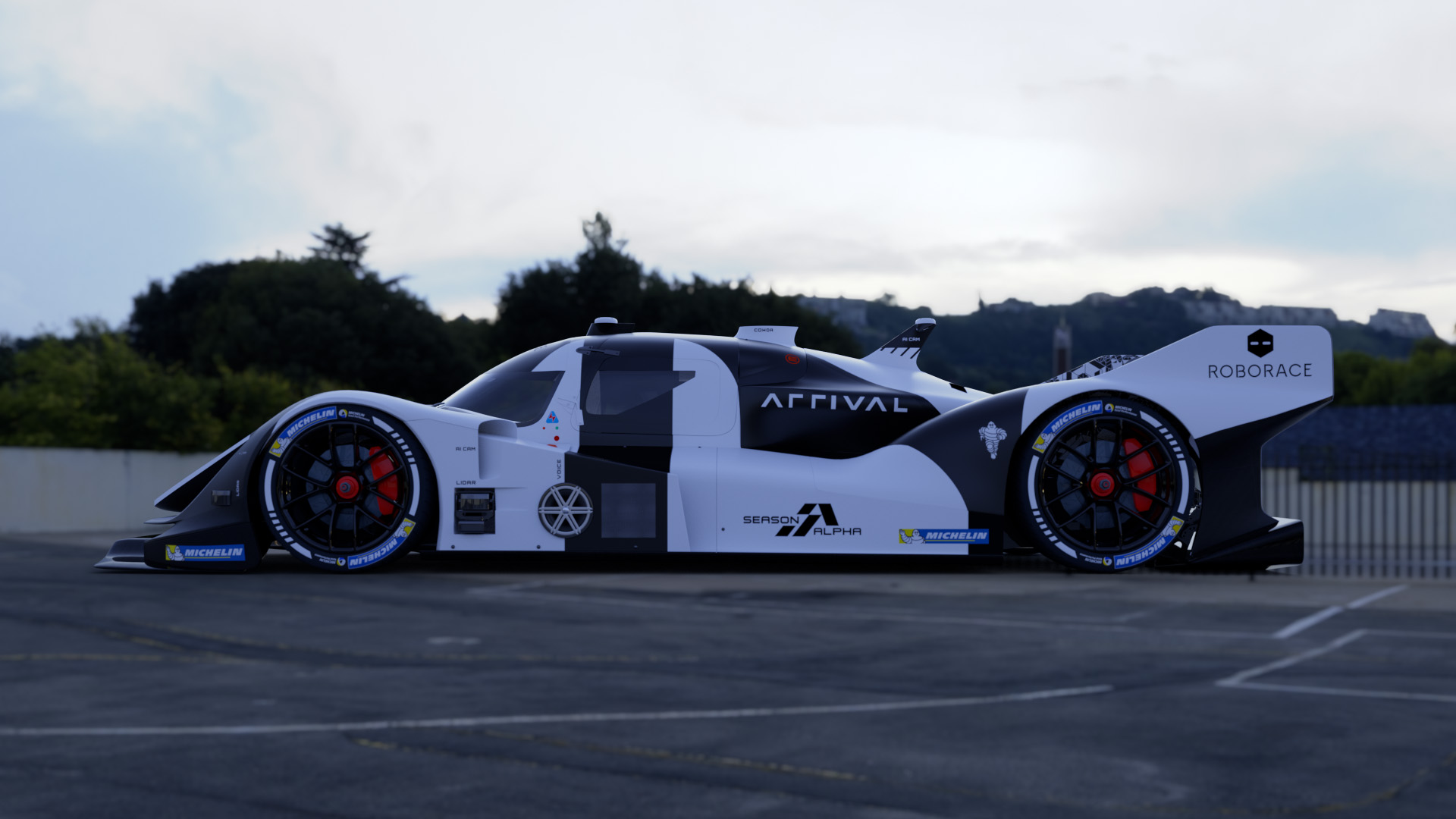
Consumer facing brands rely on marketing video production to produce dynamic commercial spots that rival Hollywood action sequences in production value. Through precision product video production, we render consumer goods, luxury timepieces, and automotive bodies with photorealistic fidelity, allowing virtual cameras to orbit physical objects with impossible fluidity. Even specialized internal workflows, such as training video production, harness three dimensional demonstrations to train technicians safely on hazardous industrial equipment. Finally, establishing memorable brand equity often begins with iconic 3D logo production, transforming flat brand iconography into dynamic three dimensional emblems.
Navigating the Future of Digital Artistry
The landscape of modern cinematic production stands on the precipice of another transformative era. Emerging technological paradigms are continually shaking up established workflows, offering exciting possibilities for creators across the globe.
Real time rendering engines, originally developed for interactive video games, are now powering virtual production stages. By surrounding physical actors with massive, perspective tracked LED volumes, directors can capture final digital backdrops live in camera. This breakthrough eliminates green screen spill, grants actors genuine environmental lighting, and allows cinematographers to make lighting decisions interactively on set.
Moreover, machine learning algorithms and neural rendering techniques are drastically accelerating repetitive production tasks. Automated rotoscoping, intelligent denoising, and algorithmic asset generation free digital artists from mechanical drudgery, allowing them to dedicate more time to emotional nuance, visual balance, and storytelling rhythm.
For modern directors, finding the right creative partner to navigate this technical maze is vital. Comprehensive vfx for filmmakers must combine technological prowess with a profound respect for story, character, and pacing. Delivering a compelling cinematic journey means deploying digital tools thoughtfully, ensuring technology amplifies human connection rather than overshadowing it.
Crafting Magic with Hatch Studios
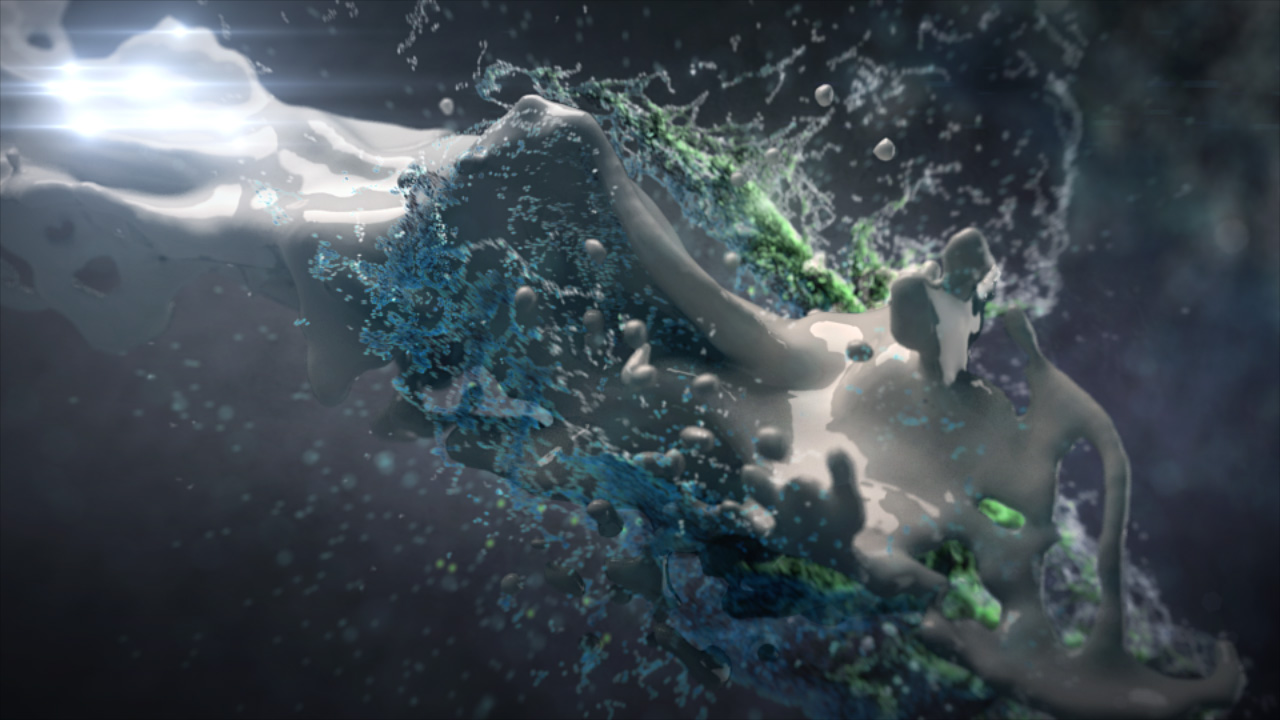
For decades, Hatch Studios has remained committed to advancing the boundaries of digital artistry. Our dedicated team of artists, technical directors, animators, and designers possesses a deep passion for compelling storytelling and visual perfection. We collaborate closely with creative teams, brand managers, and independent directors to transform ambitious creative concepts into breathtaking reality.
Whether engineering expansive alien environments, compositing high impact action sequences, or delivering polished commercial spots, our artists infuse every frame with cinematic dedication. We understand the delicate balance between technical complexity and emotional resonance. The ultimate measure of success is an audience that is completely lost in the magic of the screen.
If you are curious to see our legacy of craftsmanship across feature work, commercial campaigns, and stylized shorts, browse our extensive portfolio on our work page. For continuing educational insights into the evolution of digital artistry, check out our informative articles on our blog. When you are ready to embark on your next creative journey, connect directly with our creative team through our contact page and discover how our decades of visual expertise can bring your vision to life.
As modern filmmaking continues to explore uncharted creative frontiers, the art of digital storytelling stands ready to fulfill every director’s dream. Through technical innovation, disciplined production practices, and boundless human imagination, visual effects will continue to transform the cinematic art form, delivering awe inspiring spectacles for generations to come.
FAQ
How does visual effects production transform modern filmmaking?
Visual effects production gives filmmakers greater creative freedom by creating realistic digital environments, enhancing action sequences, and bringing impossible worlds to life. It also helps strengthen storytelling, increase audience immersion, and deliver cinematic experiences that would be difficult or unsafe to achieve using practical methods alone.
What is the difference between visible and invisible visual effects?
Visible visual effects include elements such as digital creatures, explosions, and futuristic environments. Invisible visual effects involve subtle enhancements, including removing unwanted objects, adding digital crowds or weather, and extending physical sets. Both approaches help filmmakers create convincing scenes while supporting the story.
What are the main stages of a visual effects production pipeline?
A typical visual effects pipeline includes concept art and previsualization, asset creation and modeling, animation and simulation, lighting and shading, and compositing with final color finishing. Each stage builds on the previous one to produce polished imagery that integrates seamlessly with live-action footage or other digital elements.
How are visual effects used outside of feature films?
Visual effects techniques are also used in commercials, corporate videos, product demonstrations, explainer videos, training content, and 3D logo animations. These applications help businesses communicate complex ideas, showcase products realistically, create engaging marketing campaigns, and demonstrate potentially hazardous procedures in a controlled digital environment.
What emerging technologies are shaping the future of visual effects?
Real-time rendering, virtual production using perspective-tracked LED volumes, and machine learning are transforming visual effects workflows. These technologies can accelerate repetitive tasks, improve on-set lighting integration, and give filmmakers more opportunities to make creative decisions while maintaining a strong focus on storytelling.