
3D Product Animation vs. Live-Action Video: Which Is Right for Your Product?

When you are getting ready to launch a new product or revamp your brand marketing, one critical decision always pops up early in the creative planning stage. Should you hire a film crew and shoot a real camera commercial, or should you build a digital model and render the whole thing digitally? Choosing between 3D animation vs live action is one of the most common debates marketers and brand managers face today. Both mediums have immense power to captivate an audience, build brand loyalty, and drive conversions, but they achieve those goals through entirely different production workflows.
Getting your visual presentation right makes all the difference in modern digital marketing. A dull video gets skipped in seconds, while an immersive, dynamic presentation turns curious scrollers into enthusiastic buyers. Whether you are selling sleek consumer electronics, complex industrial machinery, or everyday packaged goods, picking the right visual medium ensures your marketing dollars work as hard as possible. Let us break down how each approach works, compare their strengths and weaknesses, and figure out exactly which path makes the most sense for your brand.
The Power of Visual Storytelling in Product Marketing
Video has become the undisputed king of digital engagement across social feeds, landing pages, and broadcast campaigns. Consumers want to see how things look, how they work, and what makes them unique before they even consider reaching for their wallets.
A well-crafted video does far more than just show off physical dimensions. It builds an emotional bridge between your brand and your customer. It demonstrates practical value, answers technical questions before they can become sales objections, and elevates your overall market positioning. Because visual content represents your company at such a crucial moment in the buyer journey, investing in tailored product video production is essential to making a memorable impression.
Choosing the right format is not just an artistic decision. It directly impacts your budget, your production timeline, and your ability to update visual assets down the road.
What Is 3D Product Animation?
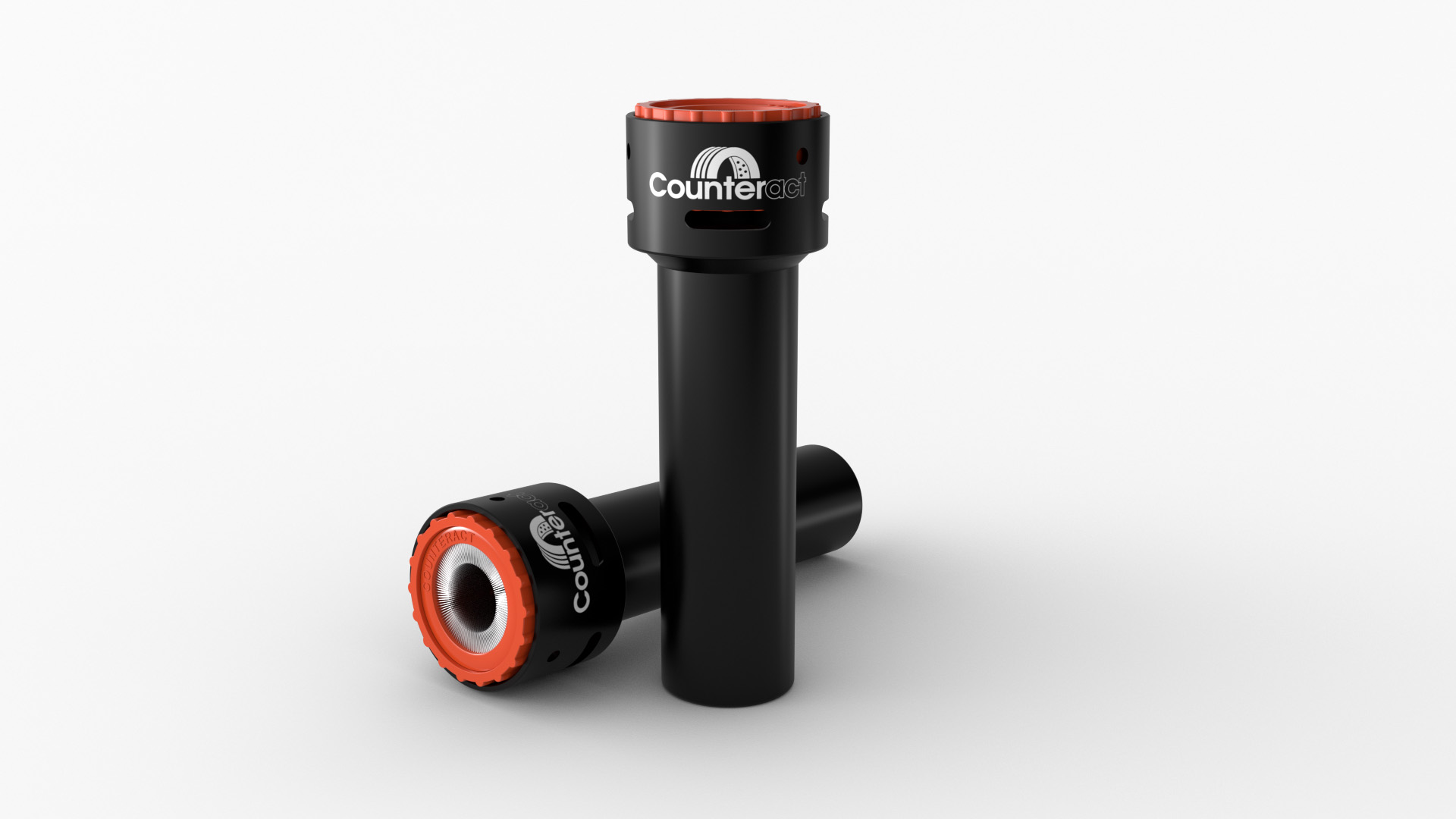
At its core, 3D animation involves creating a completely digital, three-dimensional digital twin of your physical asset using computer graphics software. We build the geometry from scratch or import your existing CAD engineering files, texture every surface with lifelike materials, set up virtual lights, and choreograph fluid camera moves.
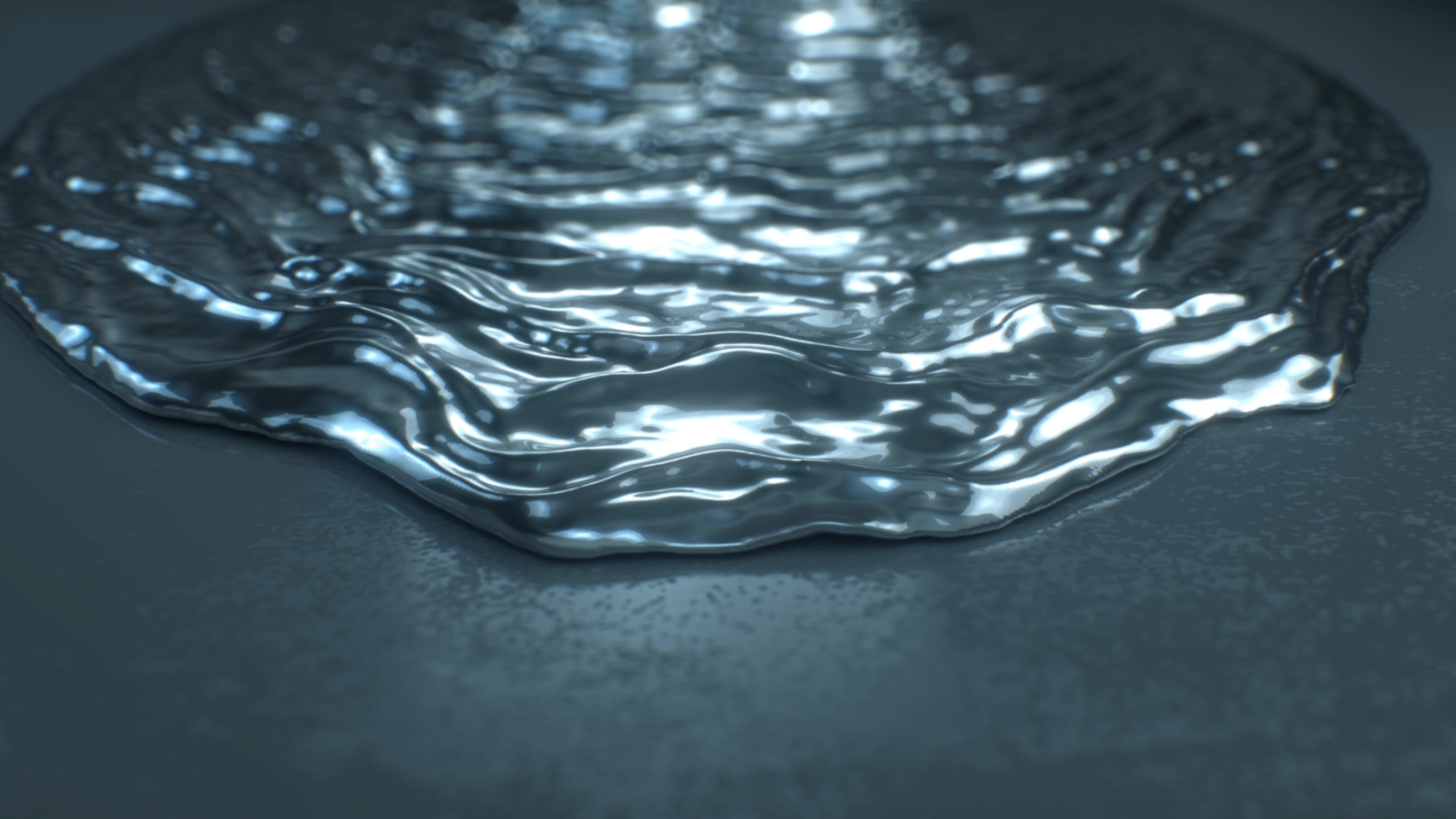
Because the entire environment exists inside a digital workspace, there are zero physical restrictions. You can fly a virtual camera straight through an engine block, show microscopic internal components working in sync, simulate water flowing through internal valves, or peel away outer casings with elegant cutaway views. Advanced 3D product visualization allows you to reveal internal mechanisms and complex engineering that no physical camera lens could ever capture in the real world.
For brands with complex value propositions, high precision manufacturing, or cutting edge designs, 3D models give you absolute creative freedom from start to finish.
The Major Advantages of 3D Product Animation
There is a reason why top global brands rely so heavily on CGI for their flagship announcements. Here is why going digital often delivers an unbeatable competitive edge.
1. Unmatched Creative Freedom and Visual Flexibility
In a digital world, gravity, weather, and physical space do not dictate what you can accomplish. You can float your product in a weightless zero-gravity void, launch it through a futuristic neon cityscape, or showcase it resting on an iceberg. If you want an exploded view where fifty tiny screws, circuit boards, and custom chips drift apart in mid-air to showcase internal craftsmanship, digital animation makes it effortless.
2. Market Your Product Before Manufacturing Begins
One of the most frustrating bottlenecks in marketing is waiting for physical factory prototypes to roll off the assembly line. By utilizing raw engineering data and CAD files, our team can begin product animation long before your first physical unit is built. This lets you launch crowdfunding campaigns, secure early wholesale pre-orders, and build strong consumer anticipation months ahead of delivery.
3. Absolute Visual Perfection
Real-world physical filming comes with countless tiny flaws. Studio lights catch microscopic dust particles, glossy finishes pick up accidental fingerprints, and delicate prototype paint jobs can scuff during handling. With digital rendering, every reflection, surface sheen, bevel edge, and lighting bounce is tuned to absolute perfection.
4. Seamless Long-Term Updates and Asset Reusability
What happens when your engineering team updates the color options, swaps out a port, or refreshes the logo six months after launch? With traditional film, you would have to book another expensive shoot day. With computer animation, we simply reopen the project file, swap the textures or geometry, and re-render. This flexibility makes digital rendering an incredible long-term investment for evolving product lines.
5. Effortless Visual Effects and Dynamic Action
If your campaign calls for glowing data streams, microscopic fluid simulations, or high-energy transitions, integrating those elements natively inside the 3D pipeline is smooth and natural. Exploring dedicated visual effects production allows you to transform standard technical specs into an unforgettable cinematic experience.
Are There Any Downsides to 3D Animation?

While the benefits are massive, digital animation does have a few unique considerations to keep in mind.
- Detailed Development Timelines: High-end CGI is an intricate art form. It requires careful modeling, texturing, rigging, lighting, animation, and multi-layer rendering. It is not an overnight process, though our streamlined animation process ensures clear milestones and steady momentum every step of the way.
- Initial Production Investment: Crafting top-tier photorealistic assets requires specialized software, powerful rendering hardware, and seasoned digital artists. While the upfront investment is comparable to a full commercial film crew, the long-term reusability of the digital assets provides exceptional value over time.
- Abstract Human Performance: While photorealistic products and environments are seamless, creating believable digital humans with subtle emotional nuance is one of the hardest challenges in computer graphics. When deep human emotional connection is the core focus, live performers are often the preferred route.
What Is Live-Action Product Video?
Live-action video relies on real cameras, physical film sets, lighting crews, and human actors interacting with physical goods. It is the classic medium of traditional television commercials, unboxing videos, and lifestyle reels.
A well-executed live-action product video excels at capturing genuine, relatable human moments. It shows real people unboxing a package, slipping on a backpack, testing a sports watch during a morning run, or smiling as they use a kitchen gadget with their family.
The Advantages of Live-Action Video
Live filming brings distinct benefits that make it an attractive option for specific types of marketing campaigns.
- Authentic Human Connection: Nothing replaces the immediate warmth of real facial expressions, body language, and spontaneous human interaction. For lifestyle brands, seeing a real person enjoy an item creates relatable social proof.
- Fast Turnarounds for Simple Concepts: If you already have physical samples in hand and simply need a creator talking to a camera or a quick hands-on demonstration, live shoots can often be scheduled, captured, and edited relatively quickly.
- Tangible Real-World Context: Showing your item sitting on an everyday kitchen counter, resting in a car cup holder, or fitting inside a jacket pocket instantly communicates scale, usability, and real-world context to viewers.
The Drawbacks of Live-Action Production
Despite its familiarity, physical filming brings several logistical hurdles and hidden costs that can complicate your project.
- Heavy Logistics and Unpredictable Costs: A physical shoot requires renting studio space or scouting permits, hiring a director, camera crew, gaffer, hair and makeup artists, and booking talent. Travel expenses, location fees, catering, and equipment rentals can add up fast.
- Zero Control Over External Factors: Bad weather can ruin an outdoor shoot day, physical prototypes can break on set, and shipping delays can stall the entire production schedule.
- Physical Limitations: Cameras cannot fly inside sealed electronics, show invisible wireless signals, or peel away complex metal housings. You can only film what exists on the outside.
- Expensive Reshoots: If your packaging design changes or an actor needs to be replaced later, you cannot simply tweak a slider. You must re-book the entire crew and location, resulting in substantial extra expenses.
Comparing 3D Product Animation vs Live Action: Key Decision Factors
When evaluating 3D product animation vs live action, the best choice depends on your specific goals, your product type, and how you plan to distribute your media.
| Decision Factor | 3D Product Animation | Live-Action Video |
| Internal & Hidden Features | Flawless cutaways, X-ray views, exploded assemblies | Limited to external surfaces and manual disassembly |
| Prototype Availability | Can begin immediately using digital CAD files | Requires fully functional physical samples |
| Environmental Control | Total control over infinite virtual worlds | Dependent on physical locations and weather |
| Human Emotion & Lifestyle | Stylized or secondary to the product | Immediate, natural, and highly relatable |
| Future Modifications | Fast, modular digital updates | Costly physical reshoots required |
| Visual Perfection | Absolute control over every reflection and material | Subject to physical surface flaws and lighting artifacts |
When to Choose 3D Product Animation
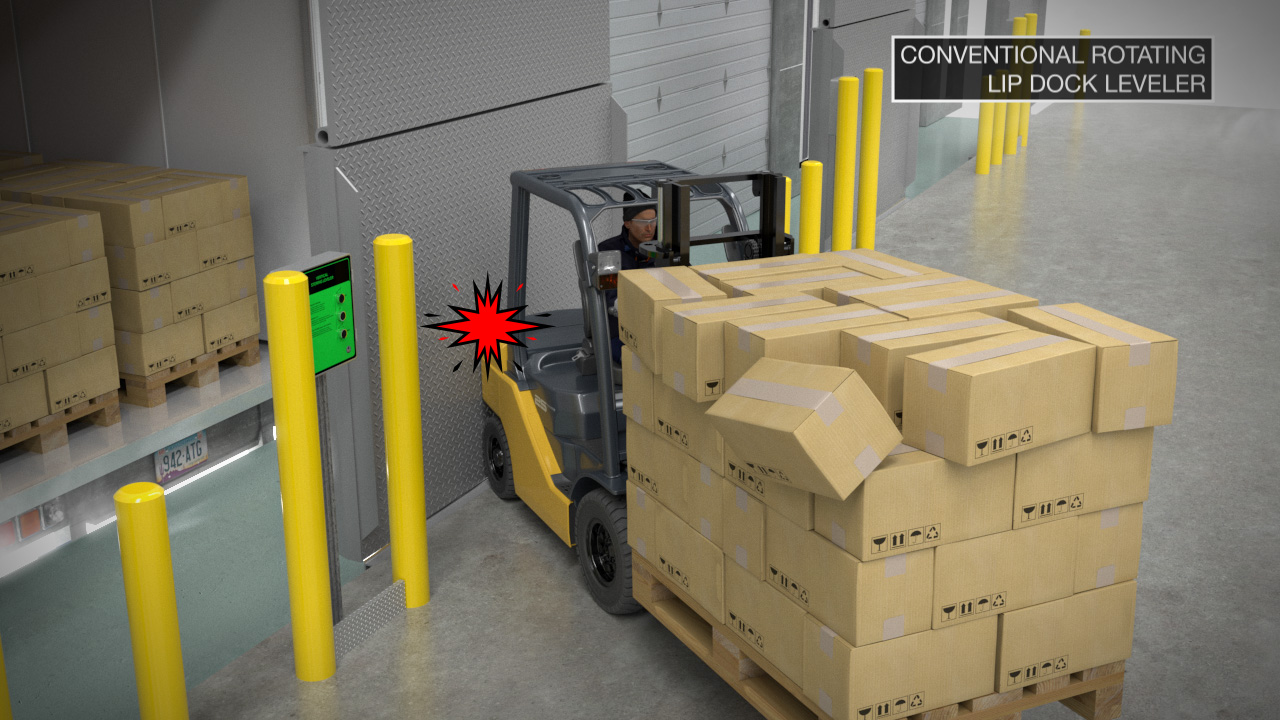
Digital rendering is the clear winner when you need to highlight what makes your engineering truly remarkable. You should choose product animation videos when:
- Your product features intricate internal mechanics, microchips, hidden sensors, or complex fluid systems.
- You need to launch marketing campaigns, sales decks, or investor presentations before physical units are manufactured.
- You want a high-tech, futuristic, or hyper-stylized aesthetic that commands attention on modern screens.
- You plan on releasing multiple colorways, finishes, or seasonal updates and want a modular asset library.
- You are developing technical demonstrations or explainer video production where clarity and precision are paramount.
From medical devices and industrial equipment to luxury watches, architectural hardware, and sleek consumer technology, digital modeling lets you tell stories that are physically impossible to film with a real camera.
When to Choose Live-Action Video

Physical filming is often the right choice when the human element is the primary selling point. Consider live-action production when:
- You are marketing apparel, cosmetics, or lifestyle accessories where fit, fabric drape, and human application are vital.
- Your marketing strategy relies heavily on user testimonials, on-camera brand ambassadors, or unboxing experiences.
- You are producing corporate video production to highlight company culture, executive interviews, or client success stories.
- Your product is simple to understand at a glance and does not require complex internal demonstrations.
The Hybrid Approach: Merging Both Worlds
Who says you have to pick just one? Many of the most successful advertising campaigns seamlessly blend both techniques into a cohesive, high-impact narrative.
Imagine a commercial that opens with a live actor navigating a busy city street while wearing your headphones. As they tap the ear cup to activate noise cancellation, the camera pushes into the device, dissolving smoothly into a gorgeous 3D cutaway that reveals the internal acoustic drivers, microprocessors, and custom battery architecture.
By combining physical acting with digital rendering, you get the best of both worlds: authentic human connection paired with breathtaking technical clarity.
Decades of Animation Excellence with Hatch Studios
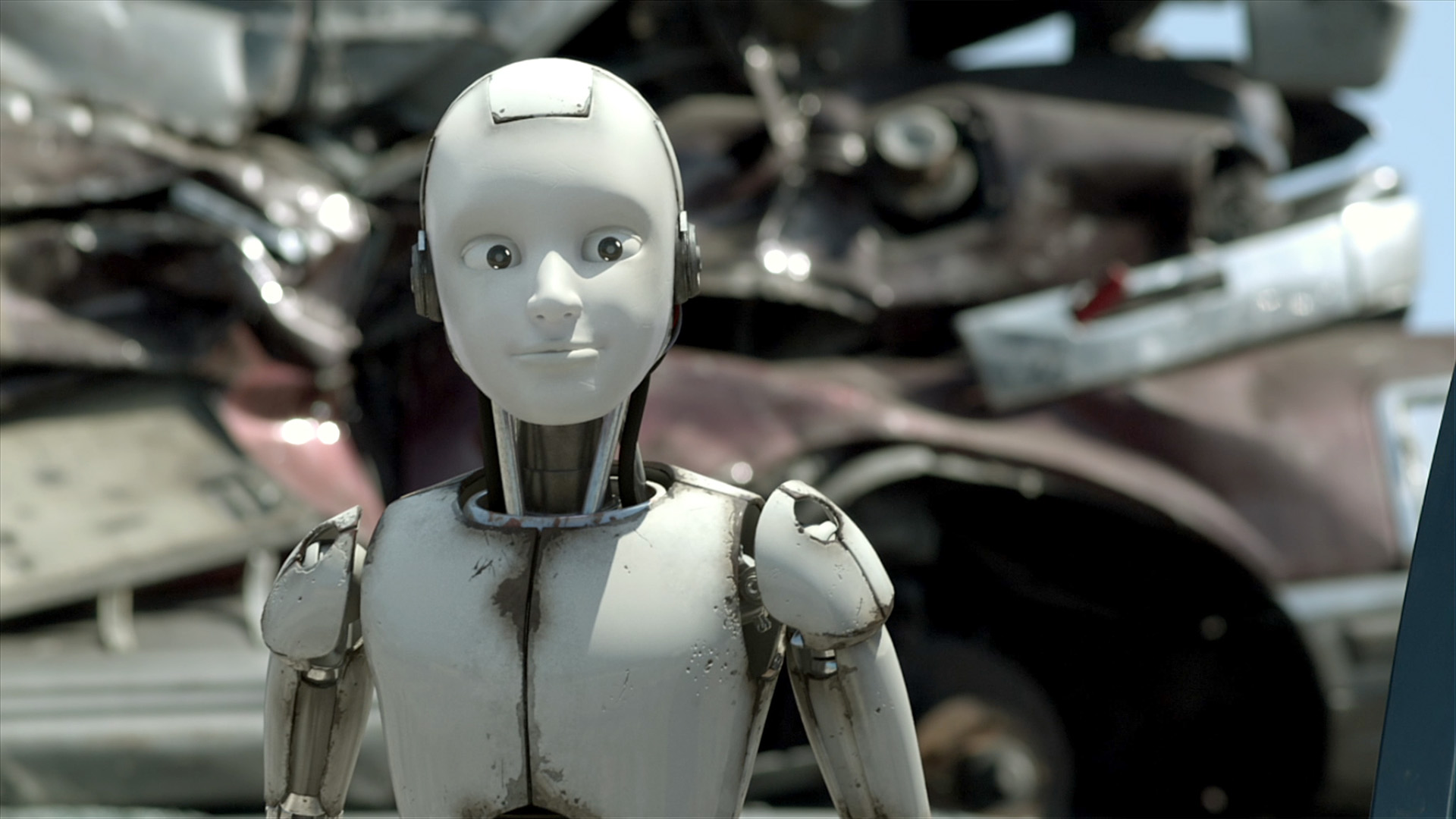
Crafting cinematic, photorealistic visuals requires a deep balance of artistic vision, storytelling instincts, and cutting edge technical mastery. At Hatch Studios, we have been developing high quality animated content, stunning visual effects, and innovative digital experiences for decades.
Our passionate team of artists, animators, and creative directors has partnered with global brands, creative agencies, and ambitious startups across a wide range of animation industries. We understand how to take complex engineering concepts, intricate mechanisms, and abstract ideas, transforming them into clear, engaging visual stories that captivate audiences and drive measurable business results.
Whether you need a full suite of commercial spots, dynamic motion graphics production, an animated brand intro with custom 3D logo production, or detailed training video production for your technical team, we guide you through every phase from early storyboarding to final render.
Take a look through our creative portfolio of recent client work to see how we bring products to life with unmatched realism and artistic energy. You can also explore our about page to learn more about our studio history, or read fresh industry insights and creative guides on our blog.
Making the Final Call for Your Product
When weighing the choice of 3D animation vs live action for your upcoming product launch, think carefully about what your audience needs to see to feel fully confident in their purchase. If your product story relies on deep emotional connection, human lifestyle moments, or real-world unboxing, live-action is a great choice. But if your goal is to highlight cutting edge engineering, reveal hidden innovations, achieve flawless aesthetics, and build reusable digital assets for the future, 3D animation is the ultimate creative solution.
When you look at 3D product animation vs live-action product video side by side, both have an important place in modern marketing. The magic lies in knowing which tool fits your unique vision.
Are you ready to elevate your visual marketing and showcase your product in a whole new light? Get in touch with our team through our contact page today, and let us bring your vision to life with stunning, photorealistic animation.