
Best Visual Effects for Storytelling in Commercial Video Production

Great marketing videos do more than present information. They create a visual experience that helps an audience understand a product, remember a brand, and connect with a message. The best visual effects can play an important role in that process, particularly when they are used to support storytelling rather than simply decorate a video.
In commercial video production, visual effects can transform an ordinary concept into something much more engaging. They can visualize ideas that would otherwise be difficult to film, explain complicated products, create environments that do not exist, and guide the viewer through a story. This is especially true for animated marketing videos, where visual effects can become part of the storytelling language itself.
At Hatch Studios, we have been developing high quality animated explainer videos for decades. Our experience with 2D animation, 3D animation, motion graphics, compositing, and visual effects allows us to build marketing videos where every visual element has a purpose.
What Makes Visual Effects Effective for Storytelling?
Visual effects are most effective when they help communicate an idea.
That may sound obvious, but it is an important distinction. Adding effects simply because they look impressive does not necessarily make a commercial more effective. A complicated transition, particle effect, lens flare, or simulated environment may look great on its own while doing very little to explain the product or move the story forward.
The strongest effects support the message.
For example, an animated marketing video for a technology company might use glowing data streams to show information moving through a system. A medical animation might use visual effects to reveal what happens inside the human body. A product video could use realistic lighting and particle effects to emphasize a new material or manufacturing process.
In each case, the effect visual is serving a purpose. It helps the audience understand something that words alone might struggle to communicate.
3D Environments and Digital Worlds
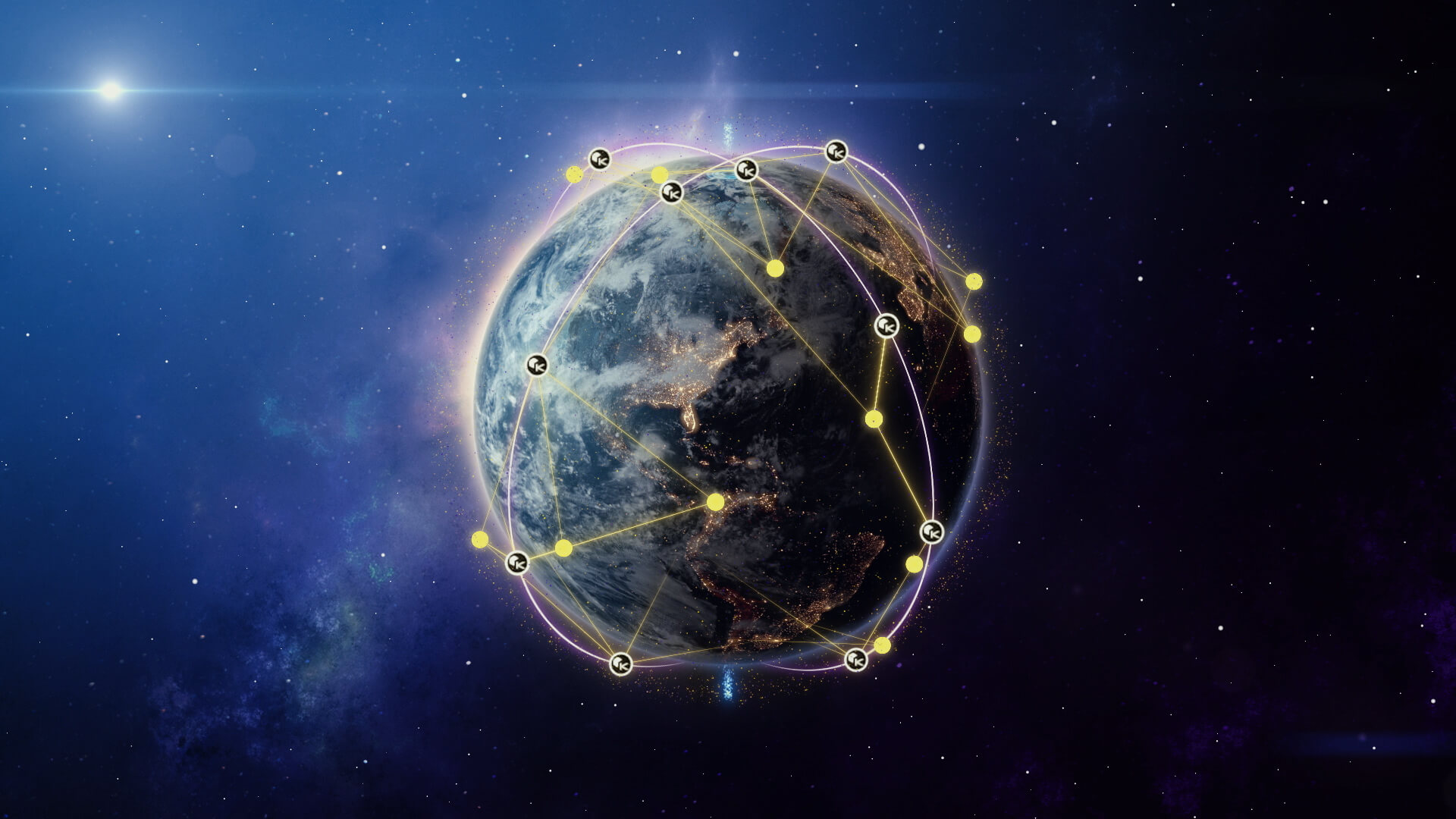
One of the most useful visual effects techniques for animated marketing videos is the creation of complete 3D environments.
A product does not necessarily need to be shown in a conventional setting. A digital environment can be designed specifically around the story and the brand. This might be a futuristic city, a factory, a laboratory, a microscopic environment, a digital landscape, or an entirely abstract world.
3D environments are particularly useful when a company needs to communicate ideas about technology, innovation, manufacturing, engineering, transportation, or science.
At Hatch Studios, our 3D animation production capabilities allow us to build detailed environments around products and concepts. Objects can be modeled, textured, lit, animated, and composited into a complete visual story.
This approach also gives marketers significant creative freedom. Instead of finding a physical location that happens to suit the message, the production team can create exactly the environment the story requires.
Motion Graphics and Animated Typography
Not every visual effect needs to be complex.
Motion graphics can be one of the most effective tools for explaining information quickly. Animated text, icons, diagrams, charts, lines, shapes, and other graphic elements can turn static information into something easier to follow.
For example, a marketing video might introduce three product benefits using animated icons. A financial services company could visualize a complicated process with moving diagrams. A software company could use animated interface elements to demonstrate how its platform works.
Our motion graphics production services can be combined with animation and visual effects to create a consistent visual language throughout a commercial.
Motion graphics are particularly useful because they can simplify complex ideas without making the video feel like a traditional presentation. Movement naturally directs the viewer’s attention, allowing information to appear in a controlled sequence.
Particle Effects
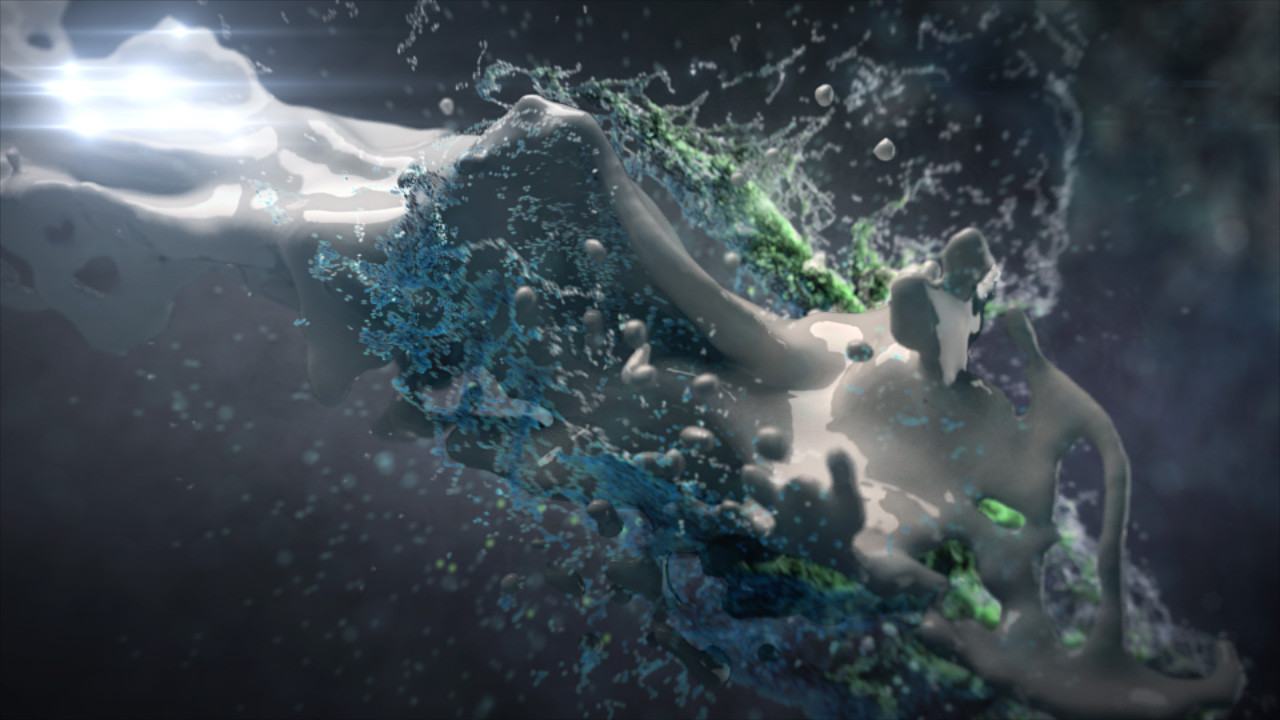
Particle systems are another popular visual effects technique for commercial storytelling.
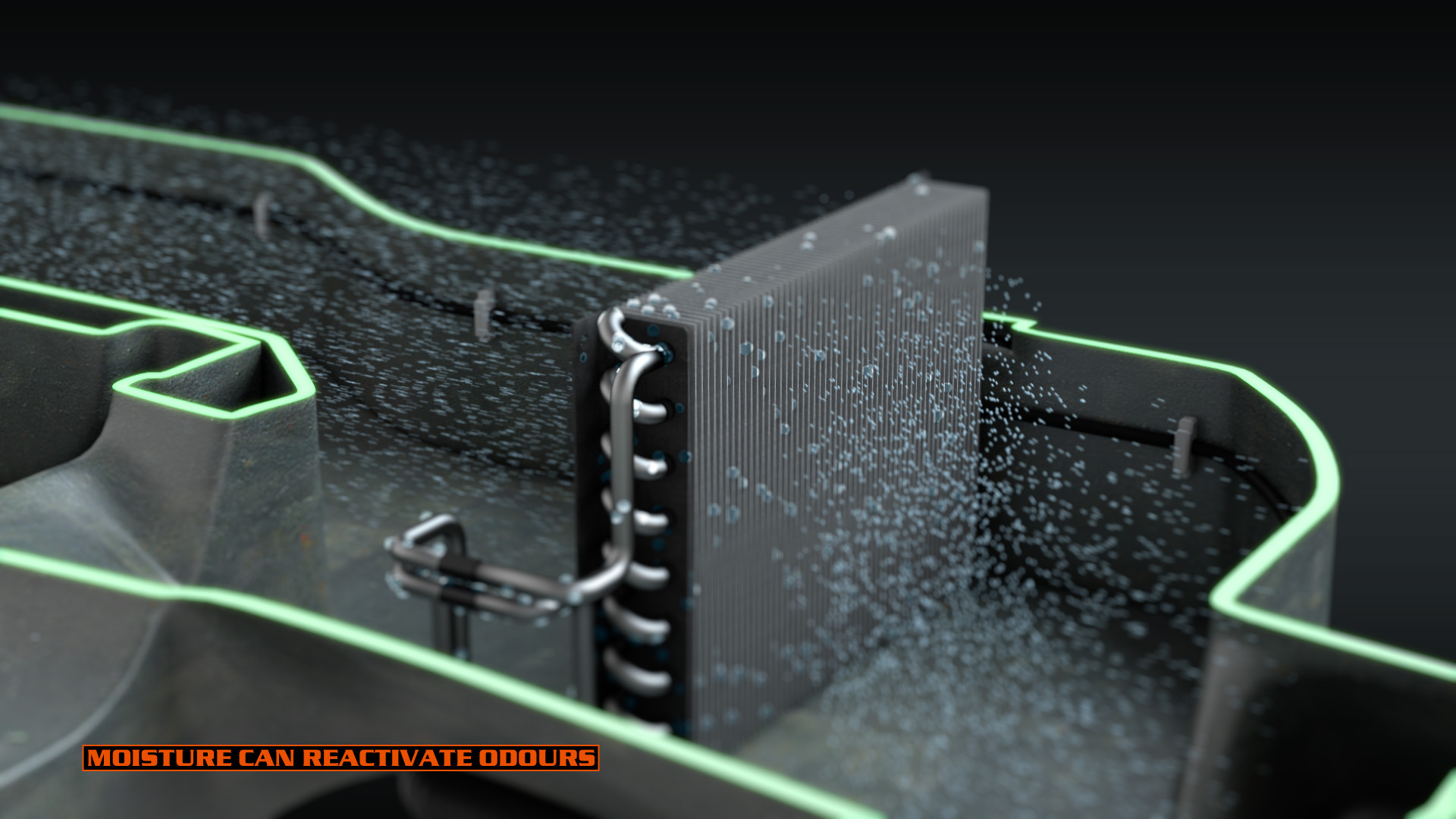
Particles can represent dust, smoke, sparks, energy, light, water, fire, debris, data, or abstract information. They can also be used to create transitions between scenes or to reveal products and logos.
In a technology focused marketing video, particles might form a digital network. In a manufacturing video, they could represent materials moving through a production process. In a product reveal, thousands of small particles could come together to form the finished object.
The important thing is to connect the effect to the concept.
When particles are used thoughtfully, they can communicate movement, transformation, connection, or energy without requiring extensive narration.
Simulations for Physical Processes
Some stories involve physical processes that are difficult, expensive, or impossible to film.
This is where simulations become particularly valuable.
Fluid simulations can show liquids flowing through pipes or interacting with a product. Smoke and fire simulations can demonstrate industrial processes. Cloth and soft body simulations can illustrate materials and physical properties. Destruction effects can visualize structural failure or demonstrate what happens during an impact.
For animated marketing videos, these techniques can turn technical information into something immediately understandable.
Instead of describing how a product behaves, the audience can see it happen.
That visual demonstration can be particularly valuable for companies selling technical products, industrial equipment, medical technologies, engineering solutions, and scientific products.
Lighting and Cinematic Effects
Lighting is often overlooked when people think about visual effects, but it has a major influence on how an audience perceives a scene.
Digital lighting can establish mood, draw attention to a product, create depth, and make an animated object feel more realistic. Reflections can emphasize the shape and material of a product. Shadows can help objects feel grounded within their environment.
A product designed to communicate luxury may benefit from controlled studio lighting and subtle reflections. A technology product may work better with dramatic contrast and illuminated environments. A healthcare animation might use softer lighting to create a clean and reassuring visual atmosphere.
These decisions are not simply technical. They are part of the storytelling.
A skilled visual effects artist understands that lighting can influence how the viewer feels about what is happening on screen. The effect should support the brand personality and the emotional direction of the commercial.
Product Reveals and Transformations
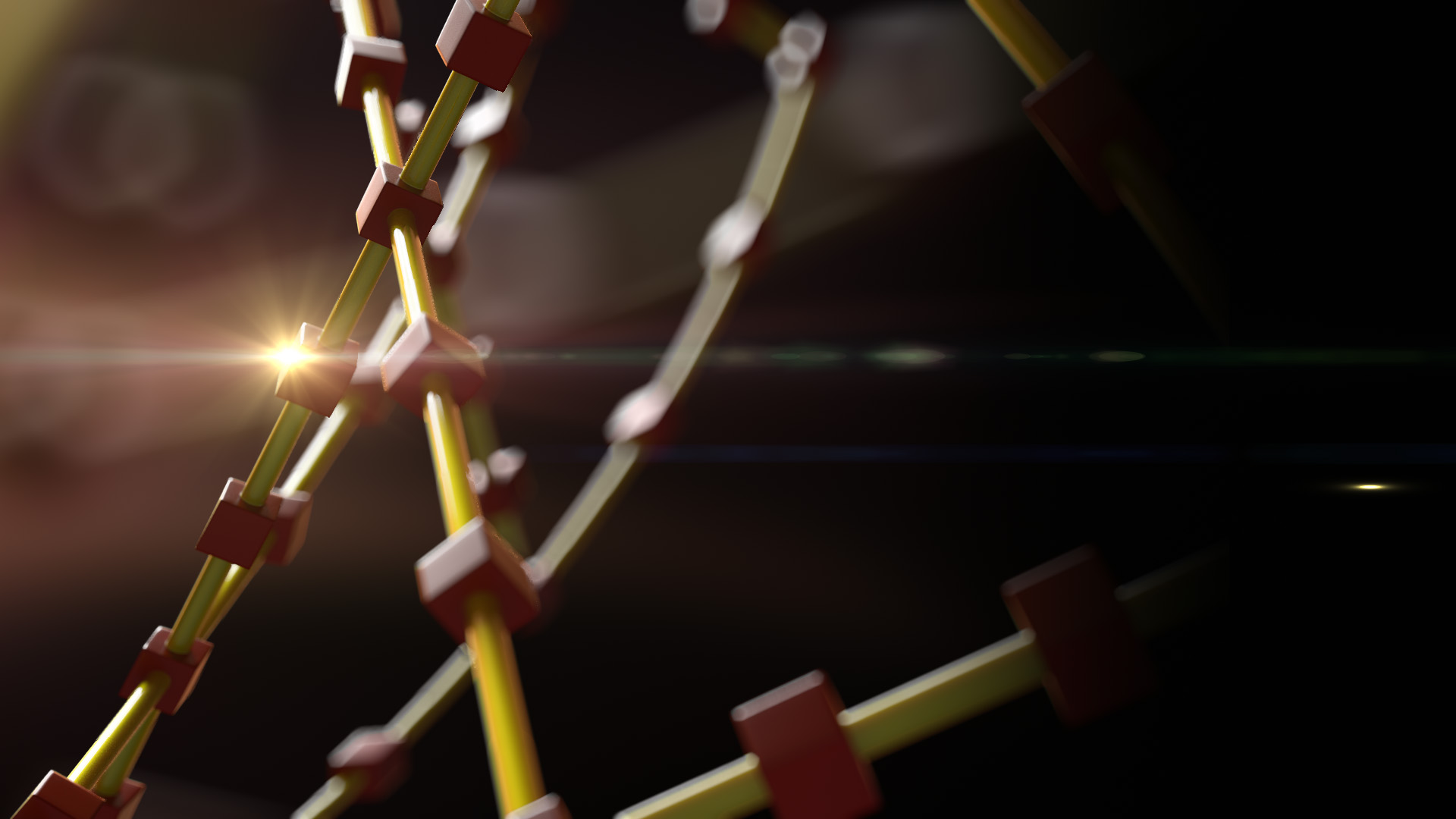
Product reveals are a classic application of visual effects in marketing.
A product can emerge from darkness, assemble itself piece by piece, appear from a cloud of particles, or transform from a simplified graphic into a highly detailed 3D model.
Transformation effects are particularly effective because they give the audience a visual sense of discovery.
For example, a car could transition from a wireframe model into a finished vehicle. A piece of industrial equipment could separate into its individual components before reassembling. A consumer product could rotate through several configurations to demonstrate different features.
These techniques can make even technical information feel cinematic.
At Hatch Studios, we can combine 3D animation, motion graphics, visual effects, and compositing to develop these kinds of product stories. Our product video production services can be tailored to products that need more than conventional photography to communicate their features.
Visual Effects for Medical and Scientific Storytelling
Medical and scientific subjects present a unique challenge for marketers. The concepts can be fascinating, but they are often difficult to photograph or explain using conventional footage.
Animation and visual effects solve much of that problem.
A marketing video can travel inside the human body, visualize microscopic processes, show how a drug interacts with a target, or demonstrate how a medical device functions. Instead of asking viewers to interpret complicated technical descriptions, the production can create a visual representation of the process.
This is one reason visual effects are so useful in healthcare, pharmaceutical, and scientific marketing.
Our broader animation services can incorporate different animation styles and visual techniques depending on the subject matter. We can use realistic 3D imagery when accuracy and detail are important, or simplified 2D animation when accessibility and clarity are the priority.
Compositing and Combining Visual Elements
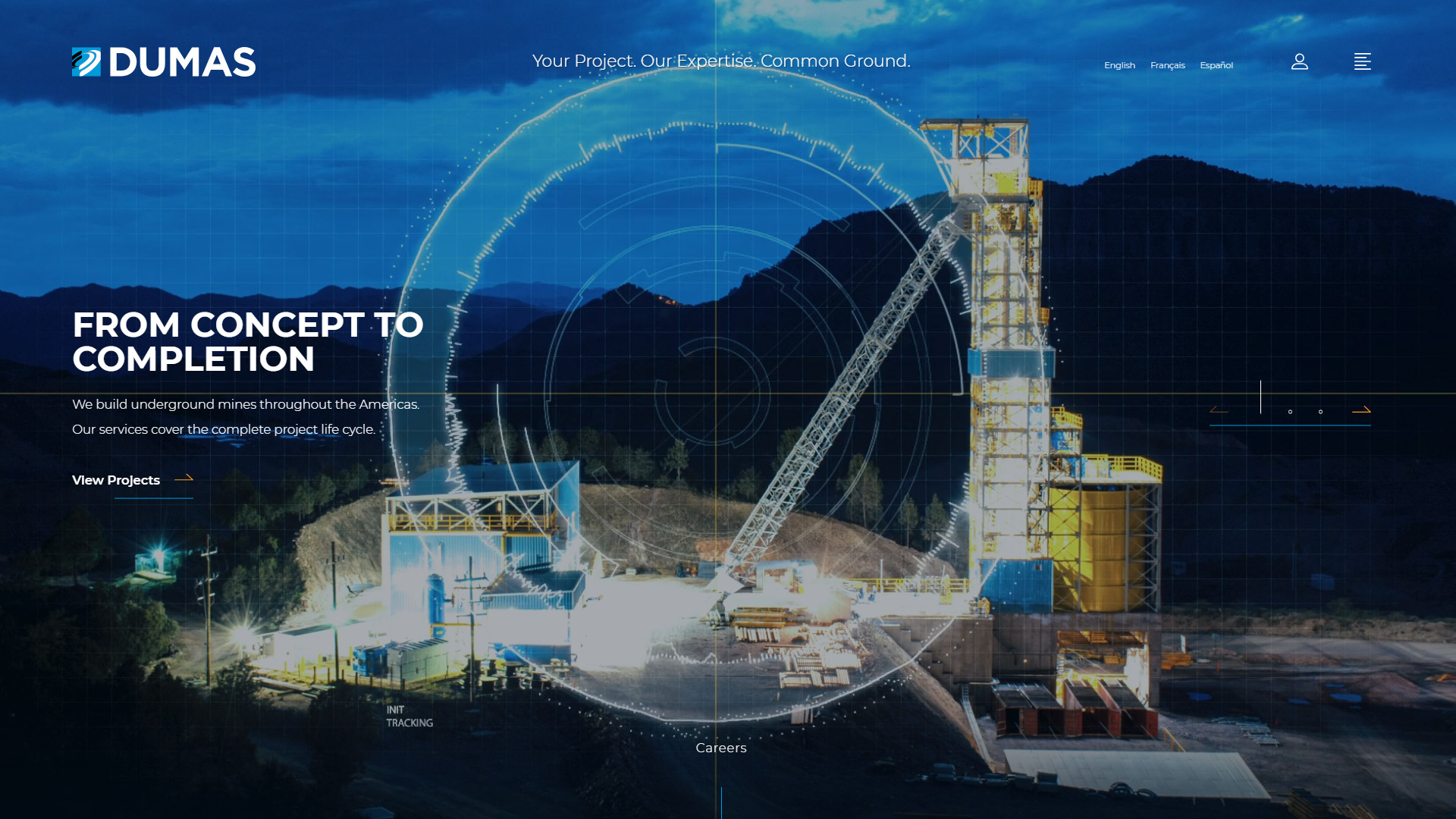
Compositing is one of the fundamental techniques behind professional visual effects.
It involves combining different visual elements into a single finished scene. A production might combine a 3D product, animated graphics, environmental elements, particles, backgrounds, lighting effects, and other components.
The goal is to make everything feel as though it belongs together.
Compositing can also allow an animated marketing video to combine live action with digital animation. A real person might interact with an animated product. A physical environment might be extended with digital elements. A product filmed in a studio might be placed into an entirely different setting.
This flexibility gives commercial producers considerably more creative options.
Transitions That Support the Story
Transitions are another area where visual effects can improve storytelling.
A transition does not have to be a simple cut or fade. An object can move across the frame and reveal the next scene. A camera can travel through a digital environment. One graphic can transform into another. A product can become the visual connection between two separate ideas.
Good transitions make a video feel cohesive.
They can also reinforce the concept of the commercial. A technology company might use data driven transitions. A healthcare brand might use organic shapes and fluid movement. A manufacturing company might transition between scenes using mechanical components.
The best visual effects are often the ones that viewers barely notice because they make the story feel natural.
Should You Use Free Visual Effects?
There are countless free visual effects available online, including stock elements, templates, presets, particles, transitions, and other resources. These can be useful for certain projects, particularly when a production has a limited budget or needs a simple effect.
However, professional commercial video production often requires much more control.
A generic effect may not match the visual identity of a brand. It may not integrate correctly with custom animation. It may also be difficult to modify when the client needs something specific.
Custom visual effects allow the production team to build the effect around the story rather than trying to fit the story around a pre existing asset.
For smaller projects, free visual effects can certainly be part of a production toolkit. For major marketing campaigns, however, custom work can provide greater consistency, flexibility, and creative control.
Choosing the Right Visual Effects Studio
There are many visual effects studios offering different types of production services. The right choice depends on the complexity of the project and the type of visual storytelling required.
Experience is particularly important when a project involves multiple disciplines.
An animated marketing video might require scripting, storyboarding, 2D animation, 3D modeling, motion graphics, visual effects, compositing, sound design, and editing. Having these capabilities coordinated through a single production process can make it easier to maintain consistency from the initial concept through final delivery.
At Hatch Studios, we have decades of experience developing animated content for businesses and organizations. Our animation process takes projects from discovery and planning through scripting, storyboarding, visual development, animation, and final production.
Our explainer video production is particularly suited to companies that need to communicate complicated ideas in a straightforward and engaging way.
Hatch Studios and Animated Explainer Videos
At Hatch Studios, we have been developing high quality animated explainer videos for decades. We understand that an explainer video is not simply a collection of animations and effects. It needs a clear story, strong pacing, appealing visuals, and a message that the audience can understand.
That philosophy influences the way we approach visual effects.
We use effects when they help communicate the idea, emphasize an important moment, establish an environment, or make the story more engaging. Depending on the project, that might involve 2D animation, 3D animation, motion graphics, particle systems, simulations, compositing, or a combination of techniques.
Our 2D animation production capabilities can be particularly effective for straightforward explanatory stories, while 3D production can provide realism and depth for products and technical subjects.
We also provide visual effects production as part of our broader production capabilities, allowing visual effects to be integrated directly into the creative process.
You can explore examples of our work through the Hatch Studios portfolio and learn more about our experience on our about page.
Making Effects Part of the Story
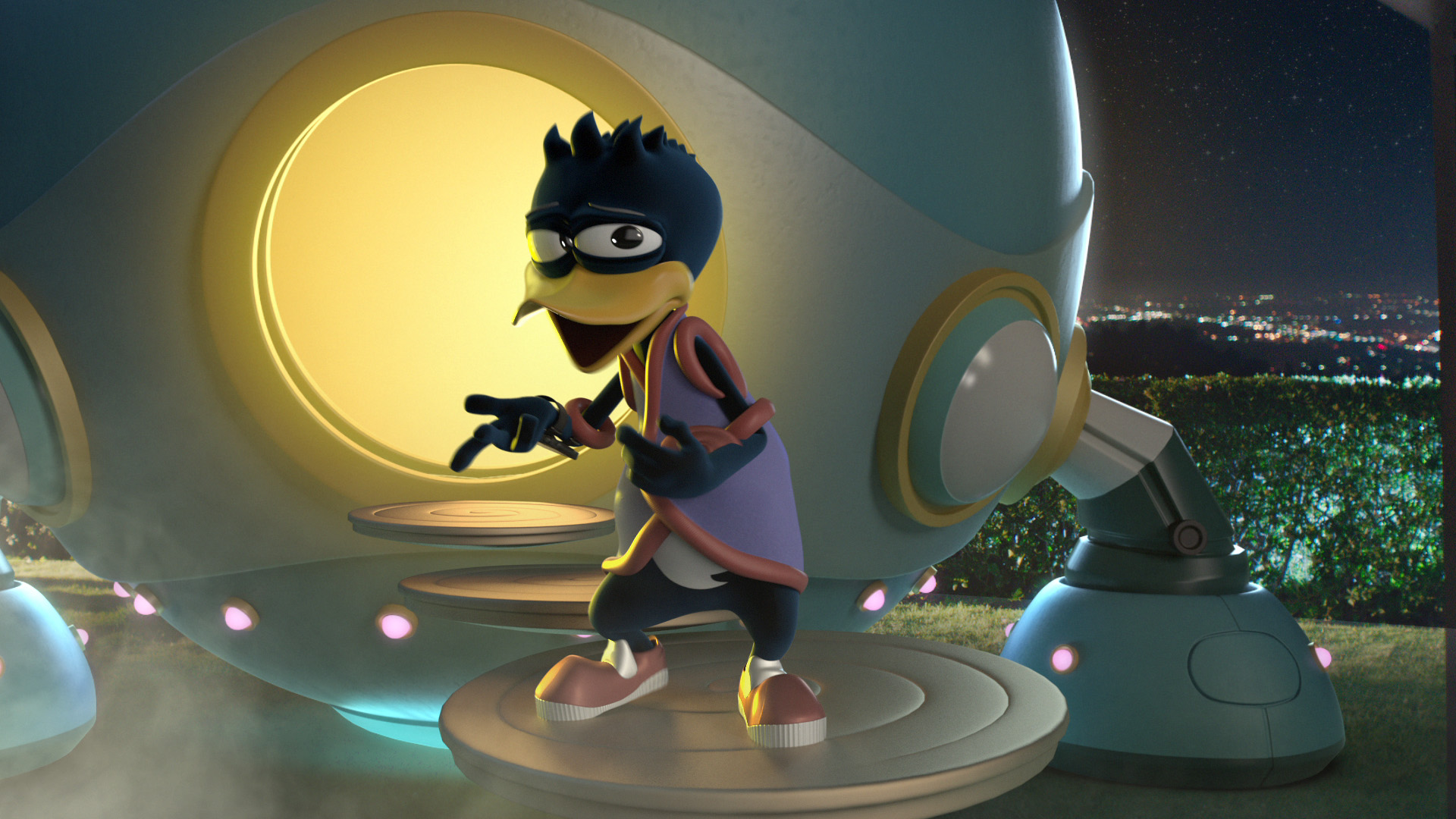
The most memorable commercial videos rarely rely on visual effects alone. They combine strong concepts, clear messaging, good design, animation, sound, pacing, and visual storytelling.
Effects are one piece of that larger creative process.
When used correctly, they can make invisible processes visible, turn technical information into understandable imagery, and give products a personality that would be difficult to achieve through conventional video alone.
That is why the best visual effects are not necessarily the biggest or most spectacular. They are the effects that make the audience understand something, feel something, or remember something.
For companies developing animated marketing videos, the right combination of animation and effects can turn a complicated message into an engaging story. Whether the goal is to introduce a product, explain a service, demonstrate technology, or build awareness for a brand, professional visual effects provide another powerful tool for communicating ideas.
At Hatch Studios, we bring decades of animation experience to that process. By combining storytelling with 2D and 3D animation, motion graphics, compositing, and VFX services, we create marketing videos designed around the message first and the effects second.
The result is not simply a video filled with impressive visuals. It is a visual story where every effect has a reason to be there. Get in touch with us today to learn more.
FAQ
What makes visual effects effective for commercial storytelling?
Visual effects are most effective when they support the story and help communicate an idea. They can visualize complicated concepts, create digital environments, demonstrate products, and make information easier for audiences to understand.
What types of visual effects are commonly used in animated marketing videos?
Common visual effects include 3D environments, motion graphics, animated typography, particle effects, physical simulations, digital lighting, product reveals, compositing, and creative transitions.
How can visual effects help explain complex products and processes?
Visual effects can make complicated or invisible processes easier to understand by showing them visually. They can demonstrate product functions, scientific processes, manufacturing systems, medical concepts, and technical information in an engaging way.
Are free visual effects suitable for commercial marketing videos?
Free visual effects can be useful for simple projects or productions with limited budgets. However, custom visual effects often provide greater control, brand consistency, and flexibility for professional commercial marketing campaigns.
Why is experience important when choosing a visual effects studio?
Experienced visual effects studios can coordinate animation, motion graphics, compositing, visual effects, sound, and storytelling as part of one production. Hatch Studios has been developing high quality animated explainer videos for decades and can combine these techniques around the goals of each project.