
Why Professional Training Video Production Matters for Modern Businesses

Training is an essential part of running a successful business, but traditional employee training can be time consuming, expensive, and difficult to keep consistent. Professional training video production gives businesses a practical way to create engaging educational content that employees can access whenever and wherever they need it. When animation is incorporated into the process, even complicated procedures, systems, products, and concepts can be explained clearly through visual storytelling.
At Hatch Studios, we have been developing high quality animated training videos for decades. We combine 2D animation, 3D animation, motion graphics, visual effects, narration, and professional storytelling to create training content that helps businesses communicate information clearly and consistently.
Why Employee Training Matters
Every organization needs employees who understand their roles, responsibilities, tools, systems, and procedures. Whether someone is joining a company for the first time or learning a new process, effective training can make a significant difference in how quickly they become comfortable with their responsibilities.
The challenge is that businesses often have employees working in different locations, departments, offices, and time zones. Bringing everyone together for the same training session is not always practical.
Training videos provide a solution.
Instead of requiring an instructor to repeat the same presentation for every group of employees, a professionally produced video can communicate the same information repeatedly. Employees can watch the material when it fits their schedules, revisit difficult sections, and work through training at their own pace.
This can make training more accessible while reducing the amount of time managers and trainers need to spend delivering repetitive presentations.
How Animated Training Videos Improve Learning
Animation is particularly useful when a business needs to explain something that is difficult to demonstrate with conventional video.
Imagine trying to explain the internal operation of a complicated machine using only a camera. You can film the exterior, but the camera cannot easily show what is happening inside.
With animation, the internal components can be visualized directly.
A 3D model can be separated into individual parts, allowing employees to see how components interact. The camera can move inside the machine, highlight specific areas, demonstrate movement, and show a process step by step.
The same principle applies to software, medical concepts, scientific processes, workplace procedures, and other complicated subjects.
Our 3D animation production services allow us to create detailed visual demonstrations that can make complex subjects easier to understand.
Animation Can Make Training More Engaging

Employee training does not have to be dull.
Long presentations filled with text and static slides can make it difficult for employees to remain focused, particularly when the subject matter is complicated or repetitive.
Animation introduces movement and visual storytelling into the learning experience.
A concept can be demonstrated instead of simply described. A character can walk through a scenario. A diagram can be animated to show how different elements relate to one another. A product can be shown from multiple angles. Important information can appear on screen at exactly the right moment.
This does not mean every training video needs to be flashy or entertaining. The visual approach should always support the educational objective.
At Hatch Studios, we select the appropriate animation styles based on the subject matter, audience, brand, and communication goals.
Saving Time With Repeatable Training Content
One of the biggest advantages of professional training videos is repeatability.
Consider a company that hires new employees throughout the year. Without a video based training program, someone may need to deliver the same introductory presentation every time a new group joins the organization.
That takes time.
A professionally produced training video can handle much of the repetitive communication.
Employees can watch the same core material as part of their onboarding process, while managers and instructors can focus their time on questions, practical demonstrations, and more specialized instruction.
This is particularly useful for large organizations where employee numbers make traditional training increasingly difficult to manage.
A training video does not necessarily replace human instruction. Instead, it can provide a consistent foundation that allows instructors to spend more time on the areas where personal interaction is most valuable.
Reducing Training Costs
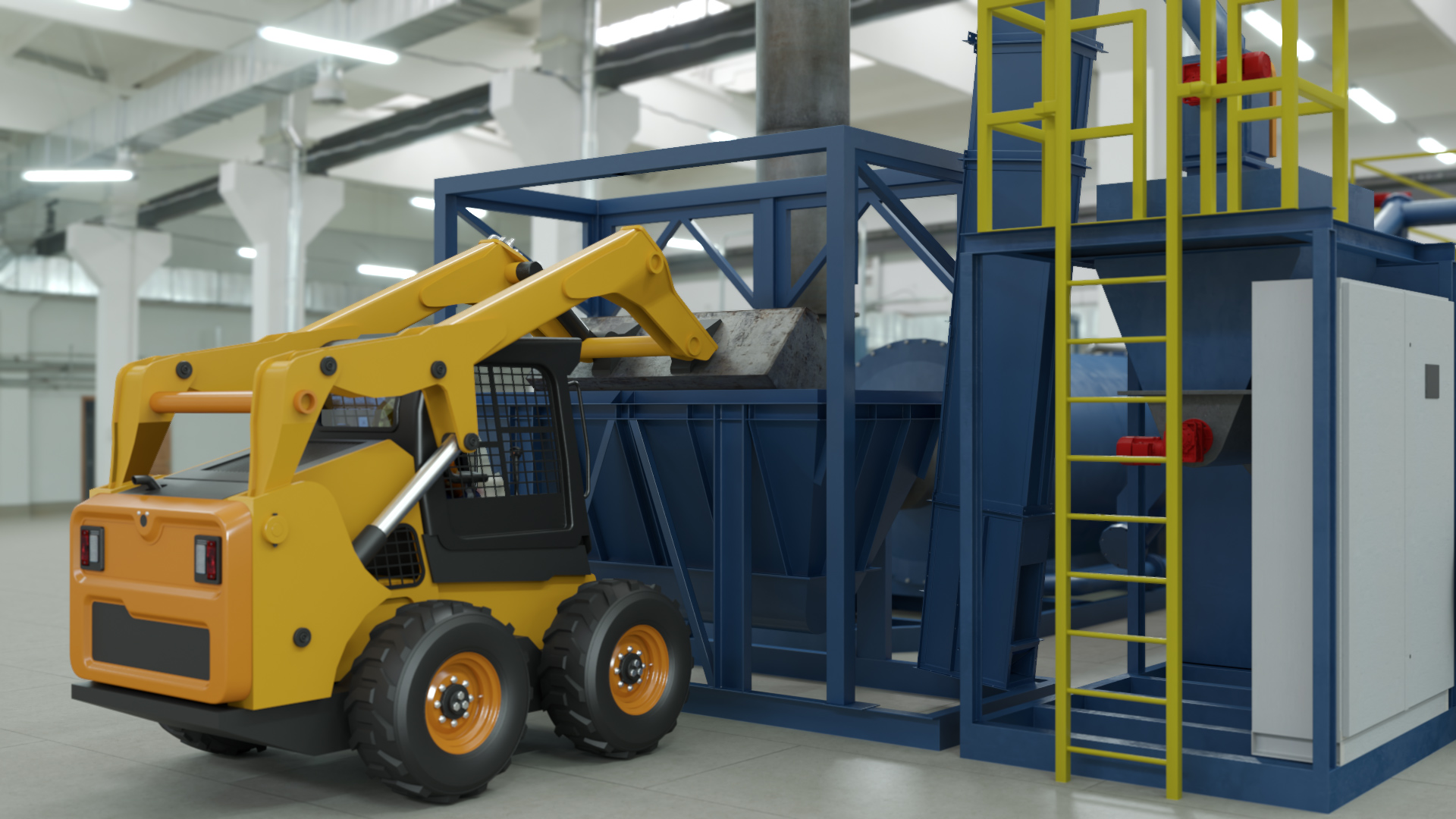
There can also be significant financial advantages to developing reusable training content.
Traditional training may require instructors, meeting rooms, travel, printed materials, equipment, and scheduled sessions. These costs can accumulate when the same material needs to be delivered repeatedly.
A professionally produced video requires an initial investment, but the finished content can potentially be used for years.
This makes professional training video production an important consideration for organizations that regularly onboard employees or need to communicate standardized procedures.
The more frequently a training program is used, the more valuable reusable content can become.
Businesses can also create a library of videos covering different topics. New employees can work through relevant modules without requiring an instructor to deliver every lesson in person.
Improving Employee Onboarding
Employee onboarding is one of the most obvious applications for animated training videos.
New employees often need to absorb a large amount of information during their first few days or weeks. They may need to learn about company policies, workplace procedures, software, products, safety requirements, organizational structure, and job specific responsibilities.
Trying to communicate everything at once can be overwhelming.
A video based onboarding program allows the information to be divided into manageable sections.
One video might introduce the company. Another could explain workplace policies. A third could demonstrate software or equipment. Additional videos could address specific procedures for individual departments.
This modular approach makes the onboarding process easier to organize and gives employees an opportunity to revisit material when necessary.
Creating Consistency Across Locations
Consistency is another major advantage.
Large organizations may have employees working across multiple offices, cities, countries, or facilities. If every location delivers training independently, the information may gradually become inconsistent.
A centralized video provides everyone with the same core message.
This is particularly useful for corporate policies, safety procedures, product information, compliance topics, and other subjects where consistency matters.
Corporate training video production can therefore become an important part of a broader internal communications strategy.
Organizations can establish a consistent visual and educational style across their training library while still creating specialized videos for individual departments or roles.
Training Complex Products and Processes
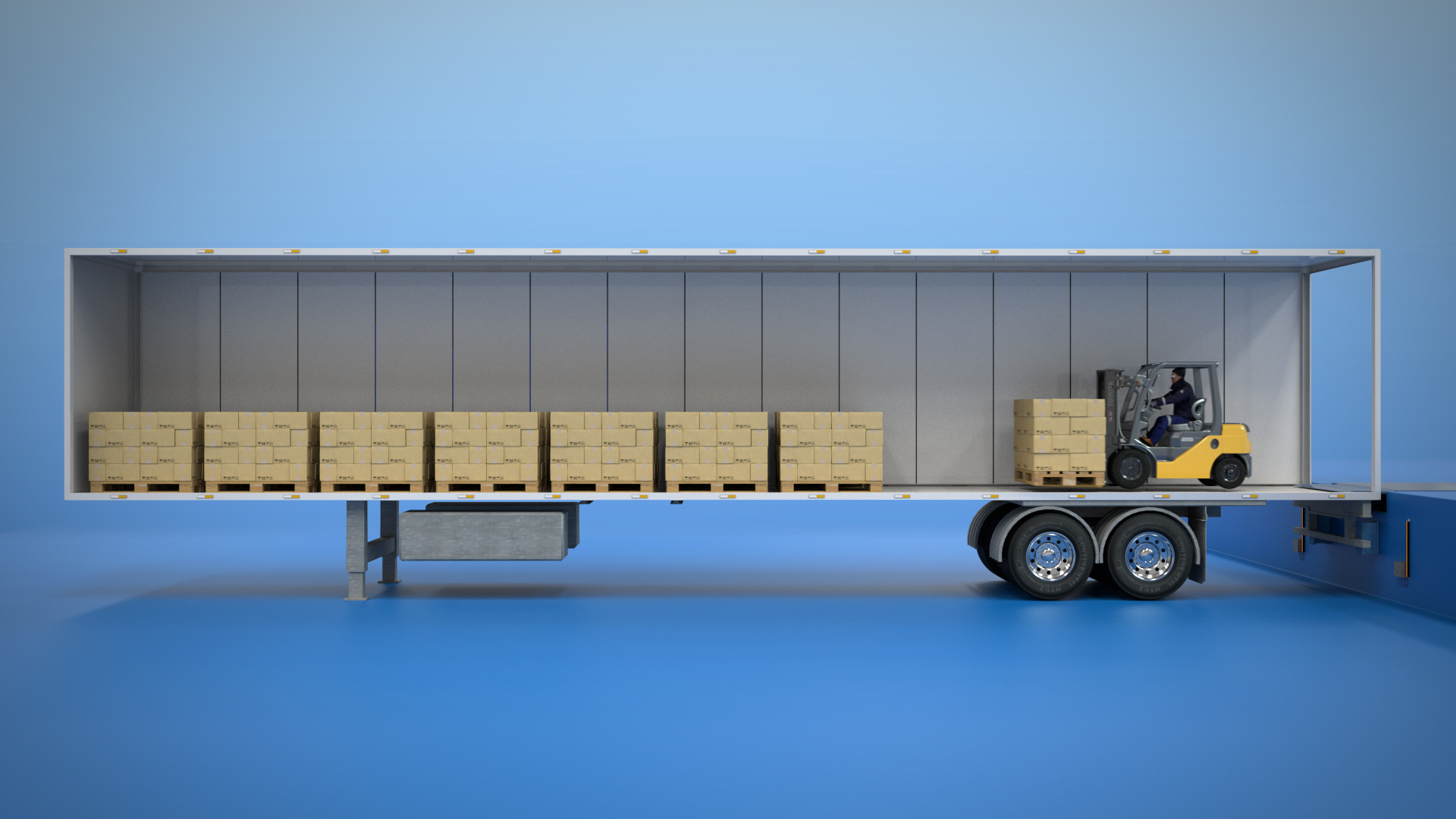
Some businesses sell products or operate systems that are simply too complicated to explain with a basic presentation.
Animation can break those subjects down into individual steps.
For example, a product can be shown being assembled, operated, maintained, or disassembled. Internal components can be revealed. A process can be slowed down or shown from multiple perspectives.
This is particularly useful for manufacturing, engineering, healthcare, technology, energy, automotive, and other technical industries.
Our animation services give us the flexibility to combine different visual techniques depending on what the training material requires.
A project might use 3D animation for a product demonstration, motion graphics for technical information, and 2D animation for a simple conceptual explanation.
Using Motion Graphics to Clarify Information
Not every training topic requires detailed animation.
Sometimes a simple graphic, diagram, chart, or animated text element can communicate an idea more effectively.
Our motion graphics production capabilities allow us to incorporate these elements into training videos.
Motion graphics can identify important terminology, highlight statistics, demonstrate relationships between concepts, or reinforce information presented through narration.
They can also help establish a visual hierarchy, making it easier for employees to understand which information is most important.
For simpler training subjects, our 2D animation production services can provide an approachable visual style without the complexity of a full 3D production.
Professional Training Requires More Than Animation

Animation is a powerful tool, but good training content requires more than attractive visuals.
The information needs to be accurate. The script needs to be clear. The narration needs to sound natural. The pacing needs to give employees enough time to understand each concept.
This is where an experienced training video producer can make a significant difference.
A professional production team understands how to balance educational content with visual communication. It can identify sections that may be confusing, suggest better ways to visualize information, and organize the material into a logical sequence.
At Hatch Studios, we approach each project as a communication challenge rather than simply an animation assignment.
Choosing Among Training Video Production Companies
Businesses considering training video production companies should look at more than the appearance of a demo reel.
Experience with storytelling, animation, editing, sound, visual design, and technical communication all matter.
It is also important to determine whether the production team understands the specific needs of corporate training.
Training content has a different objective from advertising. A marketing video may be designed primarily to generate interest, while a training video needs to make sure employees actually understand the material.
That distinction influences everything from the script to the pacing and visual design.
An experienced training video production company can help ensure that the creative approach supports the learning objective rather than distracting from it.
Integrating Video Production and Marketing
Training content can also connect with a company’s broader video strategy.
Organizations often have products, services, processes, and brand messages that need to be communicated to both external and internal audiences. The same visual assets and production expertise can sometimes support multiple types of content.
For example, a 3D product model created for a marketing video may also be useful in an employee training program. A brand animation developed for an external campaign may provide visual elements for internal communications.
This creates opportunities to connect video production and marketing with employee education.
Our marketing video production and product video production capabilities complement our training work when organizations need multiple types of video content.
Creating a Scalable Training Library

Once a company has established a professional visual style for its training content, additional videos can be developed using the same approach.
This makes it possible to build a scalable training library over time.
A company might begin with a few onboarding videos and later add modules covering software, equipment, safety, compliance, customer service, products, and specialized procedures.
The library can evolve as the business evolves.
New employees can access the relevant material, while existing employees can return to specific lessons whenever they need a refresher.
This flexibility is one of the reasons professional training videos can provide value long after the initial production is complete.
Our Approach to Training Video Production
At Hatch Studios, we have been creating high quality animated training videos for decades. Our experience covers a wide range of industries and communication requirements.
We begin by understanding the subject matter, audience, learning objectives, and desired outcome. From there, we develop the appropriate visual approach and determine how animation, graphics, narration, and other production techniques can work together.
Our animation process provides a structured path from concept and scripting through storyboards, visual development, animation, sound, and final delivery.
This planning is important because training videos need to be both visually engaging and educationally effective.
We also understand that every organization has different requirements. Some projects may need straightforward 2D animation, while others benefit from detailed 3D visualization, live action footage, motion graphics, or visual effects.
Our work demonstrates the variety of visual communication projects we have developed over the years.
Why Decades of Experience Matter
Creating a professional training video requires more than knowing how to operate animation software.
It requires an understanding of storytelling, visual communication, pacing, sound, design, and production management.
Decades of experience provide an opportunity to understand what works and what does not.
At Hatch Studios, we have developed animated content for a wide variety of applications over the years. That experience allows us to approach complex subjects from a communication perspective and determine how best to turn technical or detailed information into understandable visual content.
Our about page provides more information about our studio and experience.
Building Better Employee Training With Video
Professional training videos can help businesses save time, reduce repetitive training costs, improve consistency, and make complicated information easier to understand.
Animation adds another level of flexibility by allowing businesses to visualize processes, products, systems, and concepts that may be difficult to capture with conventional video.
For employee onboarding in particular, professionally produced video can provide a consistent introduction to important information while allowing managers and trainers to focus on more valuable personal interaction.
At Hatch Studios, we combine decades of experience with 2D animation, 3D animation, motion graphics, visual effects, sound, and professional storytelling to create training content built around each organization’s needs.
Whether you are developing an employee onboarding program, updating an existing training library, or introducing a complicated product or process, professional video can make the information easier to communicate and easier for employees to revisit.
If you are considering a new training program, contact Hatch Studios to discuss your project and learn how we can help turn complex information into clear, engaging animated training content.
FAQ
How can animated training videos help with employee onboarding?
Animated training videos can introduce employees to company policies, procedures, software, products, equipment, and job responsibilities in an engaging and easy to understand format. Training can also be divided into shorter modules that employees can complete and revisit at their own pace.
Can training videos save businesses time and money?
Yes. A professionally produced training video can be reused whenever new employees need the same information, reducing the need for instructors to repeatedly deliver identical presentations. This can also reduce expenses associated with travel, meeting spaces, printed materials, and other traditional training resources.
Why is animation useful for explaining complicated training topics?
Animation can visualize subjects that are difficult to capture with a conventional camera. For example, 3D animation can reveal the internal components of a machine, demonstrate how products operate, visualize technical processes, and show procedures step by step.
What types of businesses can benefit from professional training videos?
Organizations across many industries can use professional training videos for employee onboarding, safety procedures, software instruction, product education, compliance, equipment operation, and specialized processes. Training videos can be particularly useful for businesses with employees working across multiple locations.
What should businesses look for in a training video production company?
Businesses should look for experience with storytelling, animation, visual communication, sound, editing, and educational content. A professional production team should also understand how to simplify complex information and choose the right combination of 2D animation, 3D animation, motion graphics, and other techniques for the training objective.