
How Car Designers Use 3D Rendering to Visualize New Vehicles
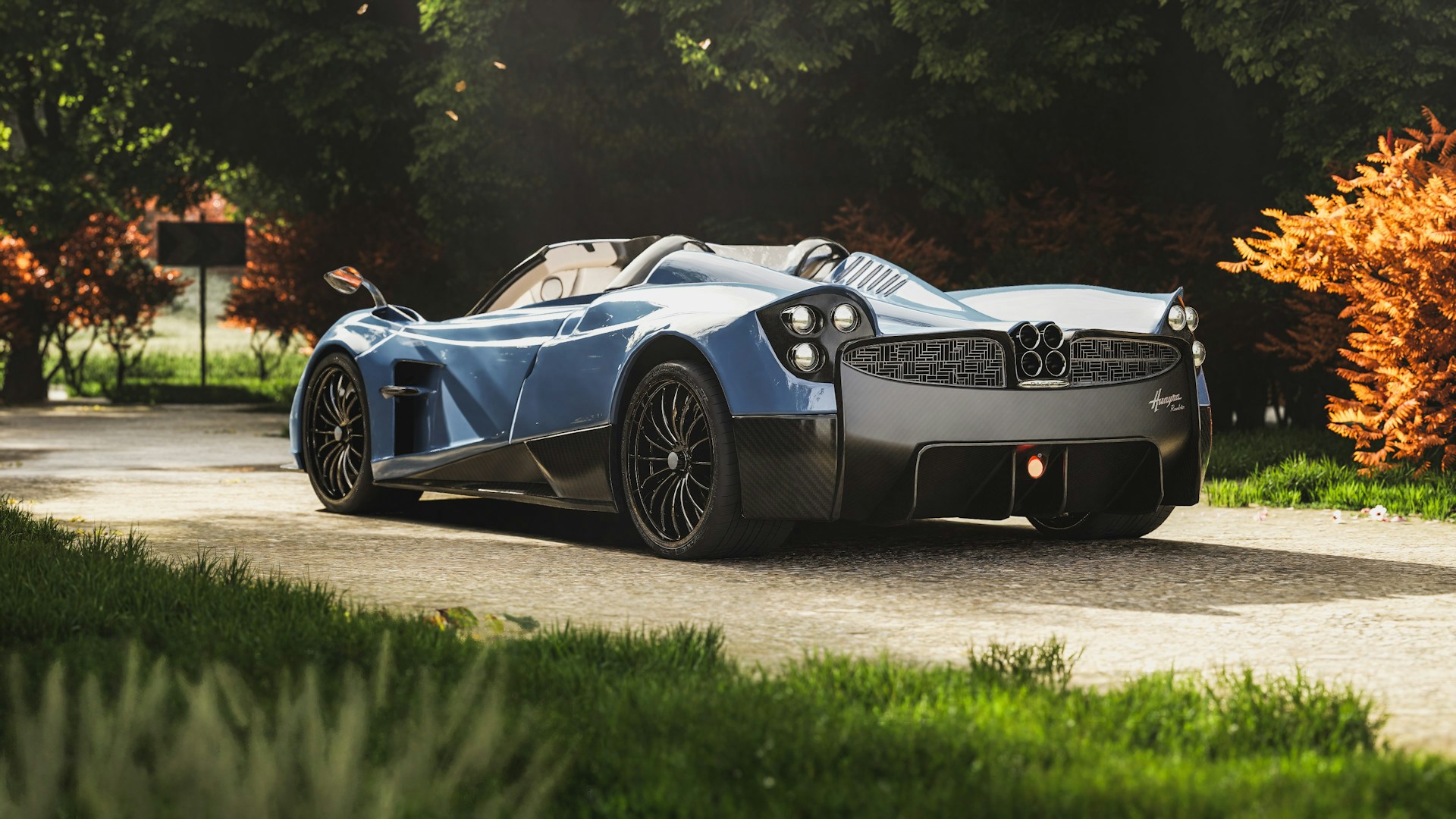
Designing a modern automobile is one of the most intricate engineering and artistic challenges in the industrial world. Long before a sleek concept car ever rolls onto a showroom floor or hits the assembly line, automotive designers must explore thousands of subtle curves, lighting reflections, and aerodynamic contours. Today, advanced automotive 3D rendering has become the indispensable backbone of vehicle design and marketing. It bridges the gap between raw engineering CAD blueprints and photorealistic reality, transforming digital sketches into breathtaking visuals that capture the imagination of executives, engineers, and car enthusiasts alike.
In the past, bringing a new vehicle concept to life meant spending months hand sculpting massive clay models, milling physical mockups, and coordinating expensive photo shoots in remote locations. While physical clay sculpting still holds a nostalgic place in design studios, digital visualization has revolutionized the entire timeline. It allows design teams to iterate instantly, test complex materials under any lighting condition imaginable, and launch high impact commercial campaigns months before the first physical chassis is ever welded together. Let us take a deeper look under the hood at how car designers rely on digital rendering and animation to bring tomorrow vehicles to life today.
The Evolution of Automotive Design Workflows
The journey from a preliminary design sketch to a street legal vehicle typically spans several years and involves hundreds of specialized professionals. In traditional automotive design, stylists drew two dimensional sketches on paper, which were then laboriously translated into full scale clay sculptures. If an executive wanted to see how a rear spoiler looked with a two inch drop, or how a metallic flake paint reflected the afternoon sun, artisans spent days scraping and reshaping physical clay.
Digital modeling and rendering turned that slow, linear process into an agile, highly dynamic workflow. By taking Class A surface data and engineering CAD models directly into specialized graphics software, designers can now evaluate every millimeter of a vehicle in real time.
Today, advanced car rendering allows design studios to:
- Evaluate aerodynamic surfaces and body line continuity instantly
- Experiment with hundreds of bespoke interior leather trims, carbon fiber weaves, and ambient lighting setups in minutes
- Simulate real world optical reflections across curved glass and metallic paint finishes with mathematical precision
- Collaborate across global design hubs located in different time zones seamlessly
This technological shift does not just save millions of dollars in prototype manufacturing; it frees designers to push creative boundaries further than ever before.
The Power of Photorealism in Vehicle Visualization

Achieving absolute photorealism in digital automotive art is remarkably demanding. Car bodies are essentially giant, complex mirrors made of curved sheet metal, tinted glass, and polished chrome. Every tiny flaw in surface curvature, lighting placement, or material roughness is immediately noticeable to the human eye.
Modern digital artists simulate real world physics to calculate how millions of virtual light rays interact with multi layered automotive clear coats. This level of precision is where high end 3D product visualization truly shines.
1. Multi Layered Paint and Material Shaders
Real automotive paint is far more than a simple color layer. It consists of an electrocoat primer, base color coat, microscopic metallic or pearlescent flakes suspended in medium, and a thick, glossy clear coat. Modern render engines accurately calculate how light penetrates the clear coat, scatters off internal metallic flakes, and bounces back, creating that rich, deep luster you see under bright showroom spotlights.
2. High Dynamic Range Lighting and Reflections
To make a digital car look genuine, it must reflect a believable environment. Artists use high dynamic range 360 degree spherical panoramic lighting domes captured on location at salt flats, neon lit city streets, winding alpine passes, or minimalist photography studios. The digital car picks up every subtle highlight along its shoulder lines, grounding it in reality.
3. Microscopic Interior Details and Ergonomics
Vehicle visualization is just as critical on the inside as it is on the outside. Designers use high resolution texturing to visualize perforated leather seating, contrast stitching, brushed aluminum dials, touchscreens, and ambient fiber optic cabin lighting. This allows interior designers to test ergonomics, driver visibility, and aesthetic harmony without building costly cabin bucks.
Why 3D Animation Is Essential for Car Designers
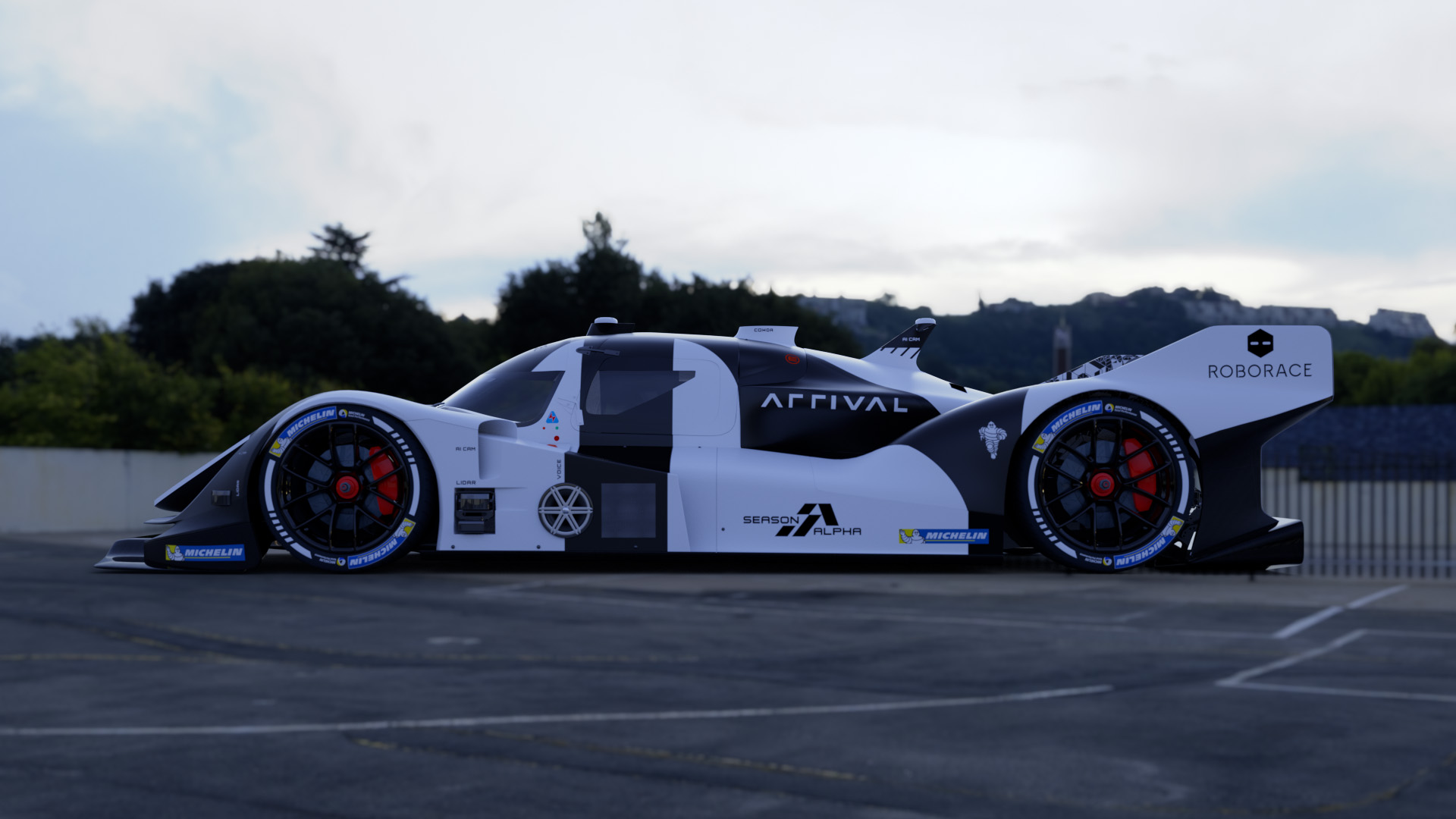
While static beauty shots are fantastic for billboards and print media, automobiles are machines built for dynamic motion. A vehicle personality only fully reveals itself when it is accelerating through a corner, leaning into a turn, and interacting with its environment. This is why 3D animation has become an essential companion to static automotive rendering.
1. Dynamic Chassis Physics and Road Interaction
Static renders cannot communicate the thrill of driving. Through advanced physics simulations, digital animators can rig vehicle models with functional suspension geometry, active aerodynamics, tire compression, and body roll. When the virtual car accelerates down a desert highway, the suspension squats, the tires grip the pavement, and the chassis responds realistically to every road imperfection.
2. Kinetic Lighting and Horizon Reflections
When a car moves through an environment, the highlights along its body panels shift and glide continuously. Animating a vehicle moving through a tunnel or past city streetlights showcases the continuity of its surfacing, proving that the design looks just as stunning in motion as it does standing still.
3. Exploded Views and Powertrain Tours
With the rapid rise of electric vehicles and hybrid powertrains, consumers and investors want to understand the advanced technology hidden beneath the sheet metal. Using advanced 3D animation production, animators can peel away body panels in mid motion, showcasing liquid cooled battery packs, dual electric drive motors, regenerative braking systems, and active suspension dampeners.
From Concept Studio to Global Marketing Campaigns
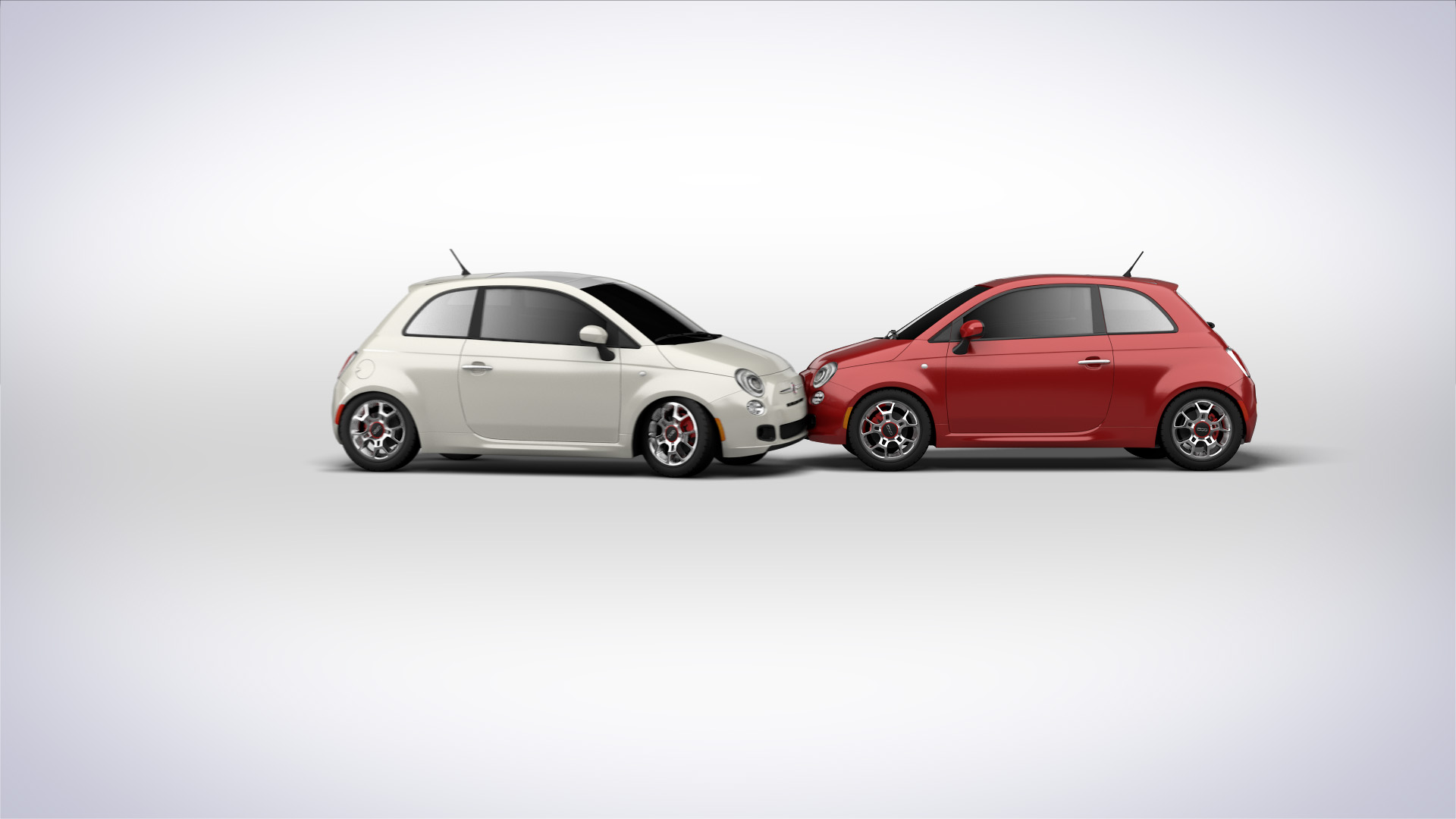
One of the most powerful advantages of modern digital vehicle visualization is that the exact same digital assets used by designers can be repurposed across the entire product lifecycle.
Long before a physical manufacturing plant begins stamping body panels, marketing teams can utilize comprehensive automotive rendering services to generate broadcast commercials, press kit imagery, online configurators, and showroom interactive displays.
Here is how different departments leverage 3D vehicle rendering throughout a launch:
- Executive and Board Approval: Pitching bold new design languages to internal stakeholders with hyper realistic digital concept presentations.
- Interactive Online Configurators: Allowing prospective car buyers on a website to swap paint colors, wheel packages, interior upholstery, and trim levels with instant visual feedback.
- Teaser and Launch Commercials: Crafting dramatic, cinematic reveal spots produced through custom marketing video production to build massive public anticipation ahead of global auto shows.
- Technical and Dealership Training: Educating service technicians and sales teams on new mechanical architectures using clear, step by step training video production.
- Branded Video Intros: Enhancing vehicle launch presentations with custom animated emblems created through high end 3D logo production.
By eliminating the need to ship top secret physical prototypes to remote film locations, automotive brands protect their intellectual property from spy photographers while dramatically slashing production budgets.
Comparing Physical Prototyping vs. Digital Vehicle Visualization
To understand why the global automotive industry has embraced digital pipelines so wholeheartedly, look at how physical mockups compare to modern digital rendering:
| Production Aspect | Physical Clay and Mockups | 3D Automotive Rendering |
| Iteration Speed | Days or weeks to rescape physical surfaces | Minutes to modify CAD geometry and re render |
| Material Testing | Requires sourcing physical swatches and paint samples | Instant swapping of thousands of procedural materials |
| Environmental Context | Limited to physical studio or physical test tracks | Infinite virtual environments from race tracks to futuristic cities |
| Internal Cutaways | Requires destroying expensive physical assemblies | Flawless digital cutaways, X ray views, and exploded layers |
| Asset Longevity | Physical models degrade or get scraped away | Permanent digital twin assets that can be reused for years |
| Confidentiality Risk | High risk during open air transport and photo shoots | Complete security within controlled digital workspaces |
When you examine automotive design rendering through this lens, digital technology is not just an alternative; it is the ultimate creative tool for modern vehicle development.
The Role of Visual Effects in Automotive Storytelling
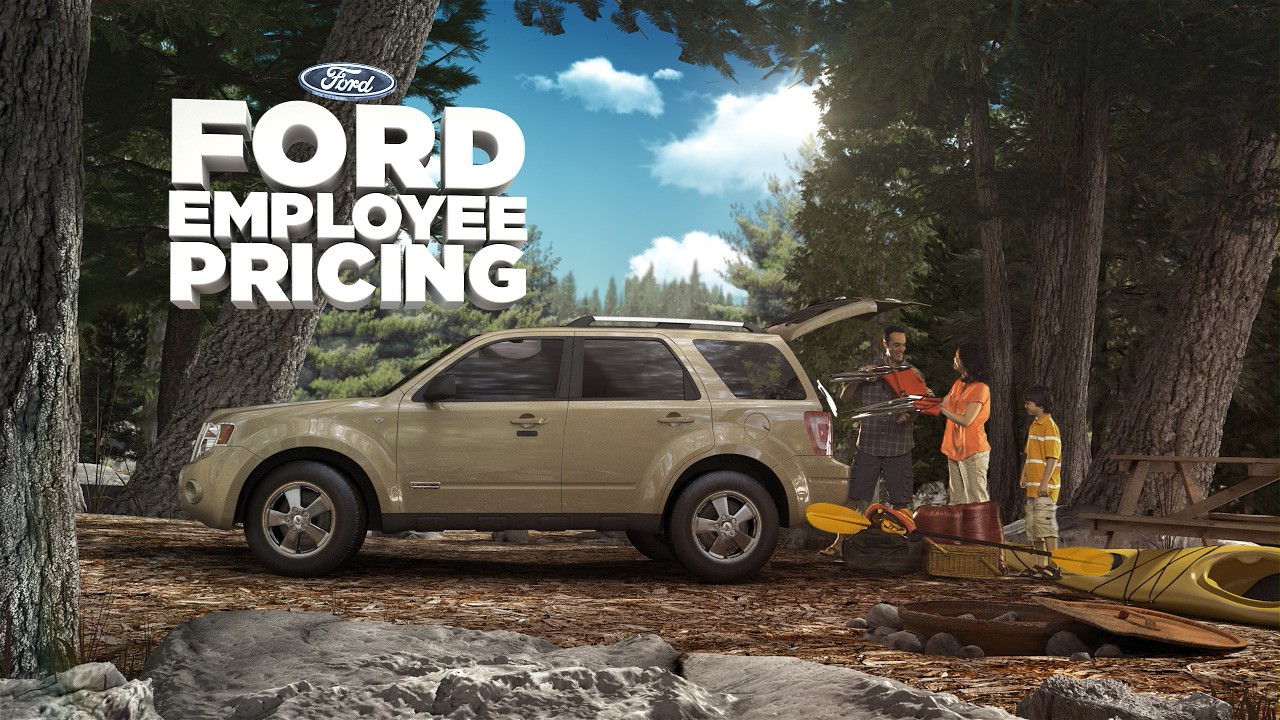
Sometimes a standard studio shoot or realistic road drive is not enough to capture the revolutionary spirit of a new concept vehicle. When brands want to communicate cutting edge autonomous driving capabilities, connected cloud infrastructure, or futuristic energy efficiency, integrating specialized visual effects production takes the storytelling to an entirely new level.
Digital artists can generate glowing LiDAR laser scans that map out virtual city streets around the car, visualize aerodynamic wind tunnel vortex streams swirling off side mirrors in real time, or seamlessly composite computer generated vehicles into live action plates filmed with specialized camera tracking cars.
Blending dynamic 3D elements with clean motion graphics production allows designers to highlight heads up displays, augmented reality windshield navigation, and real time telemetry in a way that feels sleek, intuitive, and undeniably high tech.
Decades of Automotive Animation Excellence with Hatch Studios
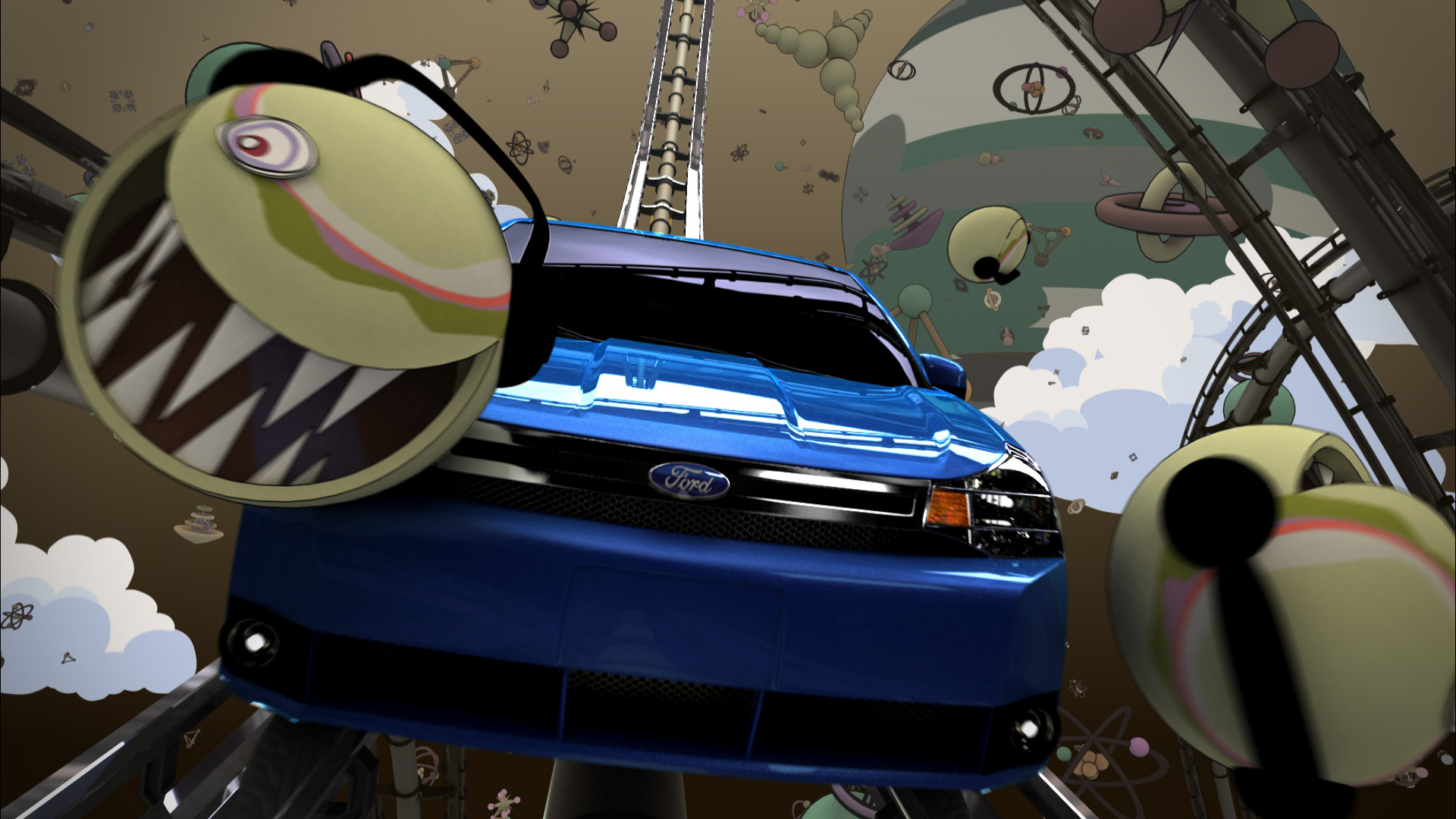
Creating vehicles in computer graphics requires an obsession with perfection. Every reflection angle, tire tread groove, and carbon fiber weave must look absolutely authentic to hold up to the scrutiny of passionate automotive enthusiasts. At Hatch Studios, we have been developing high quality 3D vehicle renderings, broadcast commercials, and stunning digital experiences for decades.
Our experienced team of digital sculptors, lighting artists, and technical animators has collaborated with leading automotive brands, creative agencies, and industrial innovators across numerous animation industries. We understand how to take dense engineering CAD files, optimize complex assemblies, and transform raw technical data into breathtaking cinematic spectacles.
Whether your project requires photorealistic commercial spots, engaging corporate video production for investor keynotes, character driven 2D animation production, or a wide variety of versatile animation styles, our studio handles the entire creative journey under one roof.
We believe that great visual projects are built on clear communication, structured milestones, and artistic passion. Our collaborative animation process ensures your team is guided smoothly from initial styleboards, CAD data prep, and animatics to final lighting, color grading, sound design, and master rendering.
To see our automotive craftsmanship and commercial visual storytelling in action, take a moment to explore our diverse portfolio of recent client work. You can also visit our about page to learn more about our studio heritage, or check out our blog for fresh tutorials, industry trends, and creative insights.
Driving into the Future of Vehicle Design
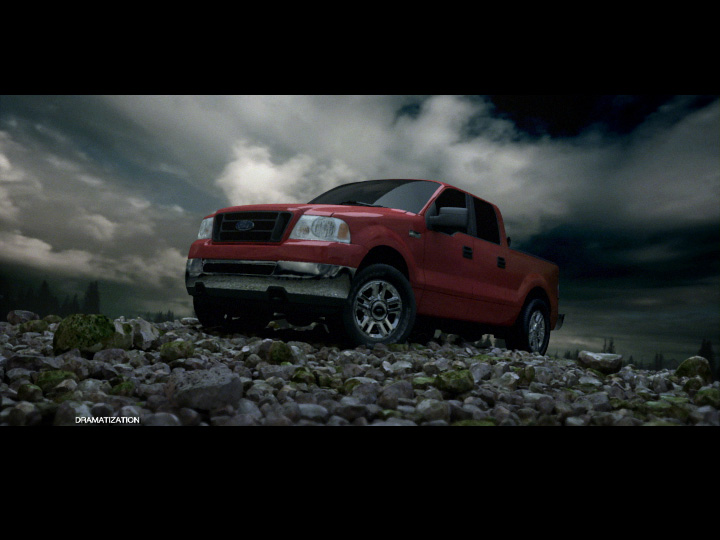
The way we conceive, design, and experience automobiles is evolving faster than at any other point in history. As electric propulsion, autonomous intelligence, and sustainable lightweight materials reshape the transportation landscape, the need for clear, compelling visual communication has never been greater.
Leveraging automotive 3D visualization gives car designers, engineers, and brand marketers the power to test bold ideas without limits, tell unforgettable visual stories, and captivate audiences long before a car ever touches the open road.
Whether you are unveiling a revolutionary electric concept, updating your consumer vehicle lineup, or building a high converting promotional campaign, 3D car rendering is the definitive medium to showcase your engineering excellence.
Are you ready to bring your vehicle concepts to life with world class digital craftsmanship? Get in touch with our creative team through our contact page today, and let us create something extraordinary together.