
Healthcare Explainer Videos: Benefits, Types & Best Practices for Medical Organizations

Navigating the modern medical landscape can feel overwhelming for patients and providers alike. When facing complex diagnoses, new treatments, or intricate pharmaceuticals, people need information that is clear, compassionate, and easy to understand. That is where healthcare explainer videos come into play. Instead of handing a patient a stack of dense pamphlets filled with clinical jargon, medical organizations can use visual storytelling to bring clarity and peace of mind. Visual learning breaks down intimidation barriers, helping individuals absorb vital health information in a matter of minutes.
At Hatch Studios, we have been developing high quality animated healthcare content for decades. From global pharmaceutical leaders to digital health startups, we help organizations turn complex medical science into engaging visual narratives. Over our long history, we have seen technology evolve, but one rule remains constant: when you make health information clear and empathetic, patient outcomes and brand trust improve dramatically. In this guide, we will explore the major benefits of visual communication in medicine, look at the primary video types, and share key best practices for medical organizations looking to elevate their communication strategy.
Why Visual Communication Matters in Medicine
Medical anxiety is a very real barrier. When a patient receives a new diagnosis or prepares for a surgical procedure, their stress levels spike. In those high anxiety moments, processing written text becomes significantly harder. Clinical white papers or text heavy consent forms often leave patients feeling confused and powerless.
Visual media solves this fundamental problem by leveraging how the human brain naturally processes information. Viewers retain significantly more information from visual media than from printed text. When you combine gentle movement, thoughtful color palettes, and a reassuring voiceover, you create a calm learning environment. By simplifying complex ideas, you are not watering down the science. Instead, you are making it accessible.
Furthermore, investing in professional healthcare video production allows medical brands to show empathy. A healthcare provider or pharmaceutical company that takes the time to create clear, compassionate visual resources demonstrates that they truly care about the patient experience. That empathy builds the groundwork for a lasting relationship between patients and care providers.
The Core Benefits of Animated Healthcare Content
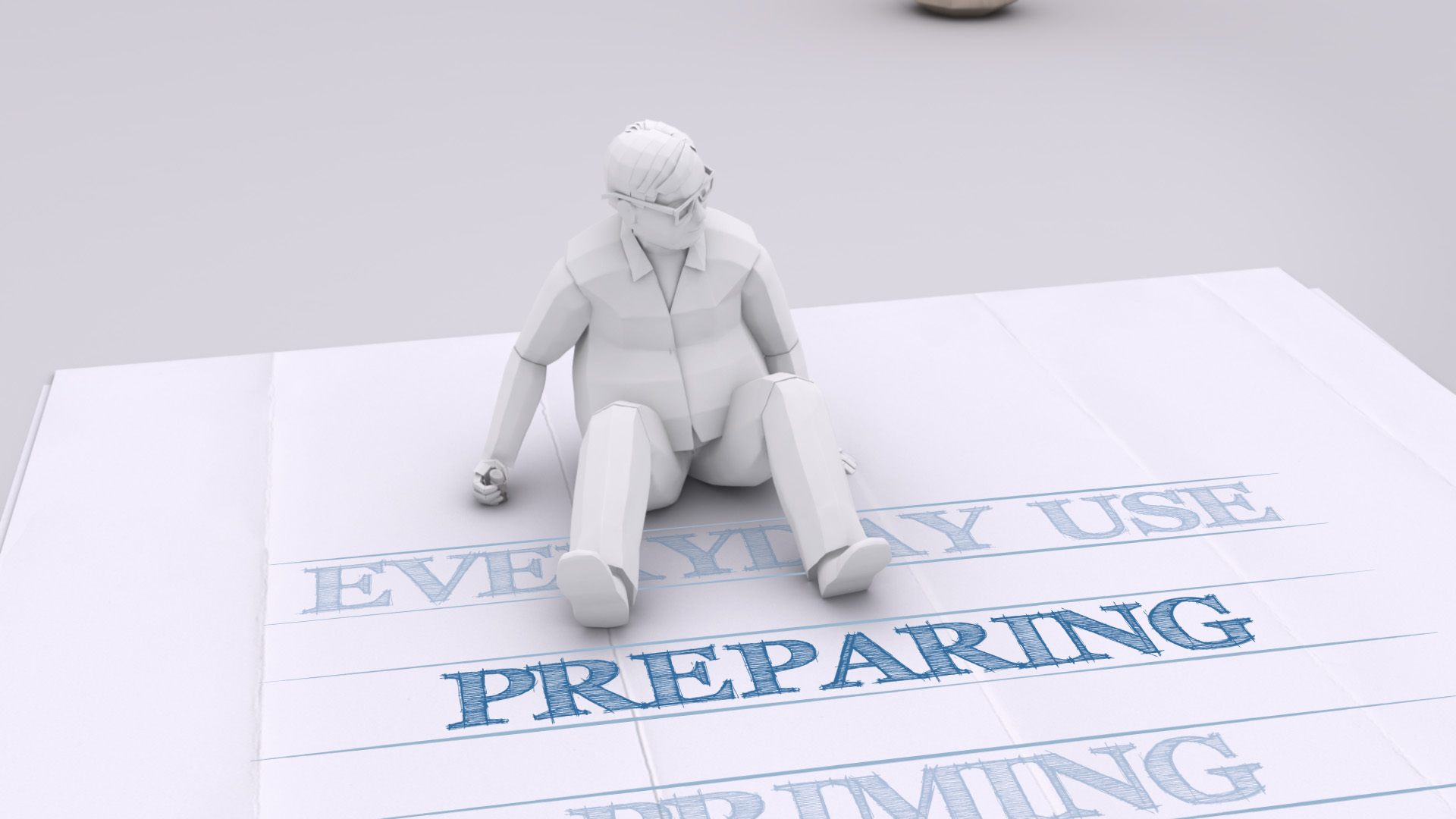
When medical organizations plan their media strategy, they often decide between live action filming and digital animation. While live action has its place for personal interviews, animation offers unique practical advantages within healthcare.
1. Visualizing the Invisible
So much of modern medicine happens on a microscopic or cellular level. You cannot point a physical camera at a cell receptor to show how a targeted oncology drug works. Through specialized 3D animation production, we can take viewers inside the human body to show exact biological mechanics. We can visualize blood flow, cellular interactions, and surgical tool precision with photorealistic clarity.
2. Protecting Patient Privacy and Maintaining Hygiene
Filming inside active operating rooms, intensive care units, or diagnostic labs creates major logistical challenges. It can disrupt medical staff, raise infection control concerns, and compromise patient privacy. Custom animation removes these physical barriers entirely. We can build pristine digital environments and clinical models without ever stepping foot inside a physical hospital room or disturbing a single patient.
3. Removing Squeamish or Intimidating Elements
Real surgical footage or live medical procedures can be unsettling for non medical viewers. Seeing blood or incisions often causes viewers to turn away. By choosing 2D animation production or stylized digital renders, we can present anatomical structures and surgical steps in a clean, educational, and completely approachable way.
4. Ensuring Complete Compliance and Easy Updating
Regulatory guidelines in healthcare are strict. If a live action video features a medical device that gets updated or a clinical procedure that changes slightly, the entire video often has to be reshot from scratch. With custom animation, the digital assets live in a flexible environment. If your compliance team requires a minor text tweak or an update to a device model next year, we can simply adjust the digital project file and render the update.
Key Types of Medical Video Assets
Medical organizations serve diverse audiences, including patients, physicians, hospital procurement boards, and investors. To communicate effectively, your media strategy should feature different types of content tailored to specific goals.
Mechanism of Action and Scientific Concepts
Pharmaceutical companies and biotech research firms frequently need to explain complex biochemical processes. Creating detailed medical animation videos allows scientists and marketers to demonstrate the mechanism of action for a new therapeutic drug. Showing exactly how a molecule binds to a receptor or how a gene therapy alters a disease pathway builds immense credibility with prescribing physicians and institutional investors.
Patient Education and Procedure Walkthroughs
When a patient is scheduled for a procedure like an MRI, a cardiac catheterization, or a joint replacement, fear of the unknown is their biggest concern. A friendly healthcare explainer video can walk them through every step of the day, from arrival at the clinic to post recovery care. Showing them what the machines look like and what sensations to expect transforms fear into confidence.
Medical Device and Hardware Demonstrations
Medical equipment manufacturers need to showcase the precision, safety, and ergonomics of their products. Through high end product video production workflows, we can build photorealistic renders of diagnostic tools, surgical instruments, and monitoring devices. We can create cutaway views to display internal gears, fluid paths, and electronic components, proving product value to hospital purchasing committees.
Healthcare Marketing and Awareness Campaigns
Building public awareness around health conditions, preventative screenings, or new hospital facilities requires broad outreach. Dynamic healthcare marketing videos designed for web feeds, social channels, and broadcast television can hook attention quickly. Using vibrant motion graphics and clear narrative arcs, these campaigns encourage viewers to schedule checkups, explore treatment options, or learn more about personal health management.
Exploring the Animation Pipeline
Creating a high converting medical video requires a balance of artistic creativity, technical precision, and strict scientific accuracy. At Hatch Studios, our collaborative animation process is structured around transparent milestones so medical teams stay in total control of the messaging.
  PRE PRODUCTION             PRODUCTION               POST PRODUCTION
┌─────────────────┐     ┌──────────────────┐     ┌───────────────────┐
│ Discovery &     │     │ Asset Modeling & │     │ Compositing &     │
│ Scriptwriting   │ ──► │ Rigging          │ ──► │ Visual Effects    │
│ Storyboarding   │     │ Main Animation   │     │ Audio & Voice     │
│ Voiceover Sync  │     │ Rendering        │     │ Final Delivery    │
└─────────────────┘     └──────────────────┘     └───────────────────┘
The pipeline moves through three main phases:
- Pre Production: We work closely with your medical experts, regulatory leads, and marketing managers to craft an accurate script. We build scene by scene storyboards and style frames so your team can review and approve the visual direction before heavy technical rendering begins.
- Production: Our artists construct clean 2D graphics or sculpt 3D digital assets frame by frame. Whether we are using clean motion graphics production to animate health statistics or building anatomical models, this phase brings the story into physical motion.
- Post Production: We layer in specialized visual effects production to enhance lighting, adjust color paths, and fine tune depth blur. We then mix professional voiceover talent, gentle sound effects, and background music into a polished master file.
Best Practices for Medical Organizations
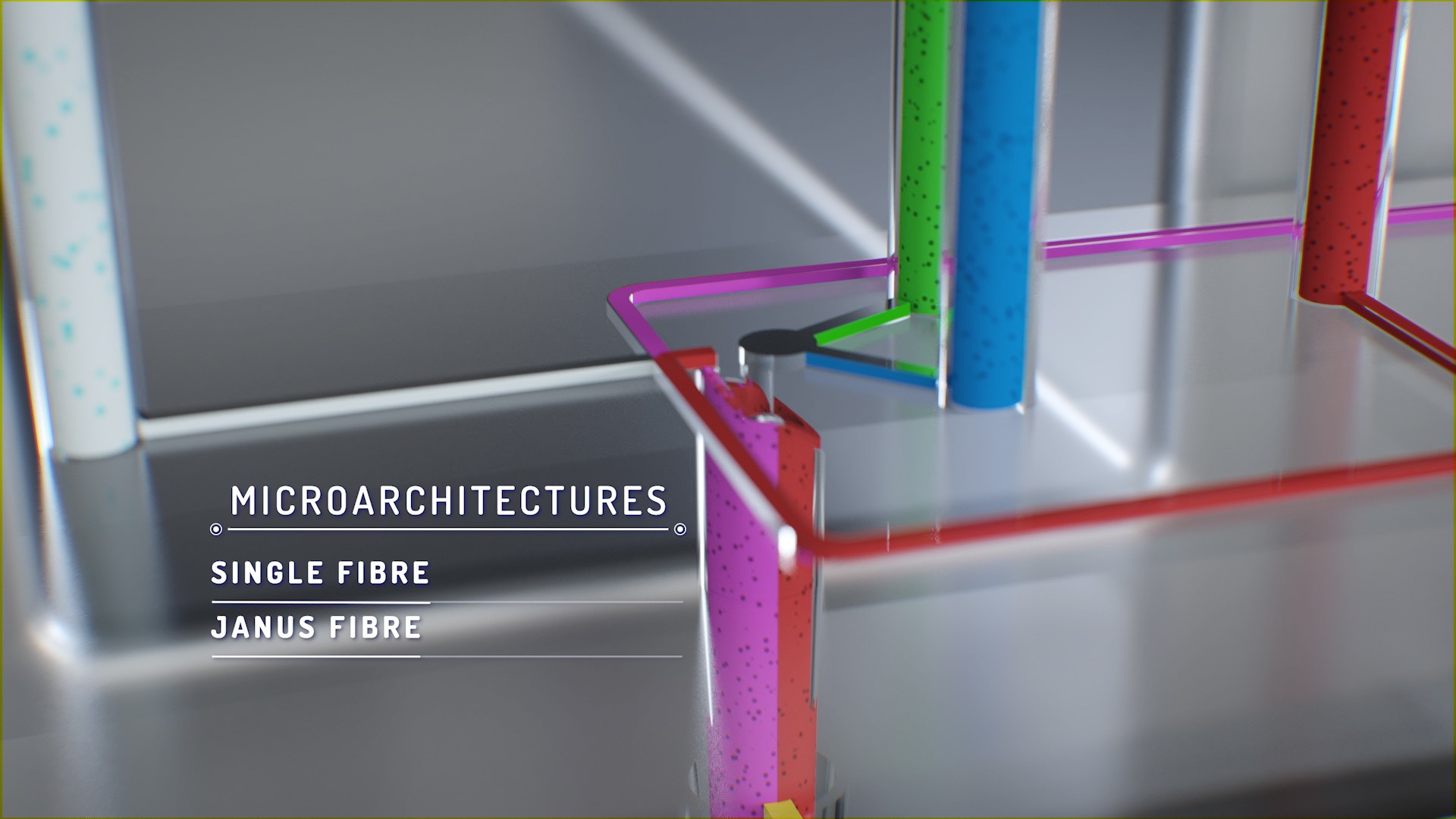
If your organization is planning to invest in visual content, following proven best practices will help ensure your media achieves its goals while remaining fully compliant.
1. Put Scientific Accuracy First
While visual flair is important, medical accuracy is non negotiable. A single incorrect anatomical label or misleading biological motion can ruin a video’s credibility or lead to regulatory rejection. Always involve your medical advisors and compliance teams early in the storyboarding phase. When partnering with a studio for healthcare video animation services, choose a team that has extensive experience navigating healthcare terminology and regulatory standards.
2. Match Tone to the Patient Mindset
The tone of your video must match the emotional state of your viewer. A video about managing a chronic illness requires a warm, supportive, and gentle voice. A video launching a high tech medical device to surgeons can afford to be more dynamic, sleek, and authoritative. Selecting the right voiceover artist, music track, and color scheme is essential for establishing the right emotional connection.
3. Keep Messaging Lean and Focused
A common mistake in medical communication is trying to cram every piece of clinical data into a single two minute video. Overloading viewers with statistics and technical terms causes mental fatigue. Focus on one primary objective per video. If you need to cover multiple complex topics, consider creating a series of short medical explainer videos rather than one overwhelming feature length clip.
4. Build a Consistent Brand Identity
Every piece of video content your organization releases should look like it belongs to the same professional brand family. To achieve this level of uniform polish, consider adding a custom signature sequence using 3D logo production to anchor your video intros and exits. It sets an immediate standard of quality that reassures viewers they are learning from an established industry leader.
5. Plan for Multi Platform Distribution
Your video assets should support your organization across multiple touchpoints. A hero video created for your homepage can be reformatted into short clips for social media, embedded in patient portal emails, or displayed on waiting room screens. When discussing animated healthcare explainer video production with your studio team, plan for different aspect ratios and formats from the start so your content works seamlessly everywhere.
Repurposing Content for Internal Workforce Training
The benefits of digital media in healthcare extend far beyond patient communication and external marketing. Hospital networks, pharmaceutical labs, and device manufacturers must constantly train their staff on new clinical protocols, software updates, and safety rules.
Using traditional text heavy manuals or static presentations for internal education often leads to low engagement and poor information retention. Our specialized training video production workflows address this internal challenge by turning dry guidelines into engaging visual walkthroughs. By using accessible animations, staff can master new protocols quickly, reducing onboarding time and actively preventing costly clinical errors.
Furthermore, medical brands can adapt these internal assets for corporate communications. Whether you need a high level overview for executive board meetings or investor presentations, leveraging expert corporate video production ensures your corporate messaging matches the high standard of your clinical work.
Selecting an Experienced Animation Partner
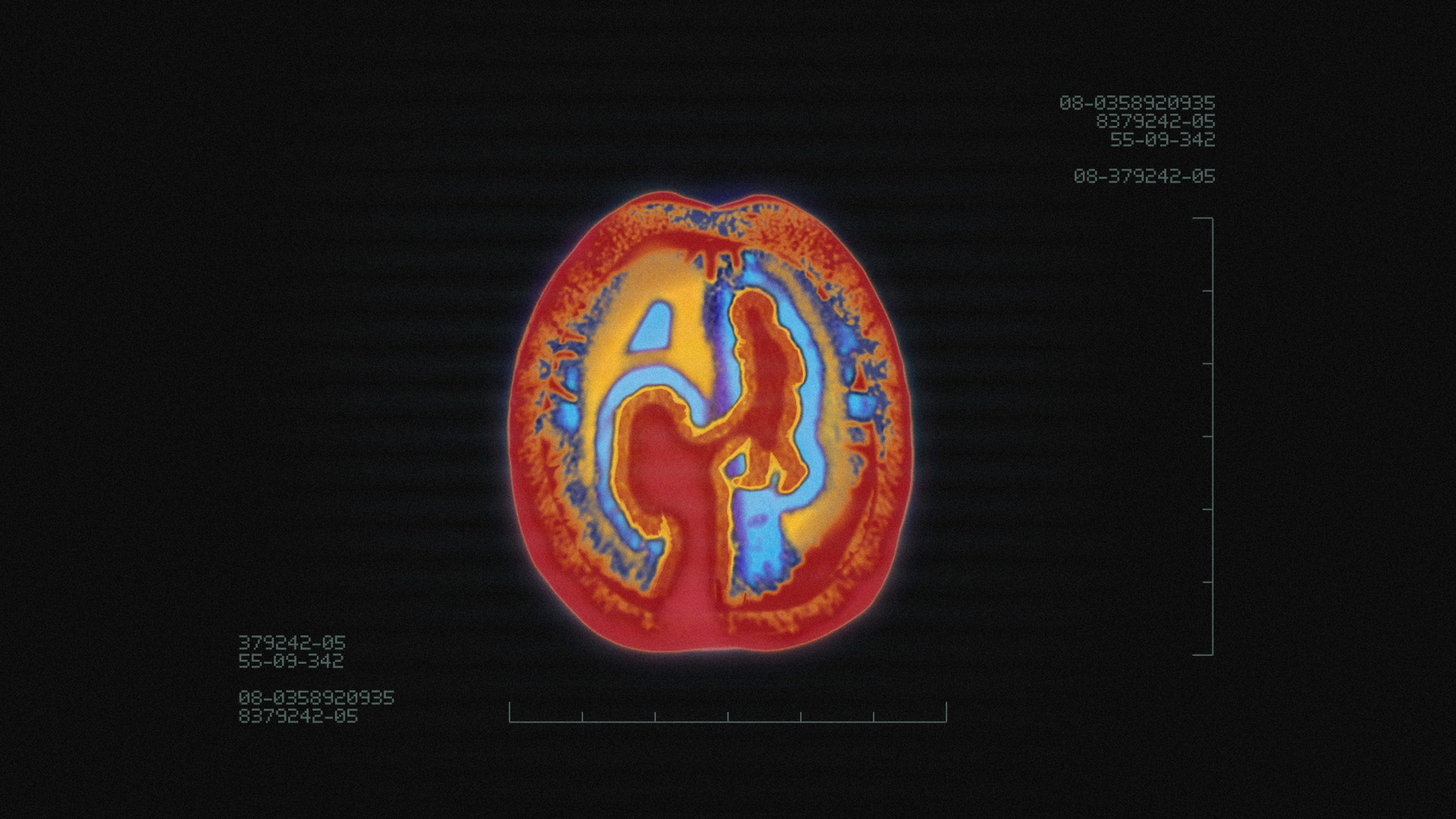
The healthcare sector is heavily regulated, and creating media for it requires a profound sense of responsibility. A generic creative agency might know how to make graphics look modern, but if they lack experience with medical compliance, scientific accuracy, or patient empathy, the final video can fall flat or create major compliance headaches.
Hatch Studios has been a trusted partner in digital media and video creation for decades. Located in Toronto, Canada, our studio has spent over twenty five years producing high end visual content for international healthcare brands, pharmaceutical leaders, and medical device manufacturers. We bring a deep wealth of strategic and practical knowledge to every project. We do not require a long learning curve to understand your clinical terminology or regulatory boundaries.
When you work with us, you are choosing a team that offers full service healthcare explainer video services tailored to your exact organizational goals. From initial concept and script development to final rendering, we ensure a smooth, stress free production journey.
We invite you to explore our wide range of animation styles to see which visual approach fits your brand best. You can also explore our work across various animation industries, check out our past work, or learn more about our team and philosophy. For deep dive industry insights, case studies, and trend analysis, visit our official corporate blog.
Finalizing Your Visual Communication Strategy

The modern healthcare landscape is moving faster than ever, and patient expectations have shifted permanently toward digital first communication. Relying on outdated text pamphlets or dry presentations means risking your connection with modern patients and care providers.
Whether your medical organization needs a warm 2D animated clip for a patient portal, a photorealistic 3D rendering of a scientific concept, or comprehensive animated healthcare video production services for a global product launch, we have the specialized talent, tools, and experience to bring your vision to life. We offer a full suite of professional animation services designed to help medical brands communicate clearly, build lasting trust, and elevate patient care.
When you are ready to transform your complex medical science into engaging, high performance visual stories, visit our official contact page to connect with our creative team today. Let us review your communication goals, study your message, and discover how our specialized healthcare video animation services can bring your vision into spectacular reality.
“”