
Automotive 3D Animation for Product Visualization
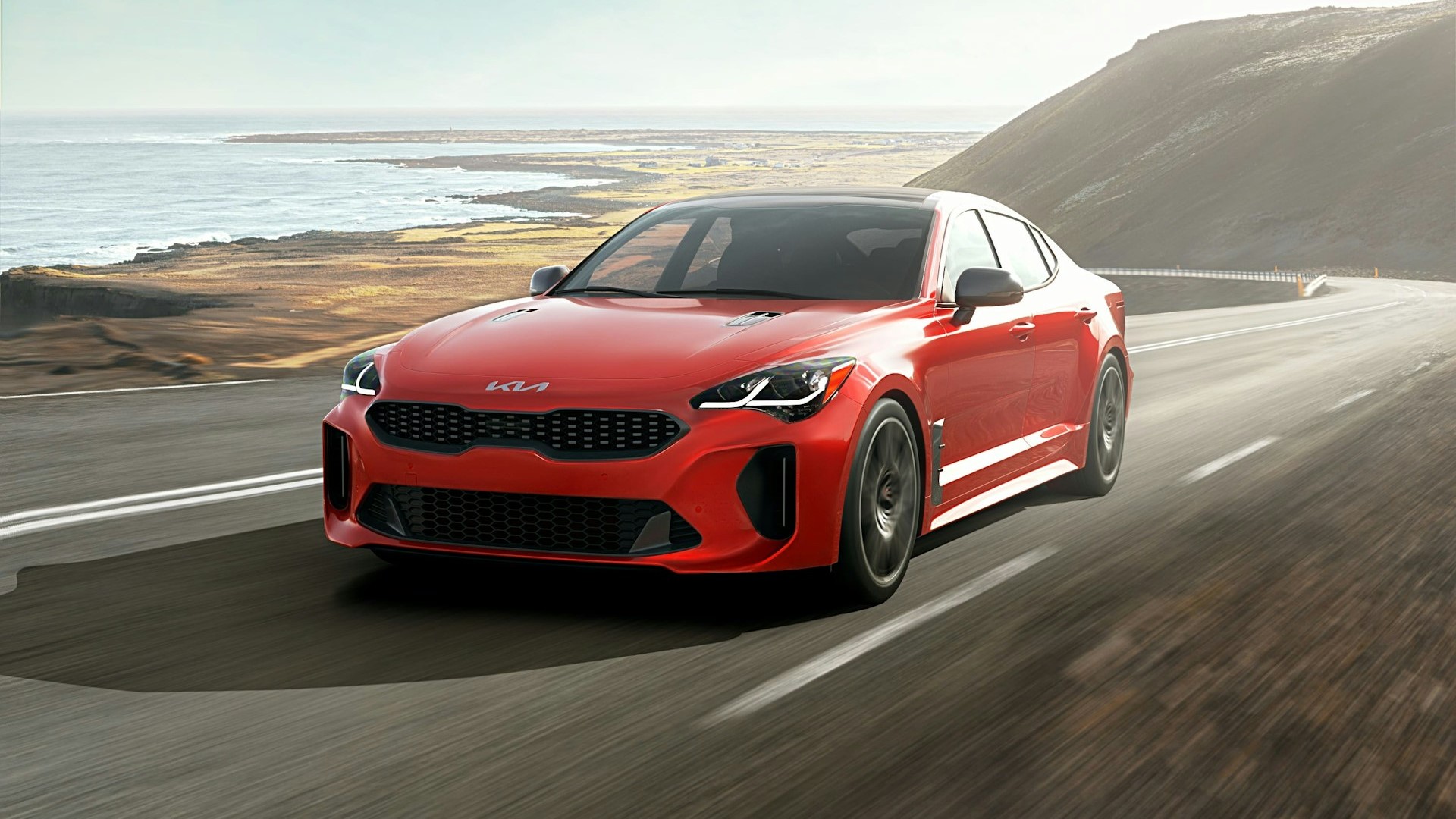
When you look at a sleek new concept vehicle gleaming under studio spotlights, it is easy to assume a camera crew spent days setting up physical sets, tracking shots, and lighting rigs. In reality, some of the most striking car commercials and product reveals on your screen never touched a physical camera. The modern automotive world moves fast, and relying purely on traditional photography means dealing with physical prototype delays, weather shifts, and location logistics. Utilizing Automotive 3D Animation has become the definitive way for vehicle manufacturers and parts developers to showcase engineering marvels before the assembly line even starts rolling.
At Hatch Studios, we have been developing high quality 3D vehicle videos for decades. We have worked alongside world class automotive leaders including Ford, Toyota, GMC, Dodge, and Fiat to produce photorealistic campaign visuals, TV commercials, and interactive digital assets. Whether you are launching a flagship electric truck, unveiling a high performance powertrain, or demonstrating an advanced driver assistance system, digital asset generation gives you total control over every frame. Let us dive into how visual building tools transform vehicle marketing, explore the core benefits for engineering teams, and break down what it takes to produce studio level visuals.
The Shift Toward Virtual Automotive Visualization
To appreciate how far digital modeling has come, you have to look at the massive physical friction involved in old school car shoots. In the past, auto brands had to ship fragile prototype vehicles across the globe, book specialized racetracks or mountain passes, and pray for ideal sunlight. If an engineering update changed the headlight design or front grille mesh midway through production, the entire shoot was ruined, requiring millions of dollars in reshoots.
Digital automotive product visualization removes those physical roadblocks completely. By converting CAD engineering files directly into studio ready digital geometry, we build virtual camera environments where lighting, weather, and surroundings are completely under control. We can place a concept car on a rain slicked urban street at midnight, on a dusty mountain pass at sunset, or inside a stark, futuristic laboratory, all without leaving the studio.
Furthermore, virtual tools allow us to show what live cameras simply cannot capture. Through digital vehicle animation, we can peel back the aluminum body panels in mid motion to reveal the internal electric battery architecture, showcase the precise airflow vectors over an aerodynamic rear wing, or demonstrate how suspension components react to rough terrain in slow motion. It transforms a standard car commercial into an immersive technical experience.
Why Virtual Renders Outperform Physical Camera Shoots

The decision to choose digital assets over physical photography is not just about looking modern. It provides tangible strategic advantages across your entire product launch cycle.
1. Cost Effective Asset Generation
Building physical clay prototypes or shipping hand built pre production vehicles to remote filming locations involves astronomical costs. Digital automotive 3d rendering eliminates the need for physical cars on set during early marketing phases. You can create broadcast quality commercials, print assets, and social media teasers directly from the initial design engineering data long before manufacturing begins.
2. Infinite Customization and Configuration
Modern car buyers expect options. They want to see how a vehicle looks in eight different paint finishes, three trim levels, and with various wheel packages. Capturing every combination with physical cars requires an entire fleet. In a digital sandbox, swapping paint shaders, interior leather textures, or rim options takes a fraction of the time. This flexibility powers interactive web configurators, allowing potential buyers to customize their dream car online with photorealistic accuracy.
3. Absolute Environmental and Lighting Control
Real world weather is unpredictable. A sudden cloud cover or rainstorm can stall a multi million dollar location shoot for days. In a studio rendering environment, we control the sun angle, atmosphere, lens reflections, and studio spotlights down to the exact degree. We can create pristine reflections along a car sweeping shoulder line that remain completely uniform across every shot in a commercial.
4. Rapid Iterations for Design Updates
Automotive engineering moves through constant refinement passes. If a design team modifies the side mirror geometry, updates the alloy wheel spokes, or adjusts the ground clearance late in the campaign timeline, we do not need to reshoot. We simply re import the updated CAD geometry into our 3D software, link it to our existing camera paths, and re render the sequence.
The Technical Steps Behind Studio Grade Vehicle Motion
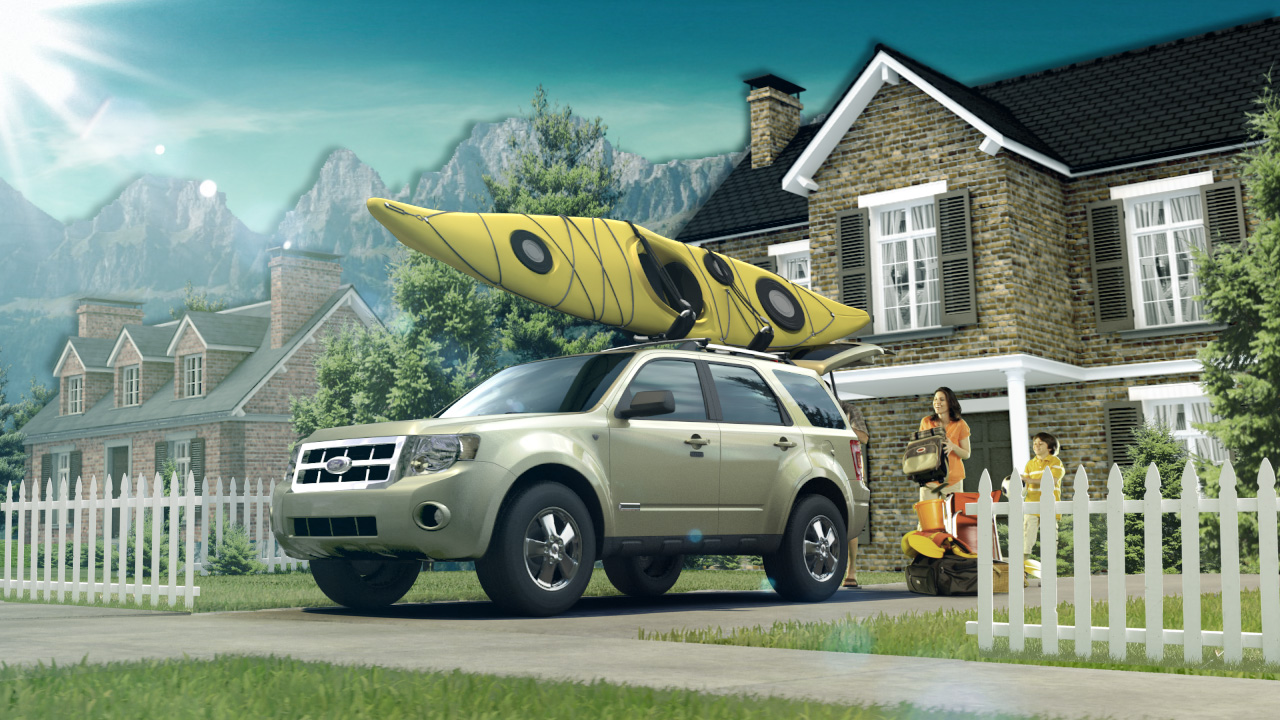
Creating a photorealistic 3d car animation requires a seamless mix of artistic direction and high end computer physics. Here is a look inside our studio workflow at Hatch Studios when we bring digital vehicles to life.
  PRE PRODUCTION             PRODUCTION               POST PRODUCTION
┌─────────────────┐     ┌──────────────────┐     ┌───────────────────┐
│ CAD Data Prep   │     │ Shading & Materials│   │ Compositing &     │
│ Rigging & Physics│ ──►│ Lighting & Cameras│ ──►│ Visual Effects    │
│ Storyboarding   │     │ Rendering        │     │ Sound Design      │
└─────────────────┘     └──────────────────┘     └───────────────────┘
1. CAD Data Optimization and Surface Prep
Automotive engineers design cars using CAD software focused on manufacturing tolerances, resulting in heavy files packed with internal bolts, brackets, and unseen mechanical parts. Our first step is preparing and cleaning this data. We isolate the visible exterior and interior surfaces, rebuild the polygon topology, and smooth out the curved panels so light glints seamlessly across the bodywork without any jagged digital edges.
2. Suspension and Tire Physics Rigging
A car does not just slide across a flat grid plane. When a real vehicle accelerates, the rear suspension compresses, the nose dips slightly under heavy braking, and the tires flex as they grip the asphalt during a sharp turn. To make a 3d vehicle animation feel authentic, our technical directors build realistic physics rigs. We simulate body roll, tire deformation, steering angle geometry, and shock absorber bounce so the movement mirrors real world dynamics.
3. Material Science and Shader Creation
What separates a cheap video game car from a broadcast quality commercial asset is shader accuracy. Vehicle surfaces feature complex multi layered materials. Car paint consists of a base primer, metallic flake layers, clear coats, and surface reflections. Glass features refraction, subtle tinting, and interior reflections. Our artists craft custom physical shaders that simulate how real light bounces off clear coat finishes, textured dashboard leather, carbon fiber weaves, and brushed aluminum accents.
4. Cinematic Camera Choreography and Environment Design
Once the car model and materials are locked, we build the virtual world around it. Whether we are designing an organic desert highway or a moody studio lighting rig, we set up cinematic camera moves using virtual lenses that match real Hollywood film setups. We use dynamic tracking shots, low angle wheel passes, and slow sweeping overhead reveals to highlight the vehicle aggressive stance and design language.
5. High End Rendering and Compositing
Calculating complex multi bounce ray tracing, motion blur, and realistic glass reflections requires immense processing power. Once the raw passes are rendered, our compositing team adds the final layers of polish. Using advanced visual effects production, we integrate realistic tire smoke, kicks of dust, atmospheric road haze, lens flares, and color grading to merge the car seamlessly with its environment.
Applications Across the Automotive Ecosystem
The benefits of 3d animation in automotive design reach far beyond classic thirty second television commercials. The versatility of 3D assets allows auto brands to support their marketing, sales, and engineering teams simultaneously across multiple touchpoints.
Broadcast Commercials and Digital Campaigns
High energy TV spots and online video ads rely heavily on dramatic visuals to build brand prestige. Whether showcase a rugged truck tackling extreme off road mud or a sleek electric sedan gliding silently through a night skyline, high performance visual assets capture viewer focus instantly. We have designed numerous broadcast campaigns where fully digital vehicles blend seamlessly with live action backgrounds, giving marketing directors complete creative freedom without location constraints.
Feature Explainer Content and Mechanism Demos
Modern cars are essentially supercomputers on wheels. Explaining complex safety features like automatic emergency braking, adaptive cruise control, or blind spot radar sensors using text alone can be tough. Through targeted explainer video production techniques, we can make the car body semi transparent, highlighting active radar waves in glowing colors as the vehicle navigates traffic. This makes complex safety tech easy for prospective buyers to understand.
Trade Show Reveals and Digital Showrooms
When unveiling a new concept car at major international auto shows or digital press events, brands need massive high resolution visuals for giant LED walls. We create ultra high definition renders that display every curve and texture of the vehicle at massive scale, giving physical press conferences an unforgettable cinematic backdrop.
Internal Engineering and Corporate Presentations
Before a vehicle ever gets greenlit for mass production, auto executives, investors, and board members must evaluate the project. Using high end corporate video production workflows, we construct clear visual walkarounds that showcase interior ergonomics, cargo space modularity, and assembly line design choices, securing crucial executive approval early in the development timeline.
Repurposing Digital Assets for Maximum ROI
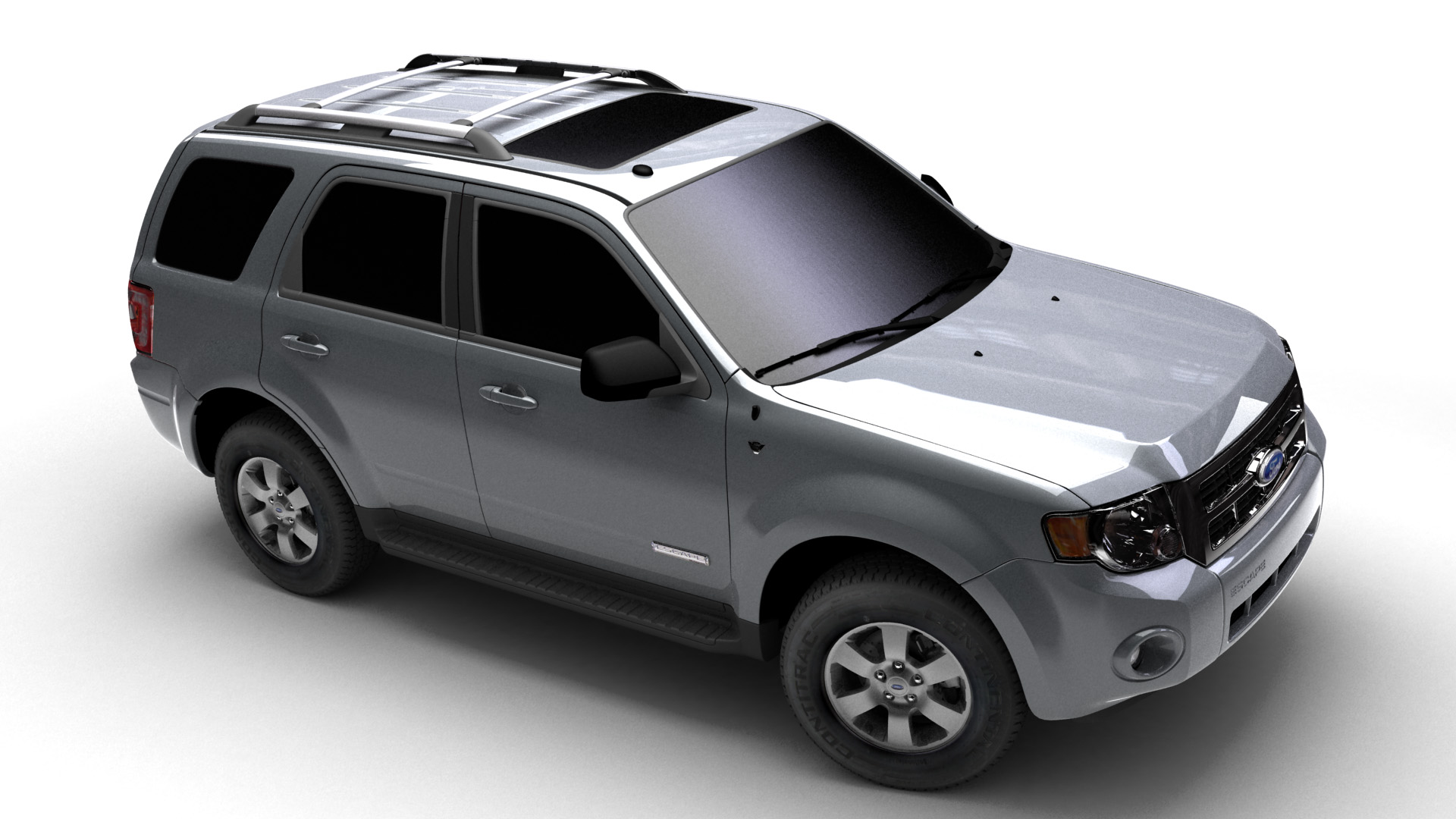
A major advantage of investing in a custom 3D vehicle build is the incredible reusability of the files. When you create a pristine digital car asset, you are building a permanent corporate library that supports your marketing team for years.
The exact same 3D model used in your hero broadcast commercial can be passed to our product video production team to render high resolution static imagery for print brochures, outdoor billboards, and web banners. Short ten second clips can be reformatted vertically for social media ad campaigns. If your team launches a special edition trim with dark chrome accents or new wheel options next year, we simply reload the master scene file, adjust the trim options, and hit render.
To wrap your entire media footprint in a unified luxury style, we often recommend pairing your vehicle assets with a custom 3D logo production sequence. Having your brand emblem catch the light with the same metallic sheen as the car body gives your video library an authoritative signature that commands immediate consumer respect.
Why Experience Matters in Vehicle Animation
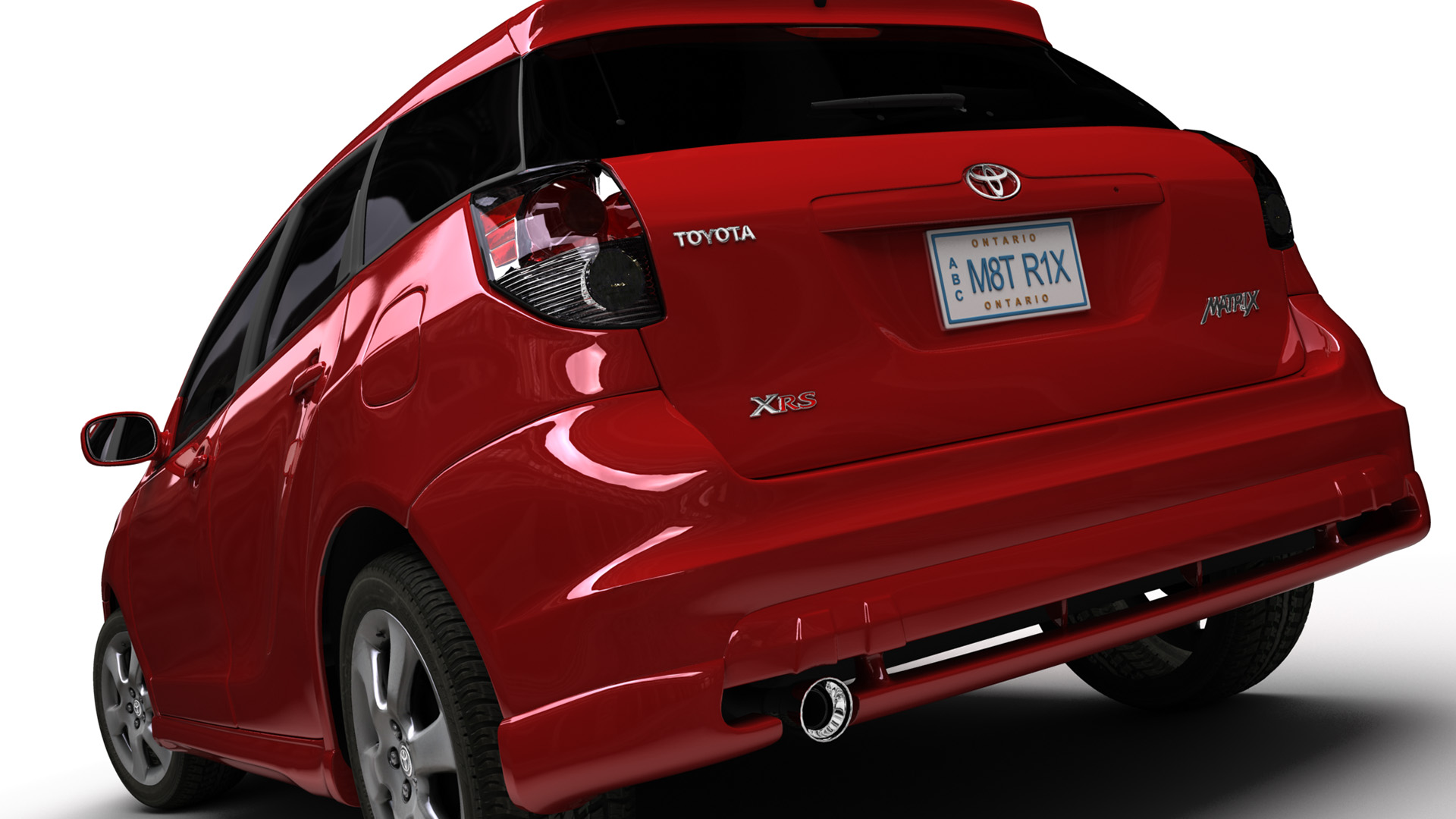
Simulating automotive beauty is one of the toughest challenges in digital art. Human eyes are exceptionally good at spotting subtle flaws in car reflections, tire movement, and metallic paint finishes. If a car movement feels slightly off or the paint reflections look plastic, the viewer subconsciously perceives the vehicle as cheap or fake.
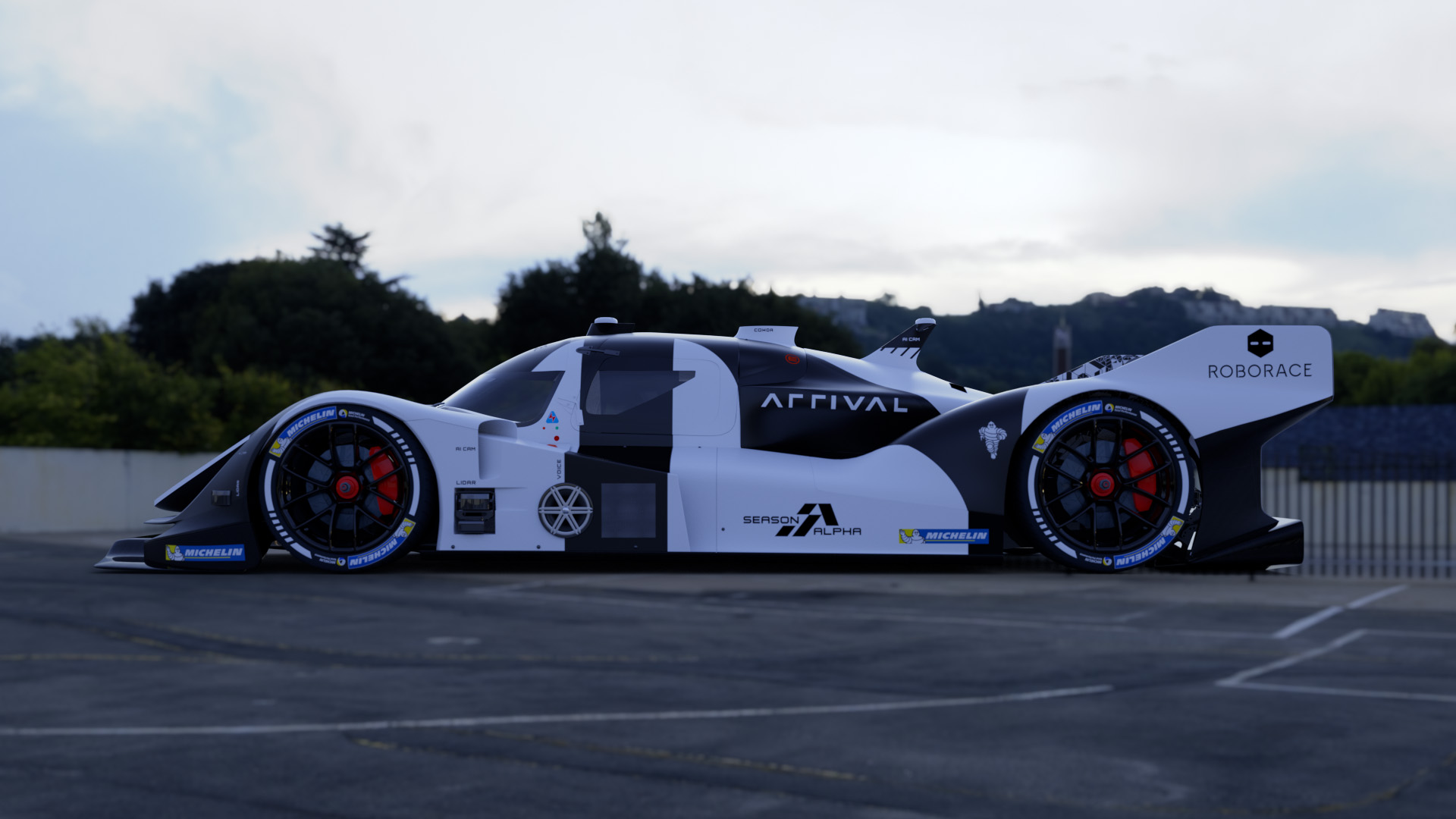
Hatch Studios has been a trusted force in automotive video production and digital visual effects for over twenty five years. Owned and operated by Creative Director Richard Rosenman, our team has built photorealistic campaigns for major global manufacturers, specialized mining vehicles, and futuristic autonomous racing platforms like Roborace Devbot. We understand the exact nuances of vehicle design, lighting reflections, and mechanical motion, allowing us to deliver broadcast quality visuals that exceed expectations.
We bring a deep wealth of experience across dozens of animation industries, from healthcare and technology to global logistics and entertainment. We take the friction out of production by offering full service pipelines, including concept storyboarding, voiceover recording, dynamic sound design, and post production color grading.
You can learn more about our creative history, explore our global portfolio of past work, or read in depth technical breakdowns on our official corporate blog.
Elevating Your Next Vehicle Launch

The automotive industry is evolving rapidly, with electric powertrains, autonomous tech, and modern digital interfaces reshaping what drivers expect from a vehicle. Standing out in this competitive market requires a visual presentation that is bold, clear, and undeniably premium.
Whether your company needs a photorealistic 3D car animation for a national television commercial, interactive digital assets for an online configurator, or clean marketing video production tools for a global launch, we have the specialized talent, tools, and decades of studio experience to bring your vision into reality. We offer a complete suite of professional animation services designed to help auto brands connect emotionally with drivers worldwide.
When you are ready to stop relying on restrictive physical shoots and start building high performance visual assets that elevate your brand, visit our official contact page to get in touch with our creative team today. Let us review your CAD design data, study your campaign goals, and discover how our specialized 3D capabilities can bring your vehicle into magnificent, photorealistic reality.
“”