
What is 3D Architectural Animation?
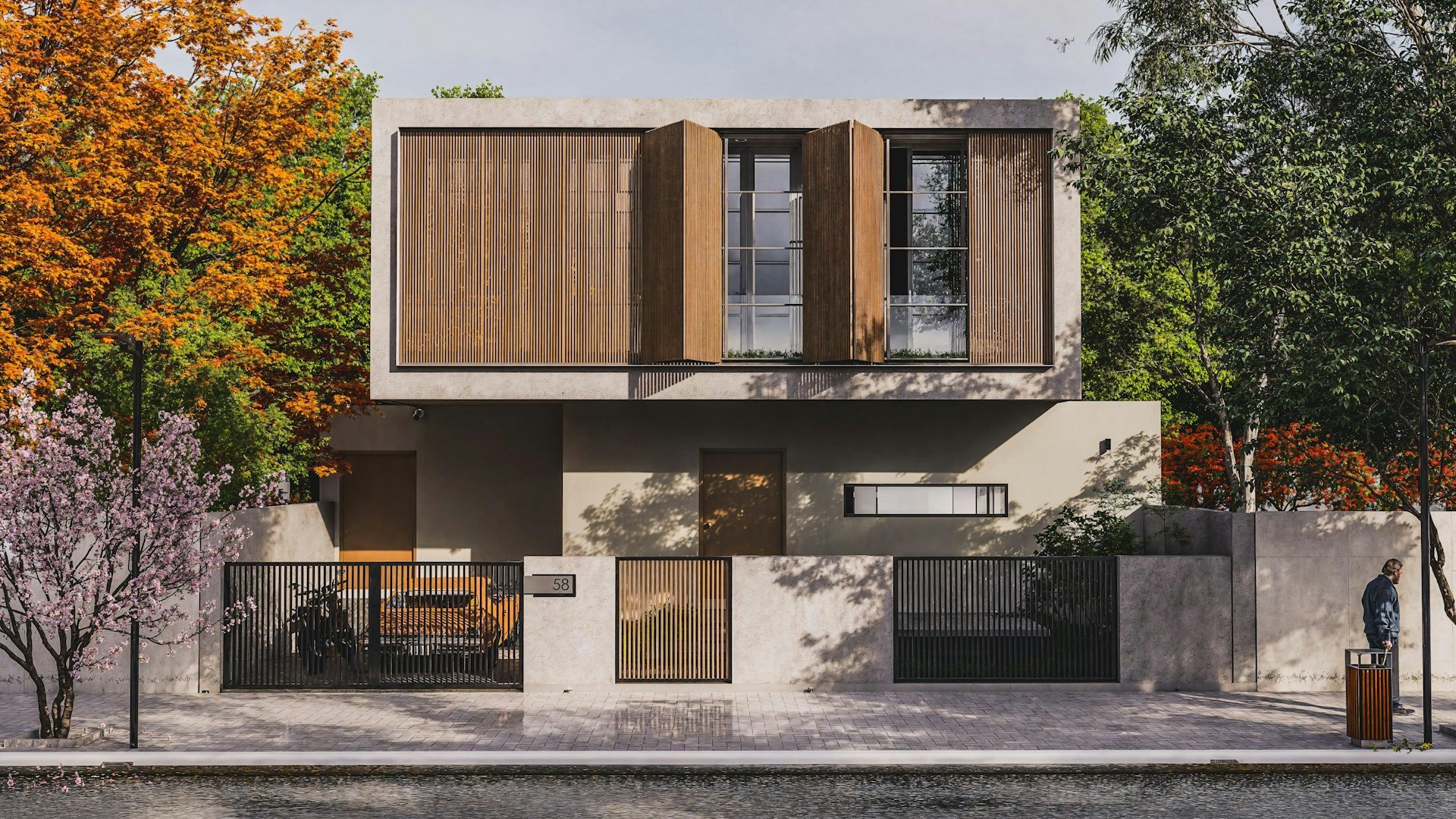
When you walk past a massive development site or look at plans for a futuristic skyscraper, it can be really tough to picture what the finished space will actually feel like. Flat blueprints, physical scale models, and static renderings only tell a tiny part of the story. This is where modern Architecture 3D Animation completely transforms how real estate developers, architects, and urban planners communicate their visions. By combining digital geometry, realistic lighting, and cinematic camera movement, animated visual tours bring unbuilt spaces to life long before the first shovel ever hits the dirt.
At Hatch Studios, we have been developing high quality architectural animation for decades. We have spent over twenty years watching software evolve and helping property developers, architects, and design agencies turn complex blueprints into breathtaking digital walkthroughs. Over the years, we have learned that a great visual tour is much more than a flyby of a digital building model. It is a compelling narrative journey that captures human emotion, showcases lifestyle potential, and secures crucial stakeholder buy in. In this comprehensive guide, we will explore what goes into creating these immersive visual tours, how they work, and why they have become an essential tool for modern property design and real estate marketing.
Defining the Art of Visual Building Tours
To truly understand why moving visual tours are so effective, we need to look at what sets them apart from traditional static renderings. In simple terms, a 3d architectural animation is a short digital film that showcases a planned building, interior space, or urban layout before physical construction begins. Instead of looking at a single frozen image of a lobby or an exterior facade, the viewer gets to experience a smooth cinematic journey through the entire environment.
The process blends computer graphics, architectural drafting, interior design principles, and Hollywood film production techniques. Cameras sweep through sunlit living rooms, glide past landscaped courtyards, and soar high above sprawling commercial complexes. Because the entire environment lives inside a virtual sandbox, creators have total control over the time of day, weather conditions, lighting moods, and interior decor. This allows potential buyers and investors to experience the spatial flow, architectural volume, and overall atmosphere of a space in a way that static blueprints simply cannot replicate.
Why Moving Visuals Outperform Traditional Blueprints

There is a powerful psychological reason why interactive visual movement dominates real estate marketing and project approvals today. Human beings do not experience physical spaces from a single stationary point of view. We move through rooms, look up at ceilings, notice how natural sunlight moves across floor boards, and observe how different spaces connect to one another. Static drawings require the viewer to do heavy mental lifting to imagine what standing inside the space would actually feel like.
By choosing a custom 3D walkthrough animation instead of relying purely on flat drawings, developers remove all the guesswork for their audience. When prospective buyers watch a virtual camera move through a penthouse kitchen and out onto a private balcony at sunset, their emotional connection to the property skyrockets. They stop trying to decipher technical floor plans and start imagining their daily lives inside the home.
This emotional connection directly speeds up pre sales cycles, helps secure municipal planning approvals, and attracts institutional investors. Whether you are pitching a luxury residential tower or a multi million dollar commercial hub, presenting your vision through high end architectural 3d animation builds immediate confidence and establishes your project as an elite, premium offering.
Breaking Down the Production Workflow
Building a photorealistic virtual walkthrough is a meticulous multi step journey that requires both artistic talent and technical precision. At Hatch Studios, our proprietary animation process is structured around collaborative milestones to ensure that every architectural detail aligns perfectly with the original design intent.
1. Translating Blueprints into Virtual Geometry
The journey begins by importing CAD drawings, Revit files, or 3D CAD models into specialized animation software. Digital artists build the precise structural geometry of the project, including walls, structural columns, staircases, rooflines, and windows. This phase sets up the spatial accuracy of the building so that every proportion matches the real world engineering plans down to the millimeter.
2. Setting up Camera Paths and Pacing
Once the virtual structure is built, the team acts like a film crew inside the digital space. We set up camera paths, select virtual lenses, and establish cinematic angles. This step establishes the narrative rhythm of the walkthrough, determining how the camera glides from the grand entrance into the main living areas or flies across exterior amenities.
3. Applying Materials, Shaders, and Texturing
Unpainted digital geometry looks like a grey clay sculpture. To bring it to life, texturing artists apply high resolution material profiles to every surface. They program how light interacts with polished marble counter tops, brushed brass fixtures, hardwood grain, textured concrete, and reflective glass. This level of detail is essential for creating authentic photorealism.
4. Lighting design and Atmospheric Moods
Lighting is what turns a basic 3d architecture animation into an emotional work of art. Artists place digital suns, ambient sky domes, interior recessed spotlights, and accent lamps throughout the scene. We can simulate bright morning sunlight streaming through floor to ceiling windows, warm golden hour reflections across an exterior glass facade, or sophisticated evening lighting setups that showcase interior ambiance.
5. Populating the Environment with Life
A building without people, furniture, or vegetation can feel cold and abandoned. To make the space feel authentic and lived in, artists populate the scene with high quality interior furnishings, decor, realistic greenery, cars, and subtle ambient motion like rustling trees or passing clouds. Adding these lifestyle details transforms a structural shell into a vibrant community.
6. Rendering, Compositing, and Audio Integration
Calculating millions of light bounces, glass refractions, and surface shadows across thousands of video frames requires immense computing power. Once the raw frames are rendered, compositing artists refine color grading, adjust atmospheric depth, and add subtle lens effects. Finally, sound designers layer in background music and ambient audio cues, such as gentle breezes or soft footsteps, to complete the immersive experience.
Exploring Diverse Architectural Applications
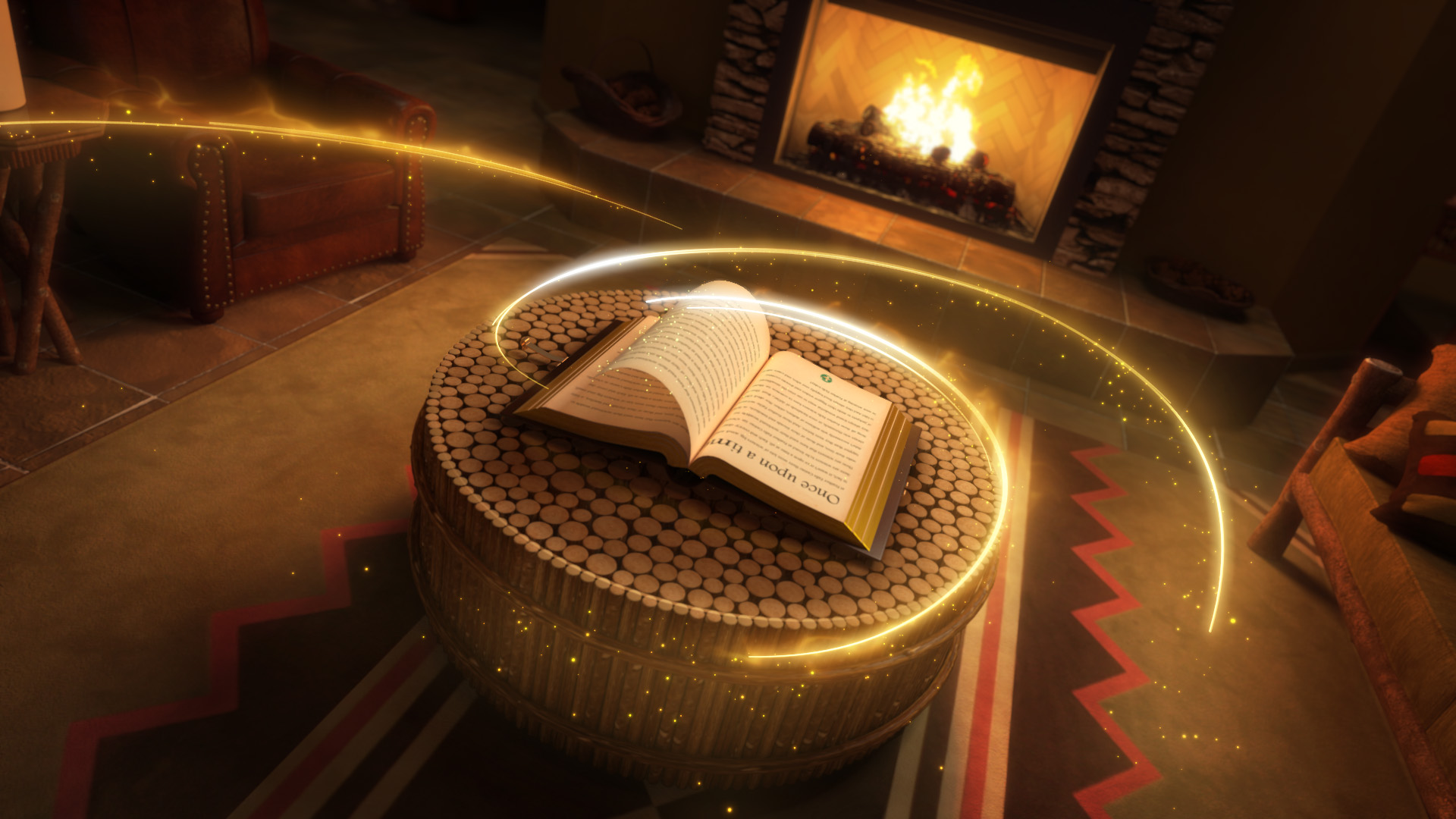
One of the greatest benefits of digital visualization technology is its incredible versatility across different industries and project types. Because the entire build exists inside a digital pipeline, we can adapt our visual techniques to suit a wide range of corporate goals.
Luxury Residential Real Estate Marketing
For residential home builders and condominium developers, selling units before construction begins is critical for project financing. High end 3d architectural animations allow marketing teams to create compelling launch campaigns, social media teasers, and sales center presentations. Prospective homeowners can take a virtual tour of their future condo, view amenities like rooftop pools and fitness centers, and choose finish packages with complete visual certainty.
Commercial and Retail Property Development
When pitching prospective corporate tenants or retail anchor stores, commercial developers must demonstrate operational efficiency, foot traffic flow, and brand visibility. By leveraging specialized 3D animation production, we can showcase how an office lobby handles peak morning rushes, how retail storefronts integrate with pedestrian plazas, and how flexible layout options adapt to corporate tenant needs.
Large Scale Urban Planning and Master Plans
Visualizing a multi block master planned community, transit hub, or municipal park requires showing how new structures blend into existing urban landscapes. Using aerial camera paths and wide angle views, a multi building 3d architectural animation studio can demonstrate traffic circulation, green space distribution, shadow impact studies, and neighborhood integration for public consultation hearings and city council approvals.
Hospitality and Resort Destination Design
Hotels, resorts, and entertainment complexes rely heavily on atmospheric storytelling. A visual tour can showcase the arrival experience from the main entrance drive to the open air lounge, highlighting luxury amenities, spa facilities, and oceanfront dining spaces. It allows resort operators to market destination experiences long before physical groundbreaking.
Enhancing Real Estate Marketing Pipelines
Modern real estate marketing demands content that performs across multiple digital channels. Spending your marketing budget on an isolated visual asset that only lives in one place is a missed opportunity. A comprehensive visual pipeline provides reusable assets that support your sales strategy from initial announcement to final closeout.
When our team builds a high resolution virtual environment for a property campaign, those digital assets can be repurposed across your entire marketing ecosystem. The main hero video anchors your project website landing page, while short fifteen second clips can be formatted vertically for mobile social media advertising. Static high resolution images can be pulled directly from the animated camera paths for print brochures, billboards, and sales center lightboxes.
To wrap your real estate presentation in a luxury cohesive aesthetic, we often recommend incorporating a custom 3D logo production sequence for your property branding. Having the project emblem catch the light and settle onto the screen gives your entire video presentation a cinematic signature that commands immediate authority.
Bridging the Gap Between Technical Design and Creative Art
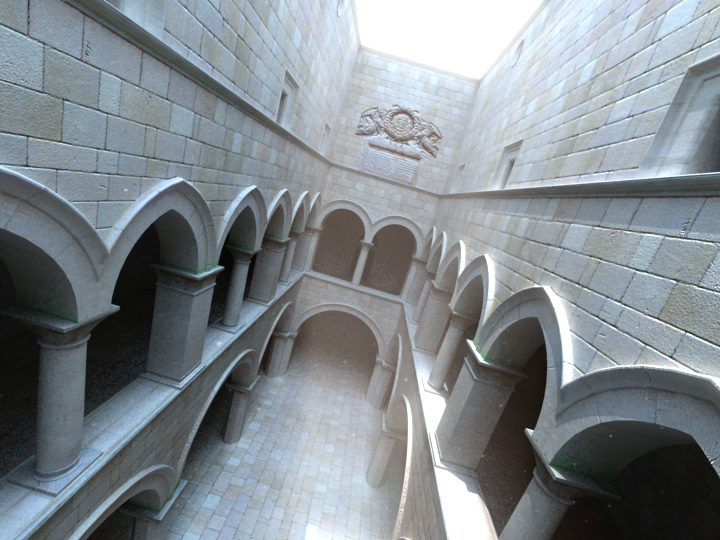
While technical precision is crucial for architectural accuracy, artistic direction is what truly grabs human emotion. A generic video built using automated software templates often feels stiff, unnatural, and sterile. Real emotional engagement requires a balance of architectural understanding and cinematic flair.
This is where working with an experienced 3d architectural animation studio makes all the difference. Professional designers understand color theory, visual hierarchy, camera focal lengths, and narrative pacing. They know how to use soft lighting to make a bedroom feel cozy, or how to use dynamic low camera angles to emphasize the majestic height of a skyscraper lobby.
Our creative team brings decades of experience from the entertainment and commercial advertising worlds into the visualization space. By pairing advanced computer graphics with proven storytelling techniques, we ensure that your property presentation is not just structurally correct, but visually unforgettable.
Expanding Utility for Corporate and Internal Communication
Beyond consumer facing real estate sales, visual building walkthroughs offer immense value for internal corporate management, stakeholder alignment, and workforce education.
For global corporations planning new regional headquarters or facility overviews, an internal corporate video production asset can share the company vision with executive boards and international partners. It allows leadership teams to review design choices, evaluate spatial functionality, and build corporate excitement well before moving day.
Furthermore, these virtual assets can be adapted for specialized training video production and facility onboarding. Industrial plants, healthcare facilities, and complex data centers can use animated environmental tours to train staff on emergency exit routes, maintenance procedures, and operational workflows in a completely safe virtual setting.
Selecting the Right Visualization Partner
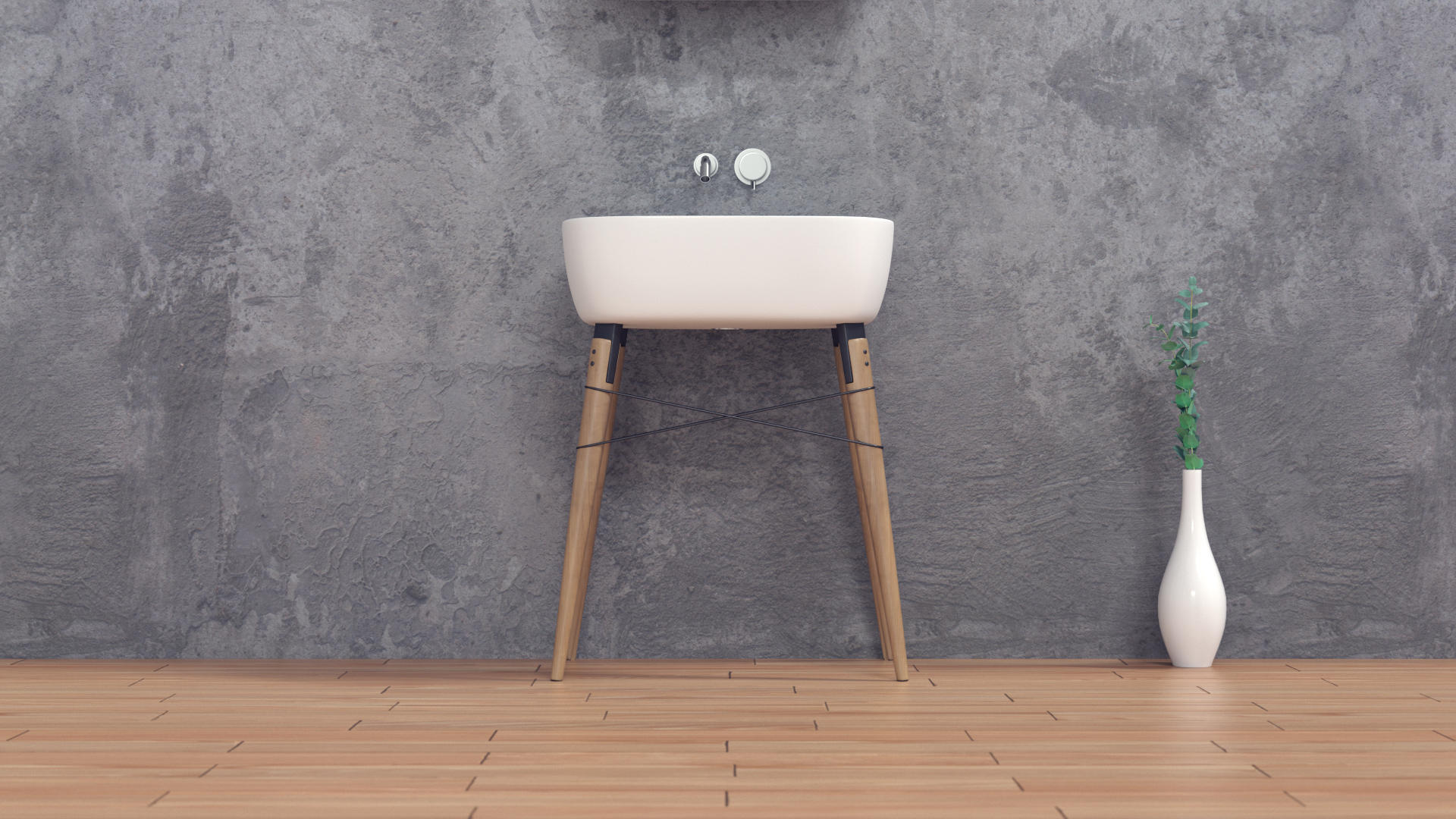
The digital marketplace is filled with cheap automated online visual tools and overseas template services that promise instant renderings for low prices. However, when millions of dollars in real estate development capital or pre construction sales are on the line, relying on a generic shortcut can severely damage your brand credibility. Cheap animations often suffer from unnatural lighting, distorted proportions, awkward camera motions, and low resolution textures that make luxury properties look cheap.
Hatch Studios has been a stable, trusted leader in digital visualization and video creation for decades. Owned and managed by Creative Director Richard Rosenman, our studio has spent over twenty five years producing high end visual content for major global brands, agencies, and real estate leaders. We treat every project as a bespoke creative partnership, tailoring our visual techniques to match your exact project goals, timeline, and budget.
Our extensive history across diverse animation industries means we bring a deep wealth of creative and technical knowledge to every build. We know how to navigate complex design files, collaborate seamlessly with architectural teams, and deliver broadcast quality assets that exceed client expectations.
We invite you to learn more about our creative history, explore our global portfolio of past work, or read in depth industry guides on our official corporate blog.
The Future of Architectural Visualization

As visual technology continues to accelerate, the line between physical reality and digital rendering will become even thinner. Real time rendering engines, virtual reality walkthroughs, and interactive spatial experiences are allowing audiences to explore planned environments with unprecedented freedom.
However, no matter how advanced the rendering tools become, the core requirement for successful property marketing remains unchanged. Human beings respond to clear storytelling, beautiful aesthetics, and genuine emotion. A well crafted visual tour will always be the most effective way to communicate spatial design, build buyer trust, and bring unbuilt architectural dreams into clear focus.
Whether you are launching an exclusive luxury residential development, pitching a commercial office tower, or seeking approvals for a complex urban master plan, we have the artistic talent, technical tools, and decades of studio experience to bring your vision to life flawlessly. We offer a complete range of professional animation services to help you tell your property story with unmatched clarity and style.
If you are ready to elevate your real estate marketing and showcase your architectural designs through stunning visual movement, visit our official contact page to connect with our creative team today. Let us review your architectural blueprints, discuss your project goals, and discover how our specialized 3d architectural animation services can turn your building plans into an extraordinary, high performance visual reality.