
What is the Difference Between a 3D Logo and an Animated Logo?
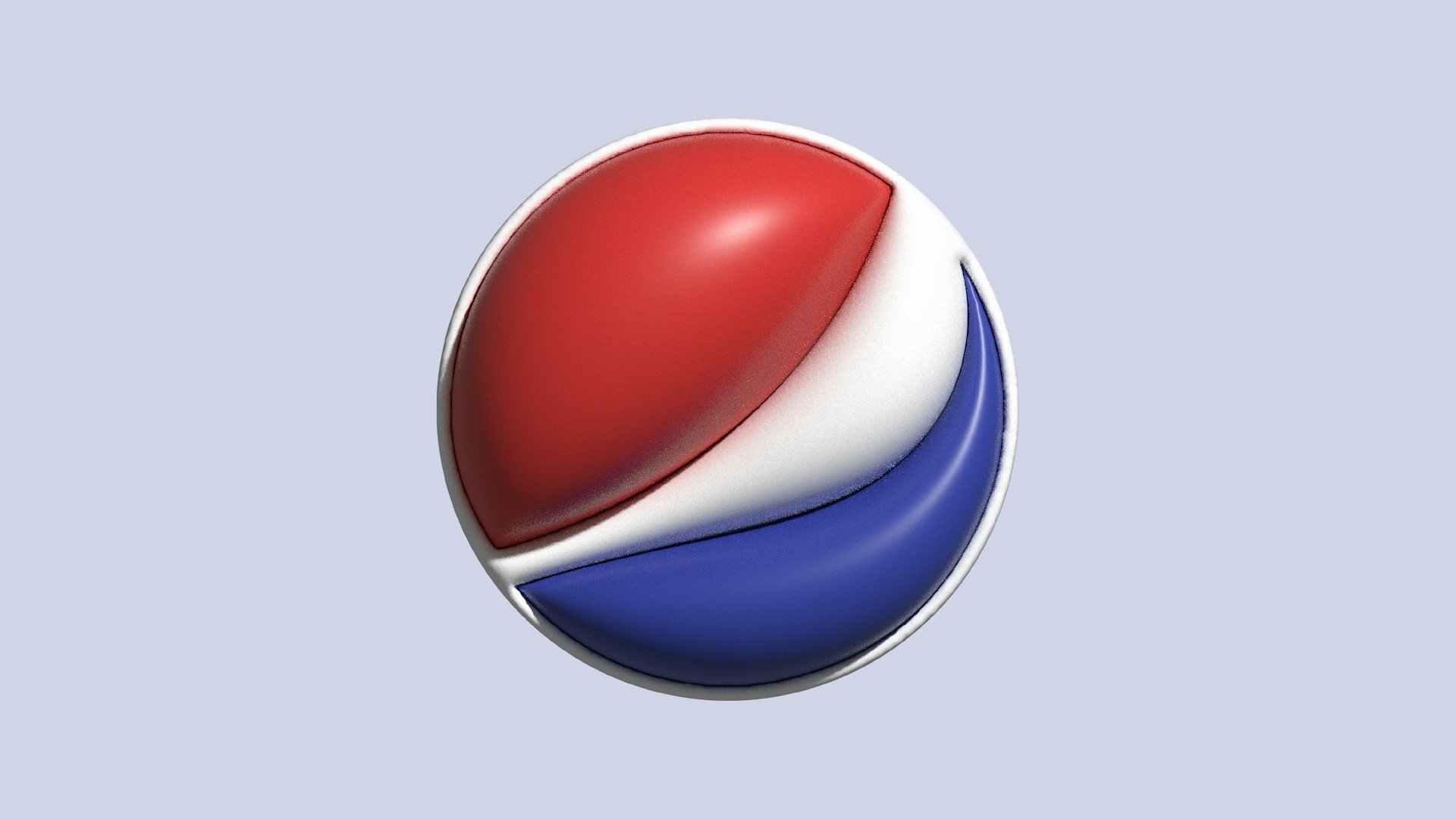
Logos are no longer static symbols that sit quietly on a website or business card. Today, brands are using motion to stand out, connect emotionally, and stay memorable. If you have ever wondered whether you need a 3d logo or a logo that is animated using other techniques, you are not alone. The difference matters more than most people realize, especially when it comes to engagement, brand perception, and sales.
In this article, we will break down the real differences between a 3d logo, a 3d animated logo, and logos animated using other styles like 2D motion graphics. We will also explore how each option can boost brand recognition, improve marketing performance, and create stronger audience connections. No technical jargon, no overcomplication, just a clear and honest look at what works and why.
Why Animated Logos Matter More Than Ever
Before diving into the technical differences, it helps to understand why logo animation has become so popular. We live in a scroll heavy world. Social media, video platforms, websites, and digital ads are packed with content competing for attention.
A moving logo naturally draws the eye. Motion triggers curiosity. It creates a moment where people pause and pay attention. That pause is powerful.
Whether it is a subtle animated logo or a fully cinematic 3d logo animation, movement makes a brand feel modern, confident, and intentional. It shows effort. It shows polish. And most importantly, it makes a brand easier to remember.
What Is a 3D Logo?
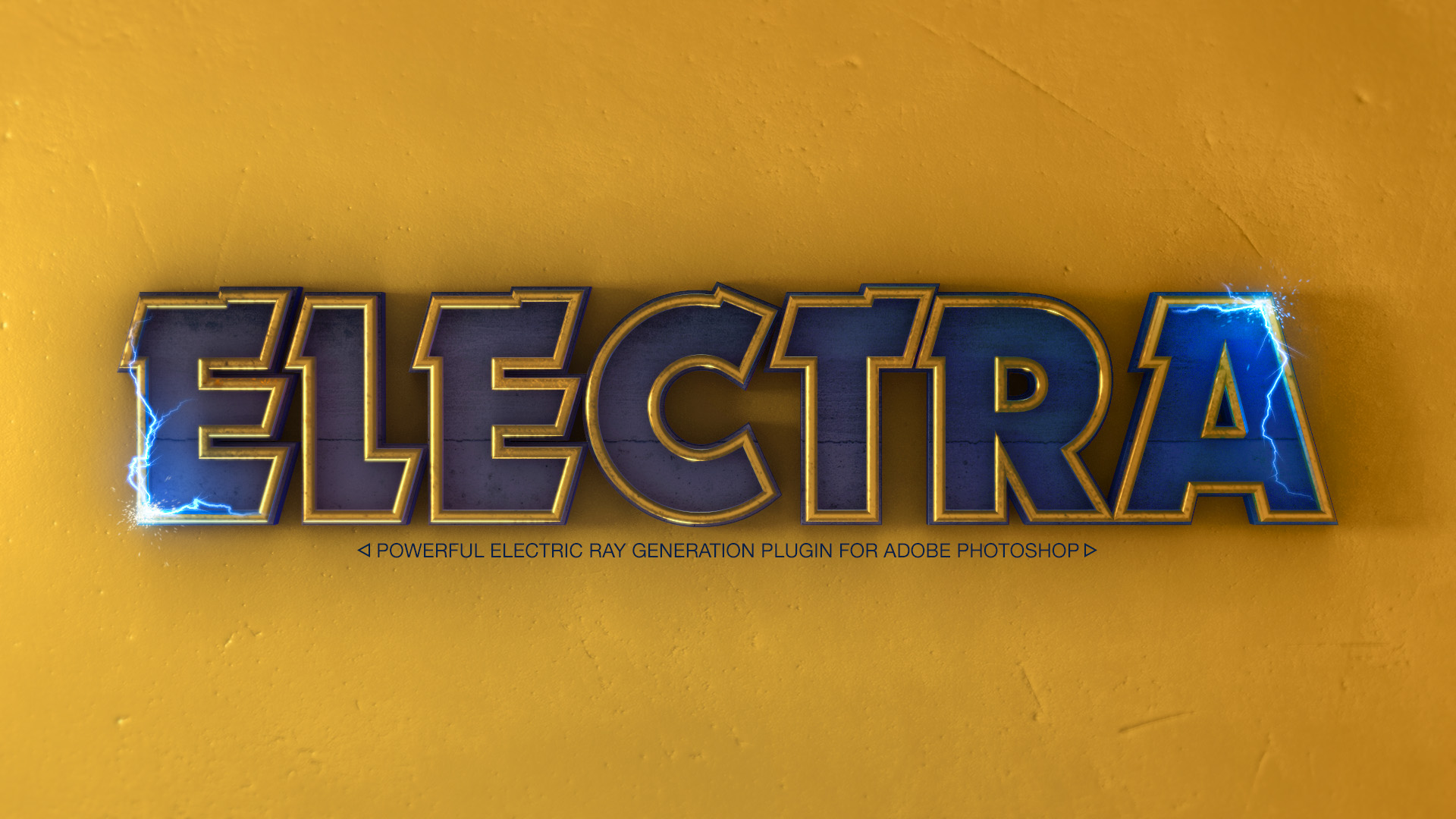
A 3d logo is a logo that has depth, volume, lighting, and perspective. Unlike flat designs, it exists in a three dimensional space. This does not always mean it is animated. A 3d logo design can be static, like a rendered image used on a website or product packaging.
Think of it as a sculpture of your logo rather than a drawing.
A professionally crafted logo 3d design uses shadows, reflections, textures, and realistic lighting to make the logo feel tangible. Even when not moving, it feels more immersive than a flat version.
Many brands turn to a 3d logo creator or 3d logo maker to modernize an existing logo or to launch a new brand with a premium feel.
It may seem confusing at times to understand the differences between the various animation styles that exist out there. Check out our styles page, to get a better understanding of each one.
What Is an Animated Logo?
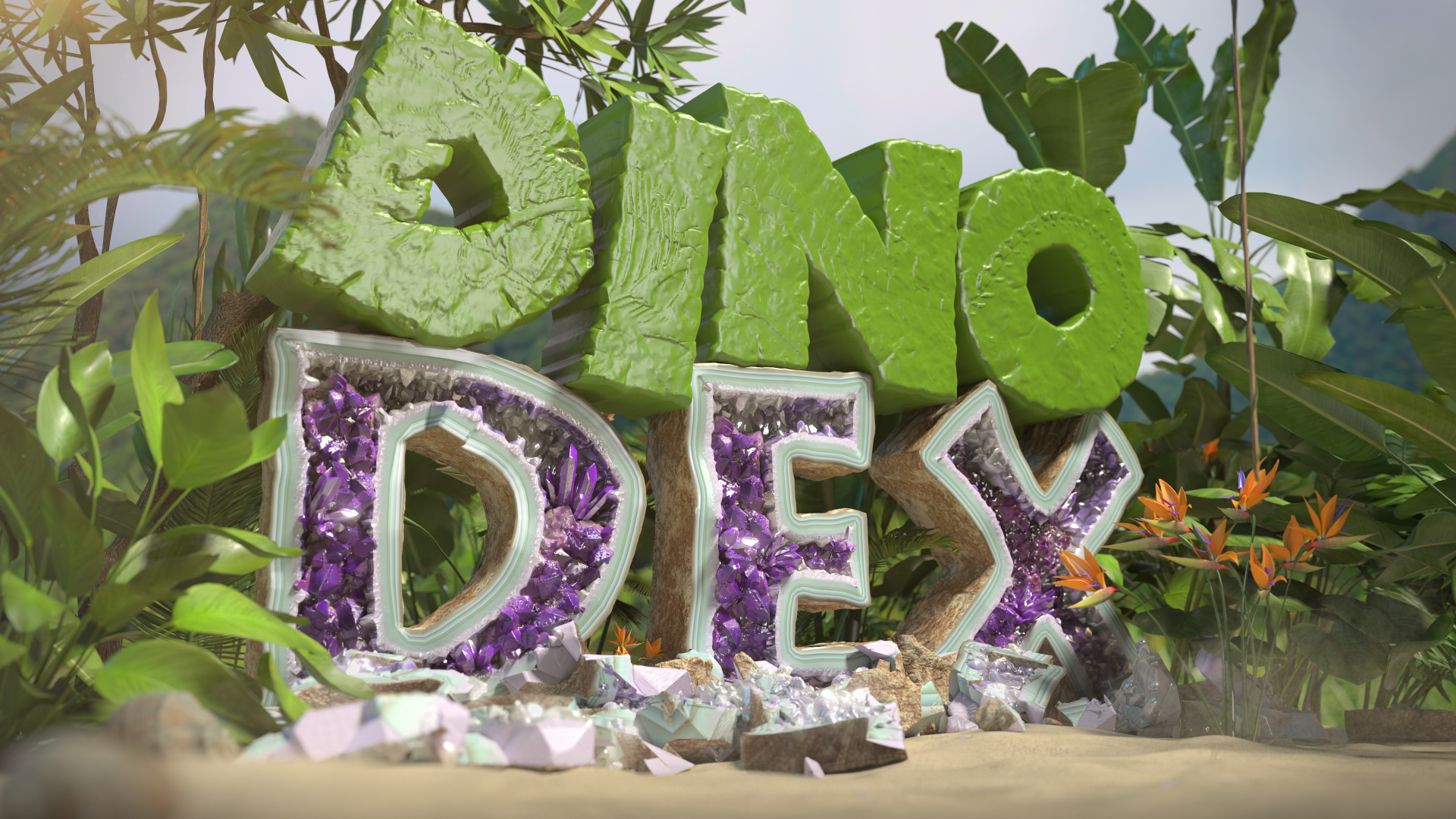
An animated logo is any logo that includes motion. It does not have to be three dimensional. Animated logos can be created using many different techniques, including 2D animation, motion graphics, kinetic typography, or frame by frame illustration.
In other words, all 3d animated logos are animated logos, but not all animated logos are 3D. 3D animation provides a premium and high-quality result but it doesn’t mean that’s the nest suited style depending on the project.
An animated logo might include elements like text sliding into place, shapes forming a symbol, or a logo revealing itself with smooth transitions. These techniques are often used in video intros, social media clips, and digital ads.
The Key Difference Between a 3D Logo and an Animated Logo
The main difference comes down to dimension and realism.
A 3d animated logo uses three dimensional space to create depth, perspective, and realism while also incorporating movement. It feels cinematic and immersive.
An animated logo using 2D techniques relies on flat shapes and motion design principles. It can still look beautiful and engaging, but it does not aim to feel realistic or physical.
Here is the simplest way to think about it. A 3D logo feels like an object you could touch. A 2D animated logo feels like a graphic that moves.
Both are valid. Both are effective. The right choice depends on your brand personality, audience, and marketing goals.
How 3D Logo Animation Works
A 3d logo animation is built using professional 3D software. Artists model the logo in three dimensions, apply materials and textures, set up lighting, and animate the camera or logo movement. Take a look at our process page to get a better understanding of it.
This process is similar to how animated films or product visualizations are made. The result is a 3d animation logo that feels polished and high end.
Because of the extra detail involved, a 3d animated logo often conveys qualities like innovation, strength, luxury, or cutting edge technology. That is why it is popular in industries like tech, automotive, gaming, finance, and entertainment.
How Other Animated Logo Techniques Work

Non 3D animated logos are usually created using motion graphics software. These animations focus on timing, transitions, typography, and visual rhythm. Quite often, a 2d animation software like After Effects is used.
They are often faster to produce and more flexible for everyday marketing use. A clean 2D animated logo can feel playful, friendly, or minimal depending on the style.
This approach works especially well for brands that value simplicity, approachability, or bold graphic design. Startups, creative agencies, educational brands, and lifestyle companies often lean in this direction.
Visual Impact and Brand Perception
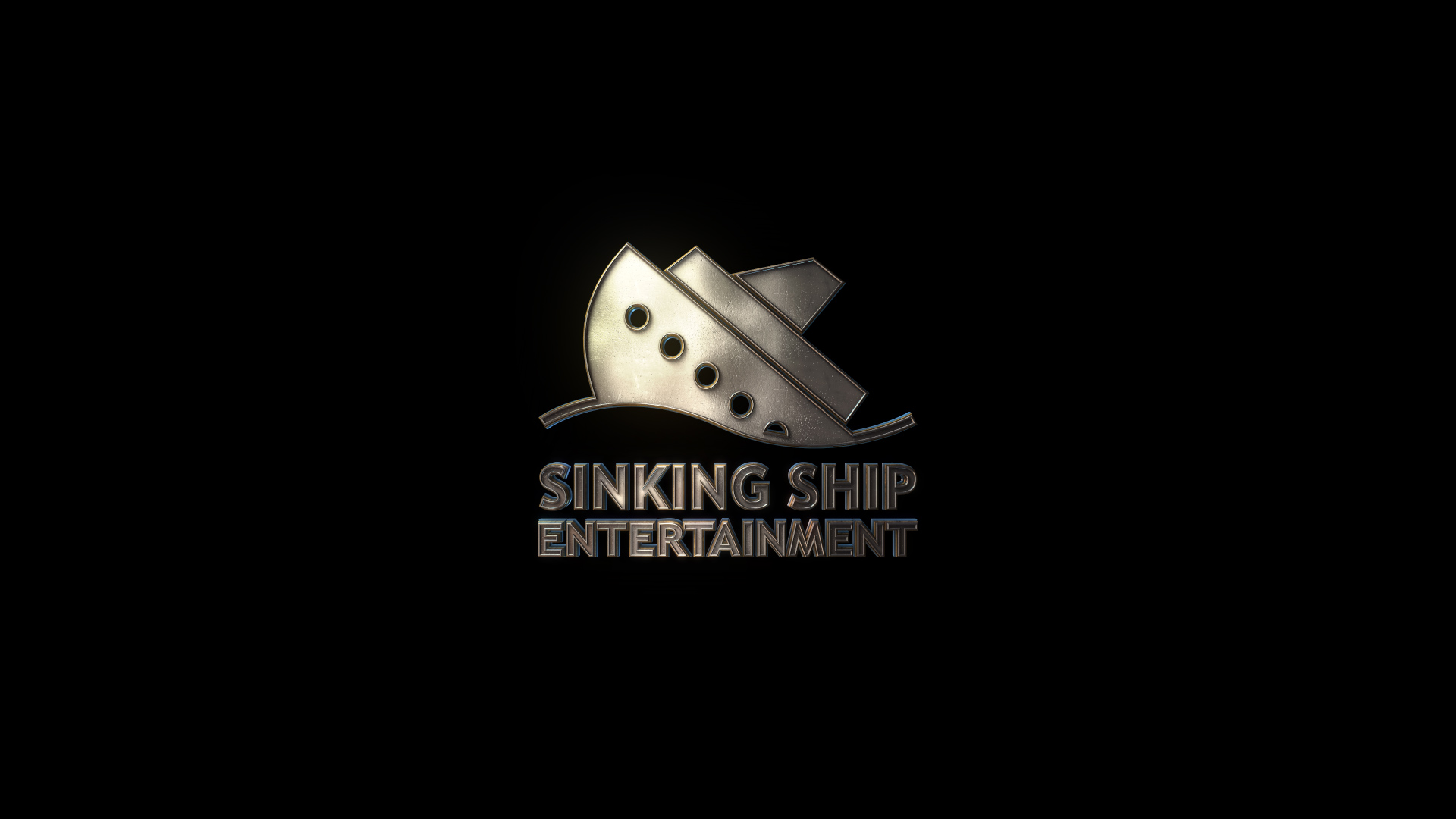
One of the biggest differences between a 3d logo and other animated logos is how they shape brand perception.
A 3d logo design instantly feels more premium. The depth and lighting signal craftsmanship and investment. Viewers subconsciously associate that level of detail with credibility and professionalism.
On the other hand, a well designed 2D animated logo can feel modern, clean, and confident. It communicates clarity and focus rather than spectacle.
Neither is better by default. It is about alignment. A luxury brand may benefit from a cinematic 3d logo animation, while a digital first startup might connect better with a bold animated logo built on motion design principles.
The decision often also depends on the industry, and what is expected.
Engagement and Attention Span
Motion is one of the most effective tools for grabbing attention. But how motion is used matters.
A 3d animated logo often works best in video intros, brand reveals, product launches, and presentations where viewers expect a visual experience.
Short form platforms like social media sometimes benefit more from simpler animated logos. Quick movement, clean transitions, and recognizable shapes help maintain clarity on small screens.
That said, even subtle 3d logos can outperform static designs when used thoughtfully. The added depth creates visual interest without overwhelming the viewer.
How Logo Animation Boosts Sales
At first glance, logo animation might seem like a branding detail. In reality, it can directly impact sales and conversions.
Here is how.
First, animated logos increase brand recall. People remember movement better than static images. The more memorable your brand, the more likely people are to return when they are ready to buy.
Second, motion builds trust. A polished 3d animated logo signals professionalism. It tells customers that your brand is established, serious, and worth their time.
Third, logo animation enhances storytelling. When your logo appears naturally at the end of a video or ad, it feels earned rather than forced. That emotional connection makes marketing messages more persuasive.
Flexibility Across Platforms
Another key difference between a 3d logo and other animated logos is how they adapt across platforms.
A fully rendered 3d logo animation is perfect for video content, presentations, event screens, and website hero sections. It creates a strong first impression.
Simpler animated logos are often easier to adapt for social media, email campaigns, and mobile friendly content. They load faster and remain clear at smaller sizes. 3d logos must be rasterized whereas 2d logos can be vector-based, resulting in faster loading speeds.
Many brands choose to have both. A high end 3d animation logo for major brand moments and a lighter animated version for everyday marketing.
Cost and Production Considerations
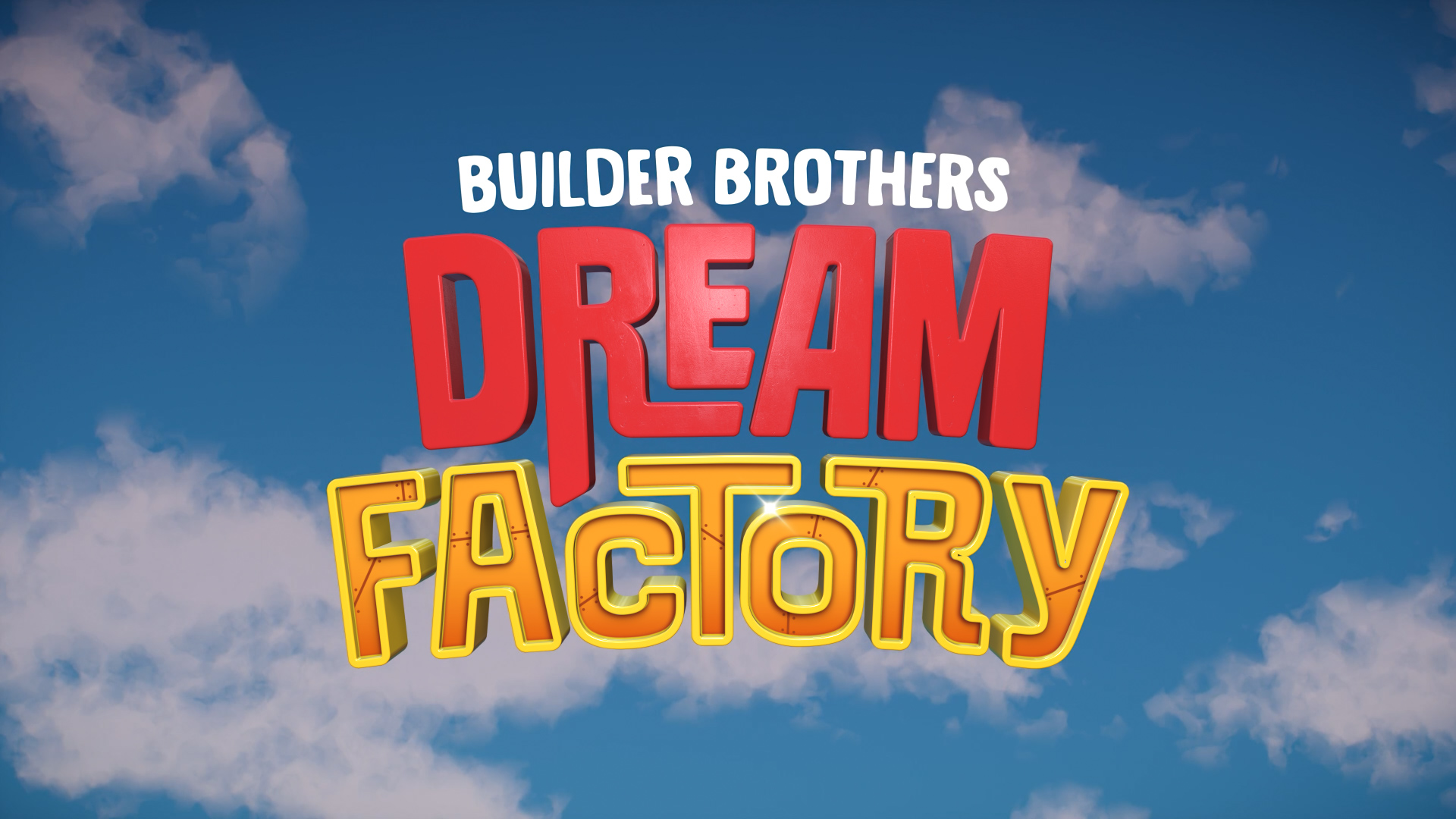
It is important to be honest about budget and timelines.
A 3d logo maker or professional 3d logo creator will typically require more time and expertise than basic motion graphics animation. Modeling, lighting, rendering, and animation all add complexity.
However, that investment pays off when the logo becomes a long term brand asset used across campaigns, videos, and events.
Animated logos using 2D techniques are generally faster and more affordable to produce, making them a great choice for brands that want flexibility and speed.
Choosing the Right Option for Your Brand
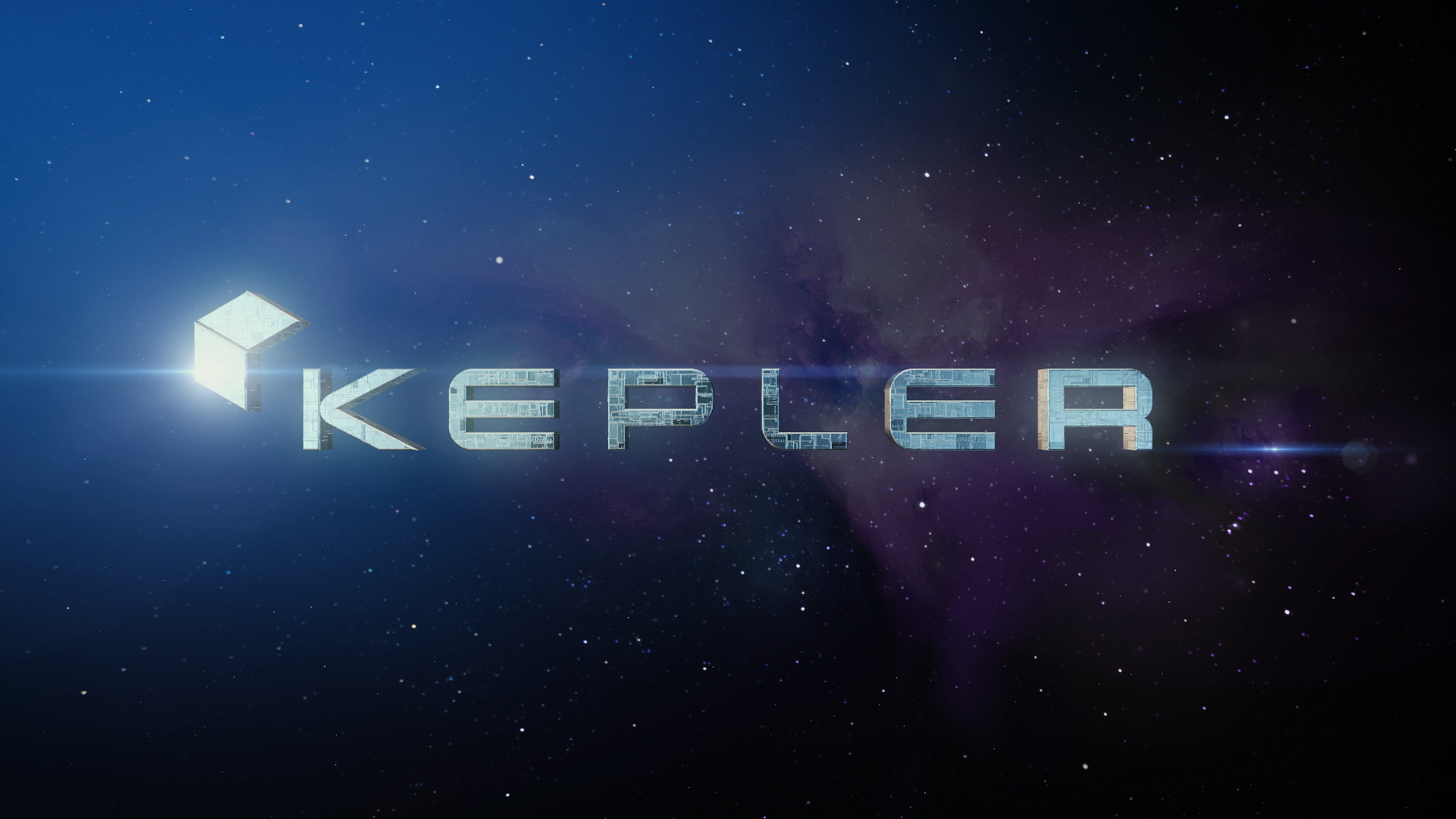
So how do you decide?
If your brand values realism, innovation, or premium aesthetics, a 3d animated logo may be the right fit.
If your brand prioritizes simplicity, clarity, and fast paced content, an animated logo using motion graphics might be the better choice.
If you want the best of both worlds, many brands combine approaches. They develop a core 3d logo design and create multiple animated versions tailored to different platforms.
The key is consistency. No matter the technique, the animation should reinforce your brand identity, not distract from it.
Common Misconceptions About 3D Logos
One common myth is that 3d logos are only for big companies. In reality, startups and small businesses can benefit just as much from the credibility and polish they provide.
Another misconception is that a 3d logo animation must be flashy. In truth, subtle camera movement, soft lighting, and minimal motion can feel more elegant and effective than dramatic effects.
The goal is not spectacle. The goal is connection.
The Long Term Value of Logo Animation

A logo animation is not just a one time asset. It can be reused across years of content.
From video intros and outros to social media posts and presentations, a strong animated logo becomes part of your brand language.
A well executed 3d animation logo or animated logo system grows with your brand and continues to deliver value long after it is created.
Final Thoughts
The difference between a 3d logo and an animated logo is not about which one is better. It is about purpose, perception, and audience connection.
A 3d animated logo offers depth, realism, and cinematic impact. Other animated logos offer clarity, speed, and graphic elegance. Both can boost engagement, strengthen brand identity, and support sales when used thoughtfully.
The most successful brands choose the approach that aligns with who they are and how they want to be remembered.
Why not get in touch with us today to discuss your evolved 3D logo?