
How 3D Animation Enhances Modern Video Game Experiences
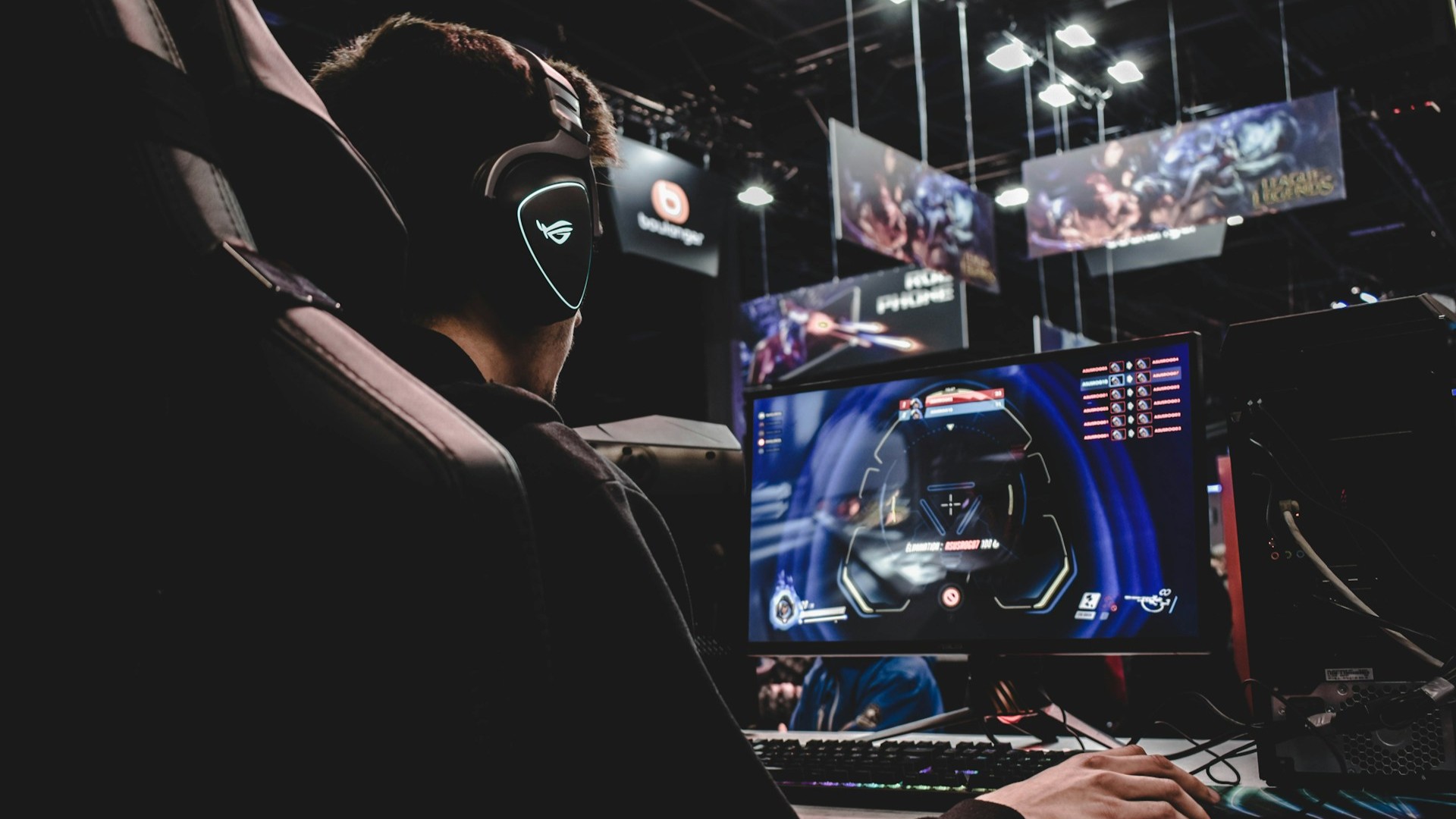
Think back to the very first time you picked up a controller. The blocky shapes, the stiff controls, and the basic screen movements probably felt cutting edge at the time. But if you jump forward to the current landscape, the interactive worlds we step into are completely unrecognizable from those early days. The integration of high quality 3d animation in video games has transformed the medium from a simple pixelated hobby into an art form that rivals Hollywood blockbusters in scale, emotion, and storytelling.
At Hatch Studios, we have been building premium digital content and developing high-quality 3D animation for decades. We have spent over twenty years watching software evolve and pushing the boundaries of what is possible in digital spaces. While we work across a massive variety of commercial and corporate sectors, we have always kept a close eye on how movement dictates immersion. In this article, we are going to dive deep into how advanced character movement and fluid environmental details elevate the modern gaming experience, turning simple lines of code into living, breathing worlds.
The Evolution of Movement: Beyond Pixels and Polygons
To understand why movement is so crucial today, we have to look at the massive growth of the global 3d gaming technology market. Players are no longer satisfied with static environments or robotic characters that simply slide across a floor texture. Modern consumers demand a level of physical responsiveness that mimics reality or expands on it in a highly stylised way. The boom in the 3d gaming technology market has driven incredible breakthroughs in processing power, allowing developers to calculate complex physics, muscle extensions, and clothing simulations in real time.
When an animation team sits down to map out motion, they are not just trying to make a model walk from point A to point B. They are designing the physical rules of an entire universe. Every step a character takes, the way their weight shifts when they turn a sharp corner, and the subtle lag of a heavy backpack swinging behind them all contribute to a feeling of presence. This level of detail is the core focus of modern gaming animation because if the movement feels unnatural, the spell is immediately broken for the player.
Decoding the Magic: How Do 3D Games Work?
For people outside the development circle, the technical plumbing behind a game can feel like a total mystery. If you ask an outsider how do 3d games work, they might assume it is just a series of flat drawings layered over each other very quickly. In reality, it is a sophisticated real-time rendering pipeline. The computer calculates the three-dimensional coordinates of an object, determines how light rays bounce off its digital surfaces, and draws that image onto your monitor sixty or even a hundred and twenty times every single second.
This real-time nature changes everything for an animator. Unlike traditional film, where the camera path is completely locked down, 3d animation for games must be entirely dynamic. An animator has to build a complex system of motion cycles that can blend together seamlessly at any given millisecond. If a player is sprinting and suddenly decides to jump, crouch, or swing a sword, the engine has to instantly transition between those different movement files without showing a glitch or a sudden jump in the model stance. Mastering this digital choreography is one of the most challenging aspects of modern development.
The Emotional Core: Building Trust Through Expressive Rigs

We often talk about graphics when discussing new game releases, but the real emotional hook always comes down to character performance. A character can have the most realistic skin textures in the world, but if their face remains completely expressionless during a dramatic story beat, they will look like a creepy store mannequin. This is why investing in premium video game animation has become the primary way studios build a lasting bond with their audience.
To achieve an emotional performance, a technical director must build an intricate digital skeleton underneath the character geometry. This process is called rigging. A high end face rig contains hundreds of tiny control points around the eyes, lips, cheeks, and brow line. This allows animators to dial in incredibly subtle human expressions like a slight squint of suspicion, a micro tremble of the jaw, or a sudden look of grief.
At Hatch Studios, our proprietary animation process is built around this exact level of performance and structural precision. We know that whether you are animating a playful character for a commercial or building a complex asset for a digital world, the soul of the creation lives in the micro movements. You can see how we apply these rich structural techniques by exploring our diverse library of past work.
Striking the Balance: Stylization vs Realism
One of the most exciting aspects of modern 3D design is the sheer variety of aesthetics available to developers. There is no single rulebook for how a virtual world should look. Some creators lean heavily into building a realistic animation game where every clothing fold, hair strand, and dust mote matches the physical laws of our planet. These games look like interactive cinema and require a deep understanding of human anatomy and natural lighting.
On the other hand, many of the most successful projects utilize a highly stylized approach. This is where we look at a wide range of animation styles to create something entirely unique. A developer might choose a vibrant cartoon look, a minimalist low poly layout, or a sleek corporate design. The goal of a realistic animation game is not always to copy real life exactly, but to create a world that feels internally consistent and physically believable to the person holding the controller. The weight, timing, and inertia must make sense within the context of that specific universe.
The Technical Infrastructure of Game Worlds
The presence of 3d animation in games extends far beyond the main characters you control on screen. The entire environment needs to feel alive to create true immersion. This requires an enormous amount of background motion that reacts dynamically to the player actions. Think about the way wind moves through a forest canopy, the way water ripples around a character boots, or the way a flock of birds scatters into the sky when a loud noise occurs.
This structural background environment relies heavily on a mix of keyframe artistry and algorithmic simulations. Developers use advanced 3d gaming technology to create particle systems that handle complex elements like smoke, fire, pouring rain, and magical effects. When these systems are designed correctly, they work in complete harmony with the main character movements. This level of technical world building is a massive reason why the global 3d gaming technology market has expanded into a multi billion dollar powerhouse that influences everything from film production to architectural modeling.
The Crossover: From Gaming Tech to Corporate Innovation
The incredible breakthroughs happening within the world of 3d video gaming are no longer trapped inside the entertainment industry. Smart brands across every sector are realizing that the exact same tools used to build virtual worlds can be leveraged to solve real world business challenges. We are seeing a massive trend where corporate organizations use real time rendering engines to elevate their own brand communication.
At Hatch Studios, we have spent decades tracking these visual shifts and adapting our high end 3D animation production pipelines to serve a massive range of corporate needs. For example, a manufacturing firm can use the same rendering technology found in modern games to create an immersive product video production piece. Instead of looking at a flat blueprint, clients can see a hyper realistic 3D model of a complex machine, fly a camera through its internal gears, and watch exactly how it operates in real time.
We also see this gaming tech transforming how companies handle employee education. Rather than forcing staff to read through a dry text manual, businesses are investing in advanced training video production. By using dynamic 3d animation in games design philosophy, we can build step by step visual walkthroughs and interactive simulations that keep employees deeply engaged and dramatically improve their information retention rates.
Enhancing Brand Authority Across the Funnel
Every video asset your company puts out into the world is a direct reflection of your institutional standards. If you are using cheap templates or basic screen captures, your audience will sub consciously associate that lack of polish with the quality of your product. Investing in premium marketing video production is how you signal to the market that you are an industry leader.
Whether your company needs a sleek, modern explainer video production piece for a landing page or a high energy commercial spot, animation gives you absolute creative freedom. You are never restricted by the weather, physical location, or actor availability. We can take your existing brand identity and design a stunning 3D logo production sequence to give your entire video library a premium, uniform signature opening and closing. This dedication to absolute visual quality is essential for modern corporate video production because it builds instant credibility with stakeholders, partners, and clients.
The Future of Interactive Experiences
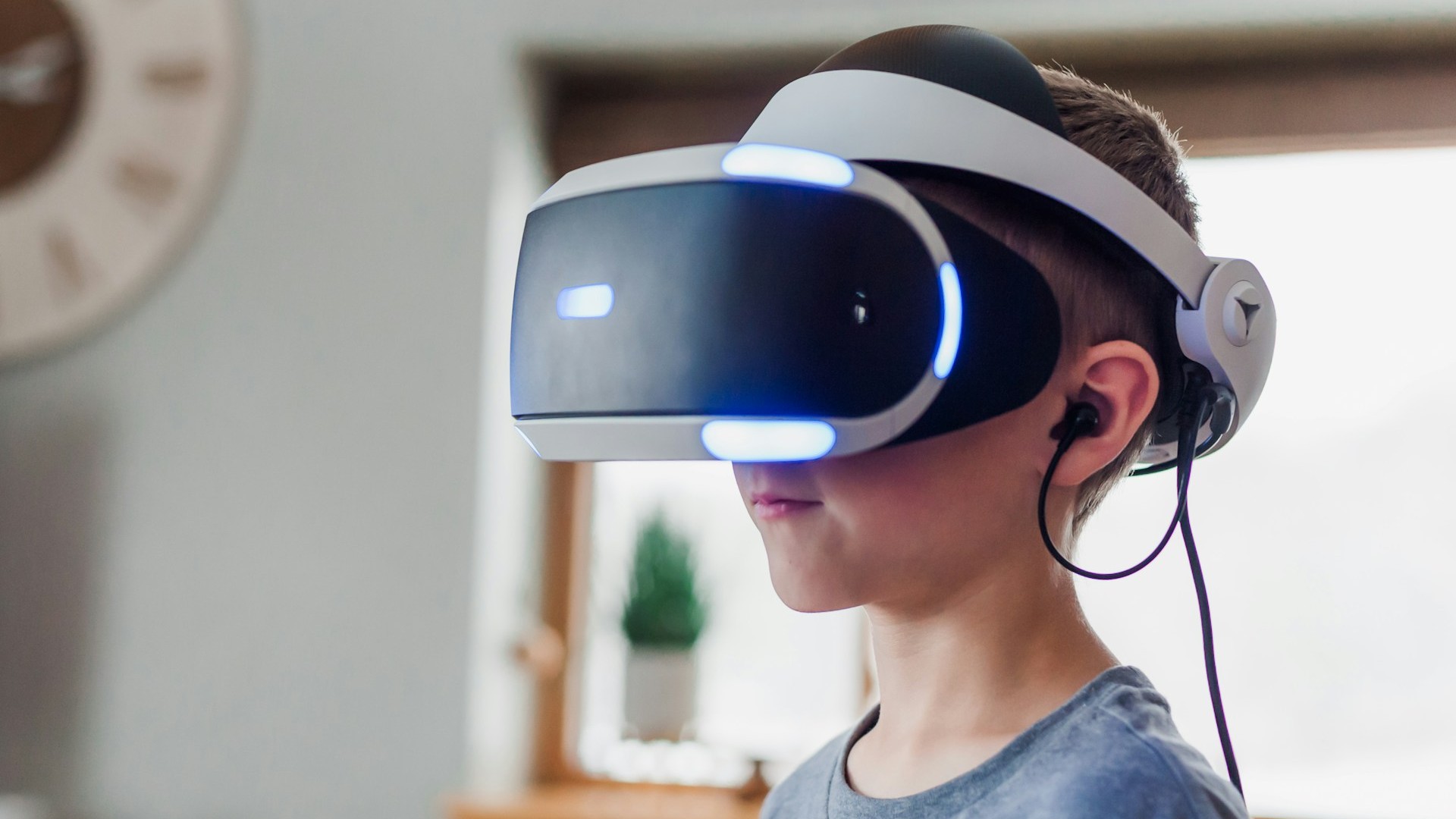
As we look toward the horizon, the line between traditional cinema, 3d video gaming, and marketing is going to continue to blur. With the rise of virtual production sets and real time rendering engines, directors and animators can modify environments instantly, change lighting setups with a click, and review final frames without waiting hours for a computer to compile data. This speed allows for unprecedented creative experimentation.
We are also seeing an expansion into augmented and virtual reality, where custom visual effects production allows consumers to interact with digital products right inside their own living rooms. No matter how the distribution tech changes, the core rule of engagement remains exactly the same: human beings connect with stories through fluid, expressive movement. If you want to dive deeper into our studio philosophy and see how we have evolved our techniques over the decades, you can read all about our history and creative values on our site.
Partnering for Success
The modern digital landscape is incredibly noisy, and standing out requires a visual voice that is sharp, intentional, and polished. Relying on outdated text or static imagery means letting your brand get left behind by competitors who are actively using dynamic 3D assets to capture the market.
Our team at Hatch Studios is deeply passionate about the intersection of art and technical innovation. We have spent decades helping brands across dozens of animation industries simplify complex science, launch revolutionary software, and build lasting connections with their audience. We regularly publish deep dive industry guides, trend analysis, and case studies on our official corporate blog to help businesses stay ahead of the visual curve.
When you are ready to stop using boring presentations and start building exceptional visual tools that actually move the needle for your business, simply visit our contact page to get in touch with our creative team. Let us review your business goals, analyze your target market, and discover how the advanced principles of animation in game design can bring your company vision into spectacular, high performance reality.
Get in touch with us today to learn more.