
The Evolution of Animation in the Entertainment Industry
The world of film, television, advertising and digital media has been shaped in a major way by animation and motion graphics. What started as simple hand drawn experiments more than a century ago has grown into a powerful storytelling medium used across nearly every form of entertainment. Today audiences expect visually engaging content whether they are watching a blockbuster film, a streaming series, a commercial or even a short social media video. The evolution of animation and motion graphics has not only transformed cinema but also opened the door to new ways of communicating ideas, emotions and stories.
At Hatch Studios, we have been creating high quality animated content for decades. During that time we have seen the industry shift from traditional techniques to highly advanced digital workflows that combine 2D, 3D and motion graphics. The tools have changed dramatically, but the core goal has remained the same. Animation is about bringing stories and ideas to life in ways that live action alone often cannot achieve.
Let us explore how animation evolved, how it reshaped entertainment and why it continues to grow as one of the most important creative tools in modern media.
The Early Days of Animation

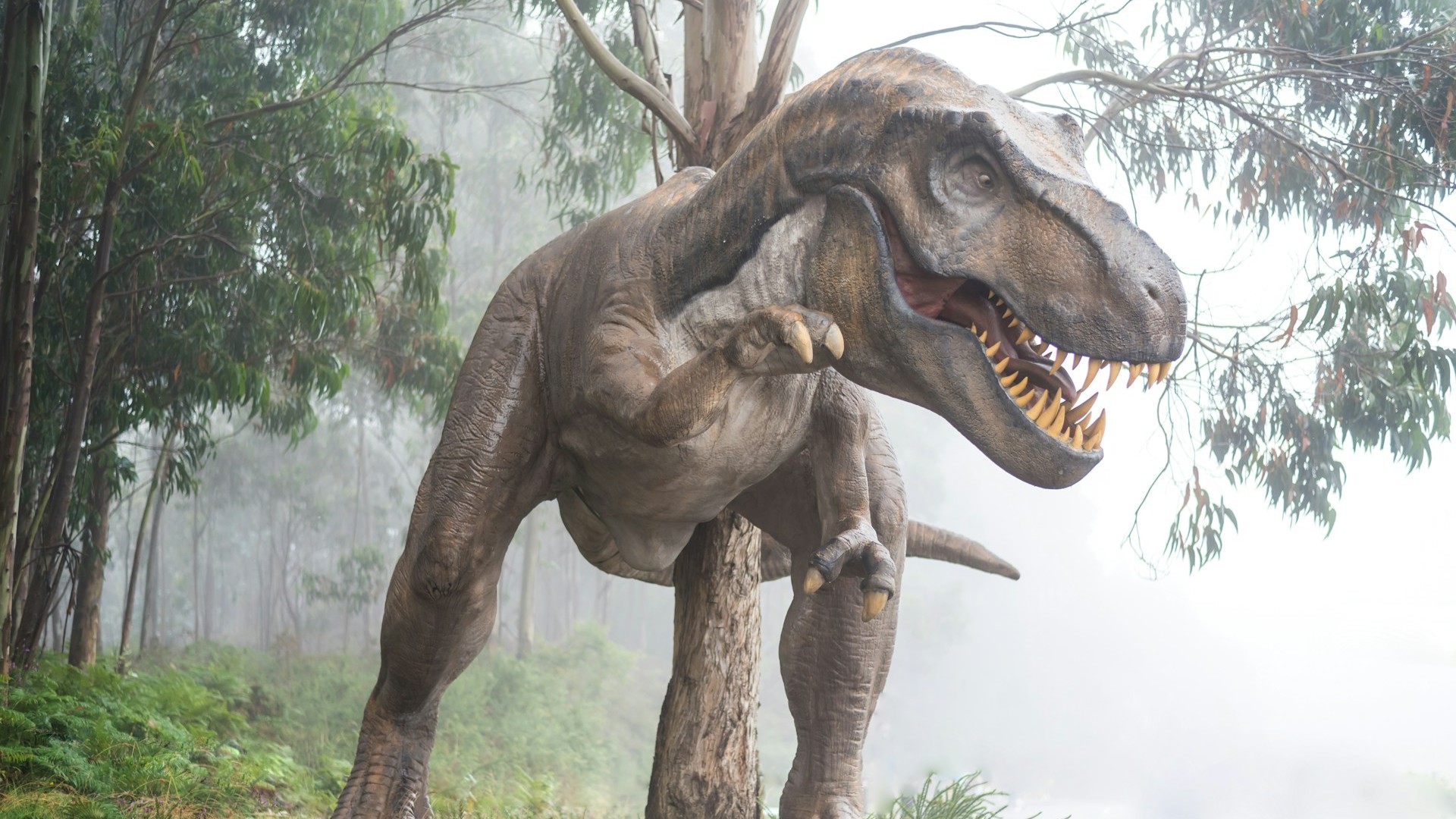
Low Quality 3D
Watch our for poorly-modeled subjects, unfinished texture work, jerky movement, poor camera work and low-quality rendering often combined with amateur lighting. Videos will be noticeably rough around the edges, breaking the viewer’s attention from the key messaging.

High Quality 3D
High quality 3D animation takes time to develop, with a careful attention to details, particularities and nuances. Technology can only do so much and an experienced designer will bring color theory, sophisticated motion and professional editing to the project, resulting in a beautiful final piece.
Animation began long before digital technology. In the early twentieth century artists experimented with drawings that moved frame by frame. These early pioneers created characters and short stories by sketching thousands of individual images and photographing them sequentially.
The process was extremely labor intensive. Every movement had to be drawn by hand, often requiring dozens of drawings for only a few seconds of film. Despite the effort, audiences were fascinated. For the first time, drawings appeared to move and interact like living characters.
As the decades passed, animation studios developed more advanced techniques. Cell animation became the standard for animated films and television programs. Artists painted characters on transparent sheets that could be layered over painted backgrounds. This allowed scenes to be reused and characters to move independently of the environment.
During this era animation became a staple of entertainment. Cartoons began appearing before feature films in theaters and later became a major part of television programming.
The Rise of Motion Graphics
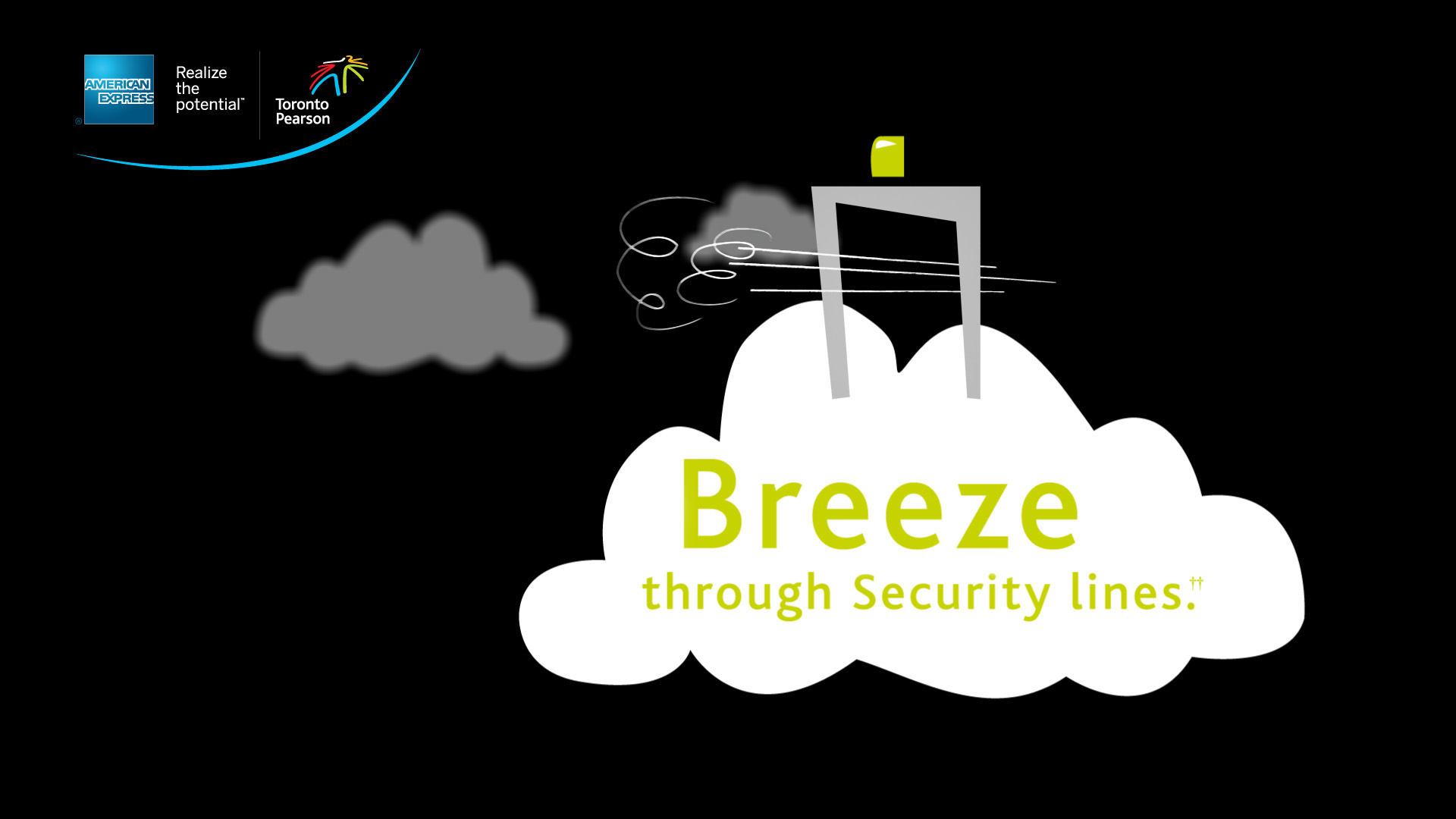
While character animation dominated early entertainment, another style of animation began to emerge during the mid twentieth century. Designers started experimenting with typography, shapes and graphic elements that moved across the screen.
This approach eventually became known as motion graphic animation. Instead of focusing on characters and narratives, motion graphics were used to communicate information visually. Television networks quickly embraced the style for title sequences, news graphics and promotional content.
Over time the technique evolved into what we now call animated motion graphics. This format blends design, typography and animation to create engaging visual communication. Today motion graphics appear everywhere from corporate presentations to film trailers.
At Hatch Studios we have spent decades refining this craft. Our team provides a full motion graphics animation service that helps brands communicate ideas clearly while maintaining a polished visual style.
Digital Technology Changes Everything
The biggest transformation in animation came with the rise of digital tools. Computers introduced entirely new possibilities for artists and filmmakers. Instead of drawing every frame by hand, animators could now create characters, environments and effects inside powerful software programs.
3D animation became especially important. It allowed artists to build realistic worlds with lighting, textures and camera movement that closely resembled live action filmmaking. This opened the door for visually stunning animated films and complex visual effects in blockbuster movies.
Studios began blending traditional animation techniques with digital workflows. Today it is common to see films and television shows that combine:
- 3D animation
- 2D illustration
- motion graphic animation
- visual effects
- live action footage
This hybrid approach has made animation one of the most flexible storytelling tools in the entertainment industry.
At Hatch Studios we use many of these modern techniques in our work. Clients often rely on our 3D animation production and 2D animation production services to create visually compelling content for marketing, training and entertainment.
Animation Expands Beyond Film and Television
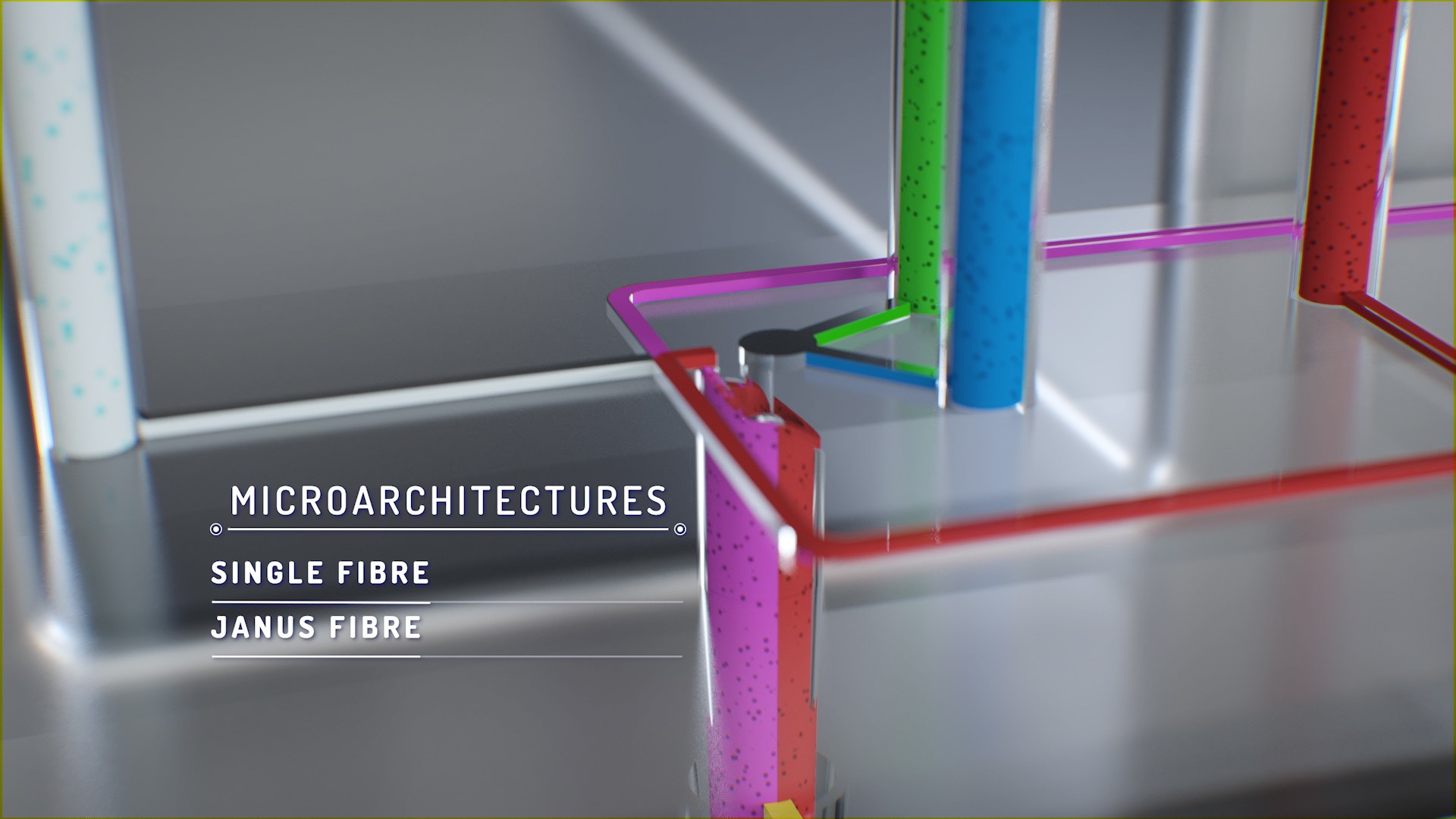
For many years animation was mostly associated with movies and television cartoons. Today that perception has completely changed. Animation is now used across nearly every type of media and entertainment.
Streaming platforms, social media, advertising campaigns and corporate communication all rely heavily on animated visuals. This shift happened because animation offers something that traditional filming cannot always provide. It allows creators to visualize abstract ideas, impossible environments and imaginative concepts without the constraints of reality.
Some of the industries that now rely heavily on animation include:
- Advertising and marketing
- Gaming and interactive media
- Education and training
- Product design and visualization
- Corporate communication
- Virtual events and digital experiences
Through our animation and motion graphics services we have worked with clients in many of these sectors. Each project uses animation to communicate ideas in a way that feels engaging and easy to understand.
The Role of Motion Graphics in Modern Entertainment
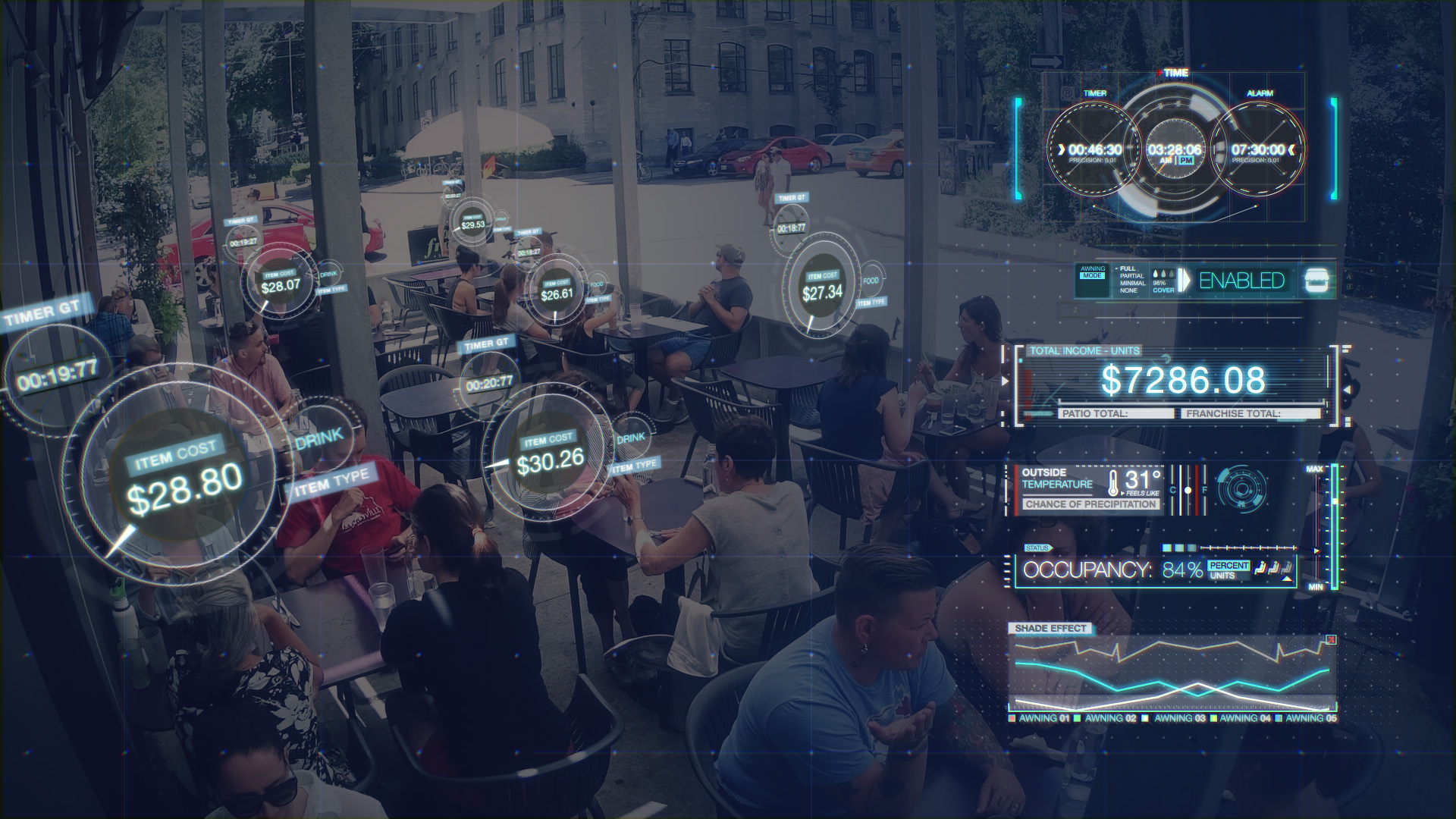
Motion graphics have become one of the most recognizable visual styles in entertainment. From movie title sequences to streaming platform intros, motion graphics shape how audiences experience visual storytelling.
A strong motion graphics animation service combines design, animation and storytelling. The goal is not just to make something move but to create a visual language that supports the message.
For example, motion graphics can help:
- Introduce characters or locations
- Explain complex information
- Enhance transitions in films and shows
- Build brand identity in commercials
- Support digital interfaces and interactive experiences
Many entertainment companies rely on motion graphic animation services to maintain a consistent visual identity across trailers, promotional videos and broadcast content.
At Hatch Studios we frequently use animated motion graphics to support marketing videos and corporate storytelling. These visuals help viewers understand key ideas quickly while keeping the content visually engaging.
Animation in Marketing and Commercial Entertainment
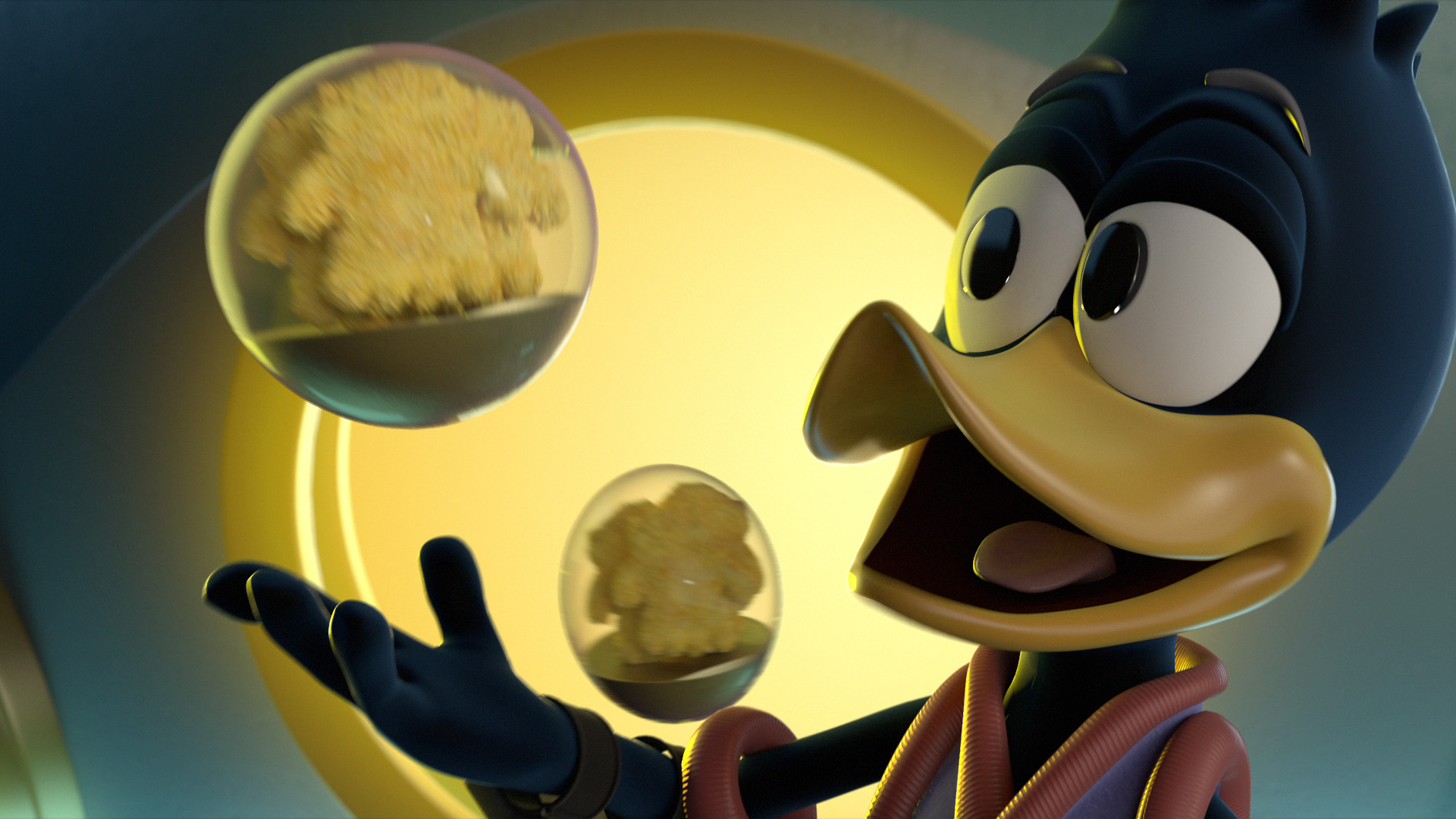
Animation is not limited to films and television anymore. Some of the most creative animated content today appears in marketing and advertising.
Brands have realized that animation allows them to showcase products and services in ways that are both entertaining and informative. With animation you can demonstrate how a product works, highlight internal features or visualize abstract benefits.
Our team often works on projects that combine storytelling with commercial goals. Clients can explore these services through our marketing video production and product video production offerings.
We also create content that supports internal communication and education through training video production and corporate video production services.
Animation helps companies transform complex information into clear visual stories that audiences remember.
The Importance of Creative Process in Animation

Even with powerful technology, animation still depends heavily on creativity and structure. Every project begins with an idea that needs to be carefully developed before animation begins.
A typical workflow includes several stages:
- Concept development
- Scriptwriting
- Storyboarding
- Visual style design
- Animation production
- Sound design and editing
At Hatch Studios we guide clients through this entire process. Our structured workflow helps ensure that each project moves smoothly from concept to final delivery. You can see more about how we work here: animation process.
This approach allows us to maintain high production quality while keeping the creative vision consistent.
A Wide Range of Animation Styles
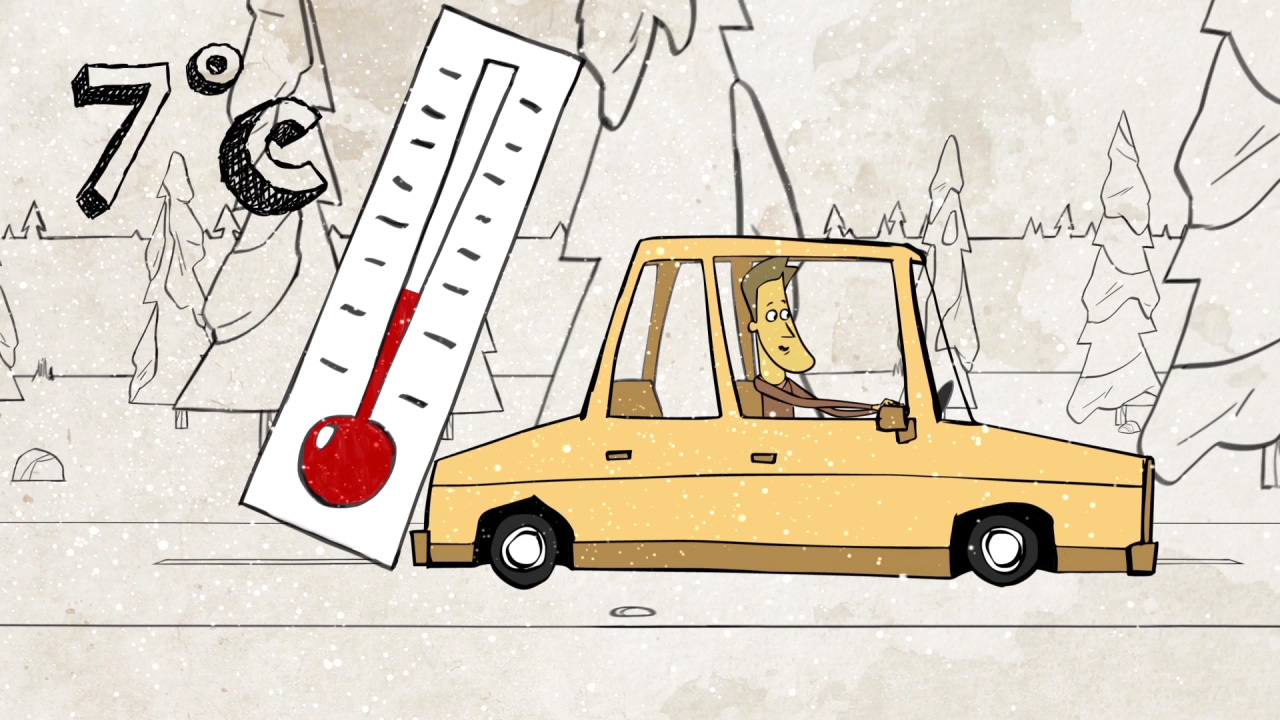
Another reason animation continues to evolve is the diversity of styles available today. Artists are constantly experimenting with new looks and techniques that push storytelling forward.
Some projects require polished 3D realism while others benefit from hand drawn illustration or minimal motion graphics.
At Hatch Studios we offer a variety of visual styles so clients can choose the approach that best fits their message. You can explore these options here: animation styles.
Different styles can completely change how an audience experiences a story. The key is selecting the right visual approach for the message being communicated.
The Role of Visual Effects in Animation
Modern entertainment often blends animation with visual effects. This combination allows filmmakers and creators to produce scenes that would otherwise be impossible.
Visual effects can enhance environments, simulate physics, create digital characters and blend animation with live action footage. Many large productions rely heavily on this integration.
At Hatch Studios we also produce advanced visual work through our visual effects production services. These tools allow us to expand the creative possibilities of animation and create truly cinematic visuals.
Decades of Animation Experience at Hatch Studios
Animation technology has evolved dramatically over the years, and we have had the opportunity to grow alongside it. For decades our team has been producing animated content for companies across a wide range of industries.
You can learn more about our history and creative philosophy here: about Hatch Studios.
Our experience includes everything from small promotional videos to complex animation driven storytelling projects. Over the years we have worked with clients in industries ranging from healthcare and technology to consumer products and education.
If you would like to see some of our completed projects, you can explore them here: Hatch Studios work.
The Future of Animation and Motion Graphics
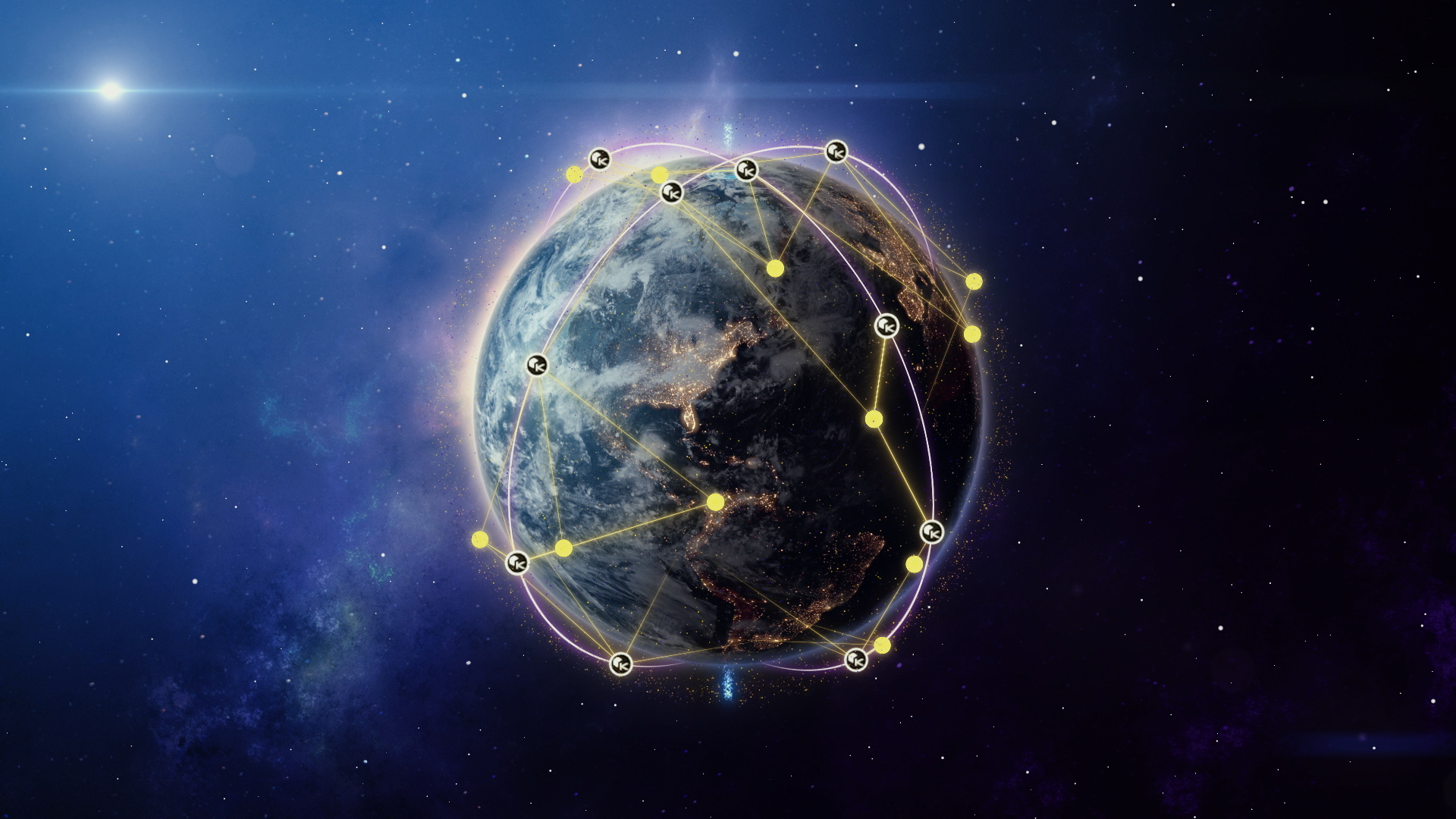
Looking ahead, animation will continue to expand into new areas of entertainment and communication. Advances in technology such as real time rendering, interactive media and virtual production are already changing how animated content is created.
Audiences are also becoming more visually sophisticated. They expect high quality visuals even in short social media clips or digital advertising.
This means the demand for animation and motion graphics will only continue to grow. Businesses, filmmakers and content creators will increasingly rely on animation to tell stories, explain ideas and build emotional connections with their audiences.
Our team at Hatch Studios is excited to continue exploring these creative possibilities. Whether a project requires character animation, 3D visualization or motion graphic animation services, we enjoy helping clients transform ideas into compelling visual stories.
If you are interested in working with us, you can reach out here: contact Hatch Studios.
Final Thoughts
Animation has traveled a remarkable journey from hand drawn sketches to sophisticated digital worlds. It has reshaped how stories are told across cinema, television, advertising and digital media. The combination of creativity and technology continues to push the boundaries of what is possible on screen.
At Hatch Studios we are proud to have spent decades contributing to this evolving industry. Through our animation and motion graphics services we help businesses and creators communicate ideas with clarity, creativity and visual impact.
The future of animation looks brighter than ever, and the next chapter of storytelling is already unfolding. Get in touch with us today to learn more.