
2D vs. 3D Animation for Nonprofit Videos: Which Is Right for Your Organization?
Running a mission-driven organization means wearing a lot of hats, but few tasks are as important as rallying support for your cause. When you need to raise funds, raise awareness, or explain a complex social issue, visual storytelling is your greatest asset. Many charitable leaders find themselves weighing the pros and cons of 2D vs. 3D Animation for Nonprofit Videos to determine which visual style best serves their outreach goals. Both creative approaches offer incredible emotional resonance, yet they deliver distinct visual tones and production workflows.
Finding the right creative medium can make all the difference between a campaign that gets scrolled past and one that inspires real action. Nonprofits operate on trust, empathy, and clarity, and the visual format you choose sets the mood for your entire message. Let us explore how two-dimensional and three-dimensional animation compare, the unique strengths and potential drawbacks of each, and how to select the best visual strategy for your organization.
The Power of Animation for Cause-Driven Storytelling
When producing a dedicated nonprofit video, many teams initially consider traditional live camera filming. However, physical filming often presents sensitive ethical challenges. Documenting vulnerable communities, endangered wildlife, or delicate healthcare crises with physical cameras can sometimes feel intrusive, logistically complicated, or expensive.
Animation provides a powerful, compassionate alternative. It allows you to protect the privacy of real individuals while still communicating deeply human, moving stories. With animation, you can represent diverse populations, travel to remote corners of the globe, and simplify massive systemic challenges into clear, digestible concepts.
A well-crafted campaign built through tailored nonprofit video production helps bridge the gap between complex issues and compassionate action, turning passive viewers into lifelong donors, advocates, and volunteers.
Exploring 2D Animation for Charitable Organizations
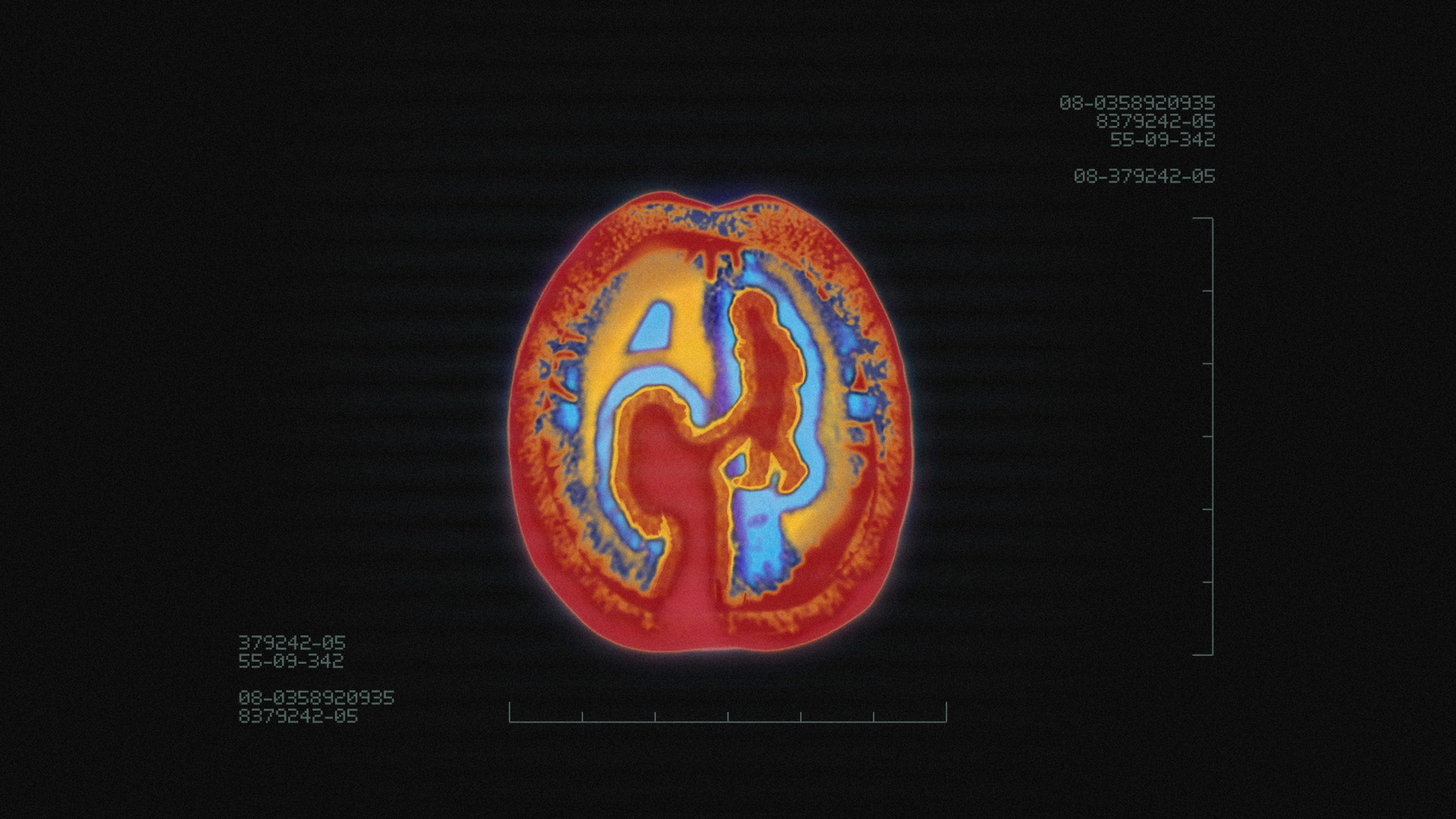
Two-dimensional animation is the classic, hand-crafted or vector-based medium that many of us grew up watching. It uses flat artwork, expressive character movement, and vibrant graphical shapes across height and width dimensions.
From minimalist line art and paper cutout textures to fluid character movements and kinetic typography, two-dimensional art encompasses an enormous variety of expressive visual styles. It has become a dominant choice for organizations looking to communicate clear educational messages with warmth and visual accessibility.
The Benefits of 2D Animation for Nonprofits
There are several distinct reasons why mission-driven groups gravitate toward two-dimensional visuals for their advocacy work.
1. Warmth, Empathy, and Immediate Approachability
Two-dimensional art has an innate human charm. Illustrated characters often feel friendly, welcoming, and relatable without feeling overly polished or corporate. This gentle aesthetic works wonders when addressing heavy or emotionally sensitive topics such as mental health, poverty, or community support initiatives.
2. Exceptional Conceptual Clarity
If your primary mission involves educating the public about policy changes, environmental data, or healthcare access, two-dimensional design excels at simplifying dense information. Pairing character moments with clean motion graphics production allows you to display statistical data, infographics, and process diagrams clearly without cluttering the screen.
3. Production Efficiency and Cost Effectiveness
Because two-dimensional assets do not require complex three-dimensional digital lighting, virtual camera rigs, or intensive multi-layer rendering farms, the production timeline is often faster. This streamlined nature makes 2D animation production an accessible, budget-conscious choice for nonprofit teams working under tight grant timelines or capital constraints.
4. Effortless Brand Alignment
If your organization already has established brand guidelines, color palettes, and custom illustrations, two-dimensional animation can adapt those exact visual elements directly into motion. This consistency ensures your new video feels like a natural extension of your website, annual reports, and print materials.
Potential Drawbacks of 2D Animation
While two-dimensional animation is a fantastic medium, it does have a few creative limitations to consider:
- Less Spatial Realism: Because it lacks physical depth and realistic lighting, it is less suited for showing intricate physical engineering, photorealistic environments, or deep spatial dimensions.
- Can Feel Too Playful if Not Styled Carefully: If the visual style is not carefully curated by experienced artists, certain styles of cartoon animation can inadvertently come across as juvenile, which might undermine a somber or urgent humanitarian appeal.
Exploring 3D Animation for Cause-Driven Campaigns

Three-dimensional animation builds assets, characters, and environments inside a virtual digital space with depth, physical volume, realistic lighting, and tactile textures.
Instead of drawing flat shapes, artists sculpt digital geometry, apply realistic materials like glass, fabric, or foliage, and set up dynamic virtual camera angles. Exploring advanced 3D animation production gives your message a cinematic, high-impact presence that commands instant attention on modern screens.
The Advantages of 3D Animation for Nonprofits
When you need to deliver an unforgettable visual experience, three-dimensional visuals offer several compelling advantages.
1. Breathtaking Cinematic Scale and Immersion
Three-dimensional art brings a level of grandeur and cinematic drama that instantly elevates your message. If your campaign focuses on global conservation, ocean cleanup, clean energy infrastructure, or large-scale humanitarian relief, virtual worlds allow you to take donors on a breathtaking journey across vast landscapes and detailed cities.
2. Visualizing Complex Systems and Physical Innovations
Many modern nonprofits develop innovative physical tools, such as solar water purifiers, medical delivery drones, or sustainable building materials. Through specialized 3D product visualization, you can take viewers inside physical mechanisms, show exploded cutaway views, and demonstrate how technical innovations save lives in the field.
3. High Impact Emotional Resonance
Photorealistic rendering allows for rich cinematic lighting, atmospheric dust, volumetric sunlight, and lifelike weather conditions. These rich details create an immersive, tactile world that pulls the viewer in emotionally, making your cause feel urgent, tangible, and immediate.
4. Advanced Visual Effects and Simulations
If your narrative requires visualizing rising sea levels, microscopic virus neutralization, reforestation over decades, or natural disaster scenarios, incorporating dedicated visual effects production makes these abstract or future events feel undeniably real.
Potential Drawbacks of 3D Animation
Before committing to a three-dimensional project, keep these practical factors in mind:
- Higher Resource and Time Investment: Building 3D models, painting custom textures, rigging skeletal systems, and calculating complex lighting simulations requires specialized pipelines and longer production schedules.
- Higher Production Budget: Due to the technical complexity and computing power required, three-dimensional projects generally represent a larger financial investment, which may require careful planning within your fundraising budget.
Comparing 2D vs. 3D Animation for Nonprofit Videos

Choosing the right format comes down to understanding your core message, your target demographic, and your fundraising timeline.
| Evaluation Metric | 2D Animation | 3D Animation |
|---|---|---|
| Primary Visual Tone | Warm, approachable, illustrative, expressive | Cinematic, immersive, tangible, dramatic |
| Best Used For | Explaining social concepts, data, community stories | Showcasing physical tools, vast environments, cinematic spots |
| Production Speed | Generally faster concept to delivery | Longer development and rendering phases |
| Budget Flexibility | Highly cost effective for grassroots budgets | Higher initial investment for premium cinematic polish |
| Technical Demonstrations | Ideal for graphic charts, workflows, diagrams | Ideal for physical mechanics, scale models, natural elements |
When evaluating 2D vs. 3D Animation for Nonprofit Videos, consider where your video will live. A quick social media explainer might thrive in 2D, while a flagship gala presentation might demand the cinematic weight of 3D.
When Should Your Organization Choose 2D Animation?
Two-dimensional animation is the ideal solution for many nonprofit animated videos because of its ability to communicate clear, empathetic concepts quickly. You should select 2D when:
- You are creating nonprofit explainer videos designed to unpack complex legislation, educational curricula, or societal challenges.
- You need to produce multiple short social media assets or awareness clips within a modest budget.
- Your story focuses on community members, interpersonal relationships, or sensitive topics where a gentle illustrative touch feels most respectful.
- You want to incorporate animated data visualizations, infographics, and typography into your narrative.
When Should Your Organization Choose 3D Animation?
Three-dimensional animation shines brightest when your campaign calls for awe, technical precision, or grand visual scale. You should choose 3D when:
- You are producing a major annual gala centerpiece, televised public service announcement, or premier investor pitch.
- Your organization is developing physical technologies, medical devices, or architectural facilities that require realistic demonstration.
- Your story takes place across dramatic natural environments, such as polar ice caps, dense rainforests, or deep oceanic habitats.
- You want to leave a lasting impression with memorable brand assets, including custom 3D logo production that reinforces your organizational identity.
Strategic Uses for Animated Videos in Your Organization
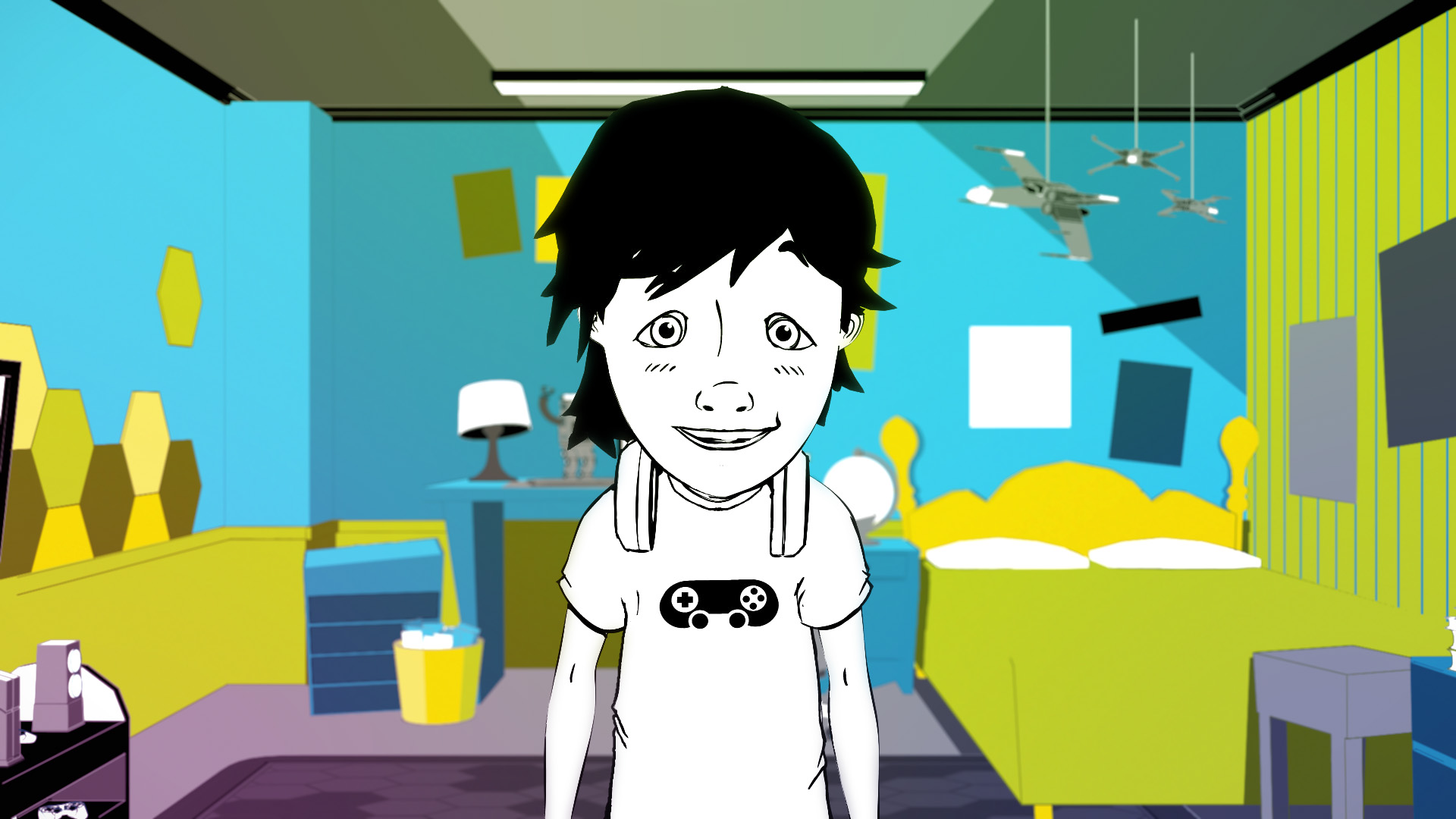
Animated media is remarkably versatile across the entire philanthropic landscape. High quality videos for nonprofits can be tailored to various key milestones:
- Donor Acquisition and Fundraising Drives: Inspire donors by showing the direct, tangible impact of their contributions through emotive nonprofit campaign videos.
- Volunteer and Staff Education: Simplify onboarding protocols and mission guidelines with clear, engaging training video production.
- Public Awareness and Advocacy: Spread urgent messages across social media feeds with bite-sized nonprofit promotional videos that encourage community sharing.
- Annual Reports and Impact Summaries: Turn dry statistical reports into vibrant animated celebrations of your year in review.
Decades of Dedicated Animation Excellence with Hatch Studios
Crafting animations that move hearts and inspire generosity requires a delicate balance of emotional empathy, narrative skill, and deep technical craft. At Hatch Studios, we have been developing high quality animated videos for nonprofits and mission-driven organizations for decades.
As an experienced nonprofit video production company, our dedicated team of directors, designers, and animators has partnered with charities, international foundations, healthcare institutions, and educational groups across countless animation industries. We understand how to take intricate mission statements, scientific data, and human stories, transforming them into inspiring visual media that moves audiences to action.
Whether your organization requires the warm, illustrative charm of two-dimensional art, the awe-inspiring realism of three-dimensional worlds, or a diverse spectrum of creative animation styles, our transparent, collaborative animation process ensures your team is guided with care from initial scriptwriting and storyboards to final sound mixing and rendering.
To see our creative storytelling in action, take a moment to explore our portfolio of recent client work. You can also visit our blog for fresh creative insights, production guides, and industry trends.
Selecting the Right Direction for Your Cause

Deciding between two-dimensional and three-dimensional animation is not about finding which medium is universally superior. It is about identifying which creative tool gives your specific mission the clearest voice.
When you evaluate 2D vs. 3D Animation for Nonprofit Videos, take time to reflect on your target audience, the emotional heart of your story, and your campaign goals. Whether you choose the warm clarity of 2D illustration or the cinematic immersion of 3D rendering, animation offers an unmatched canvas to share your purpose with the world.
A well-planned nonprofit video marketing strategy will continue to educate, inspire, and drive donations long after your launch day.
Are you ready to tell your organization story and inspire your community? Reach out to our team through our contact page today, and let us help you create an unforgettable video that champions your cause.