
Understanding the Difference Between 2D and 3D Animation
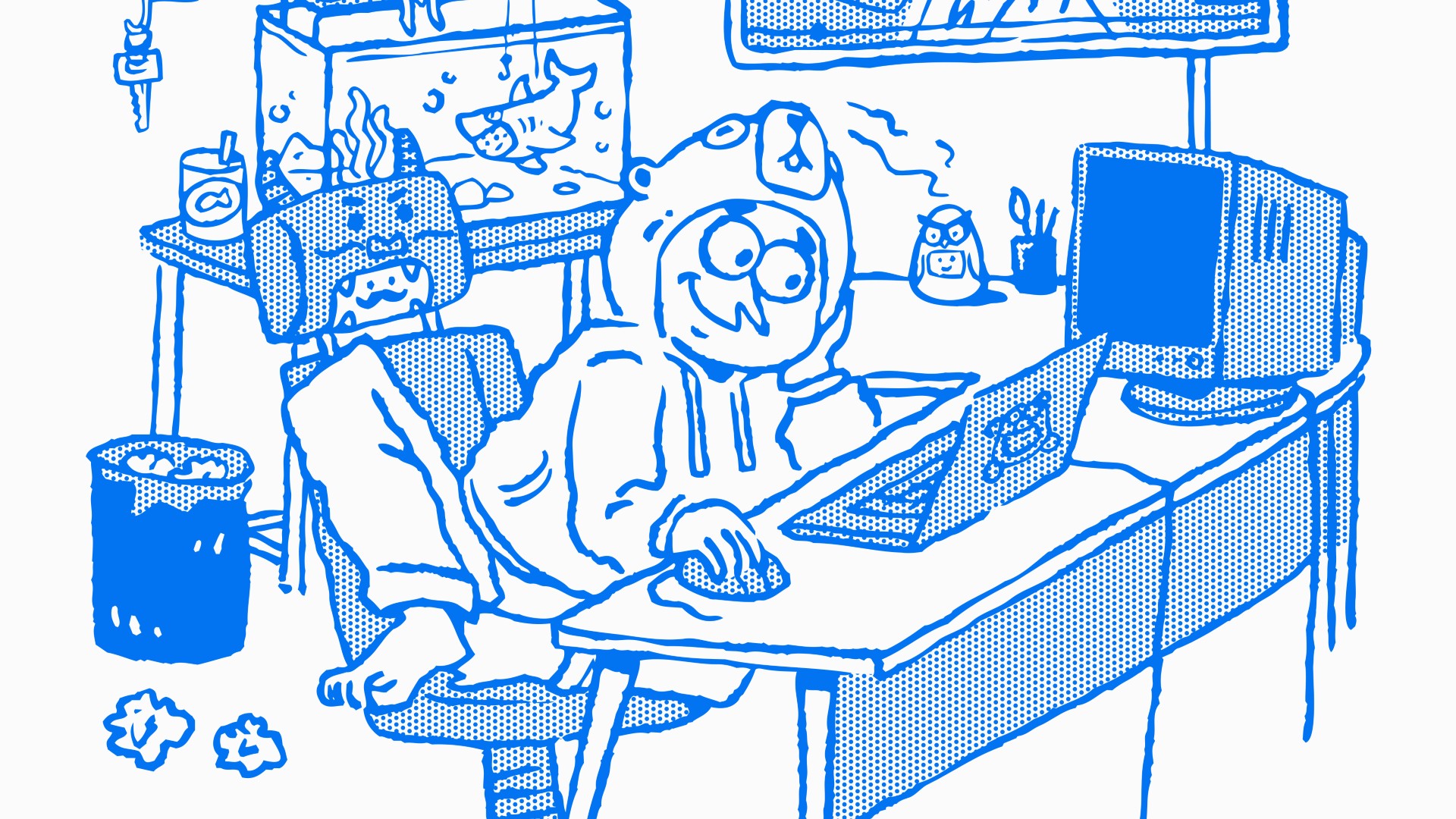
Animation has become one of the most powerful tools for storytelling, marketing and education. Businesses use it to explain complex ideas, showcase products and connect with audiences in a visually engaging way. When exploring animation for a project, one of the first questions that comes up is whether to use two dimensional or three dimensional animation. Many companies researching 3d animation services quickly realize there are significant differences between these two styles, each with its own strengths and creative possibilities.
At Hatch Studios, we have been producing animated content for decades, creating everything from explainers and commercials to product demonstrations and corporate videos. Over the years we have helped clients decide between 2D or 3D animation depending on their goals, audience and message. Both techniques can be incredibly effective when used in the right way.
In this article we will break down the differences between these animation styles, explain when each approach works best and explore how modern studios combine them to produce compelling visual storytelling.
What Is 2D Animation
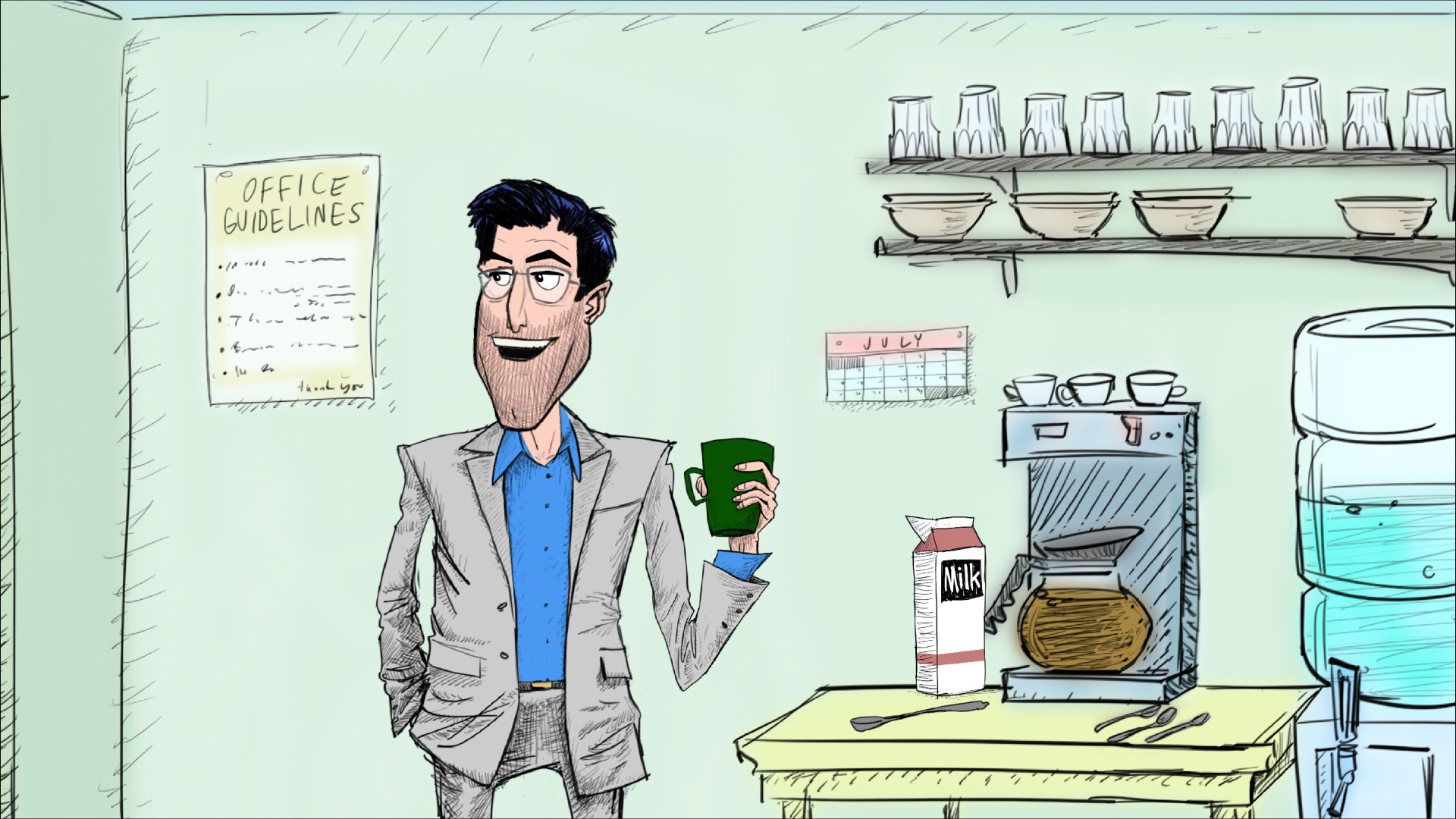
Two dimensional animation is the traditional form of animation most people recognize from classic cartoons. In this style, characters and environments are created on a flat plane using height and width but without depth. Everything appears on a single visual layer, even when complex movement and perspective are used.
Originally this animation style was created by drawing thousands of individual frames by hand. Today digital tools make the process much more efficient, but the core concept remains the same. Artists create illustrations and animate them frame by frame or through digital rigging systems.
2D animation is often used for:
- Explainer videos
- Educational content
- Brand storytelling
- Character driven narratives
- Corporate communication
- Social media marketing
At Hatch Studios we frequently produce this type of animation for marketing and educational projects. You can explore our 2D animation production services to see how this approach works in modern video production.
What Is 3D Animation
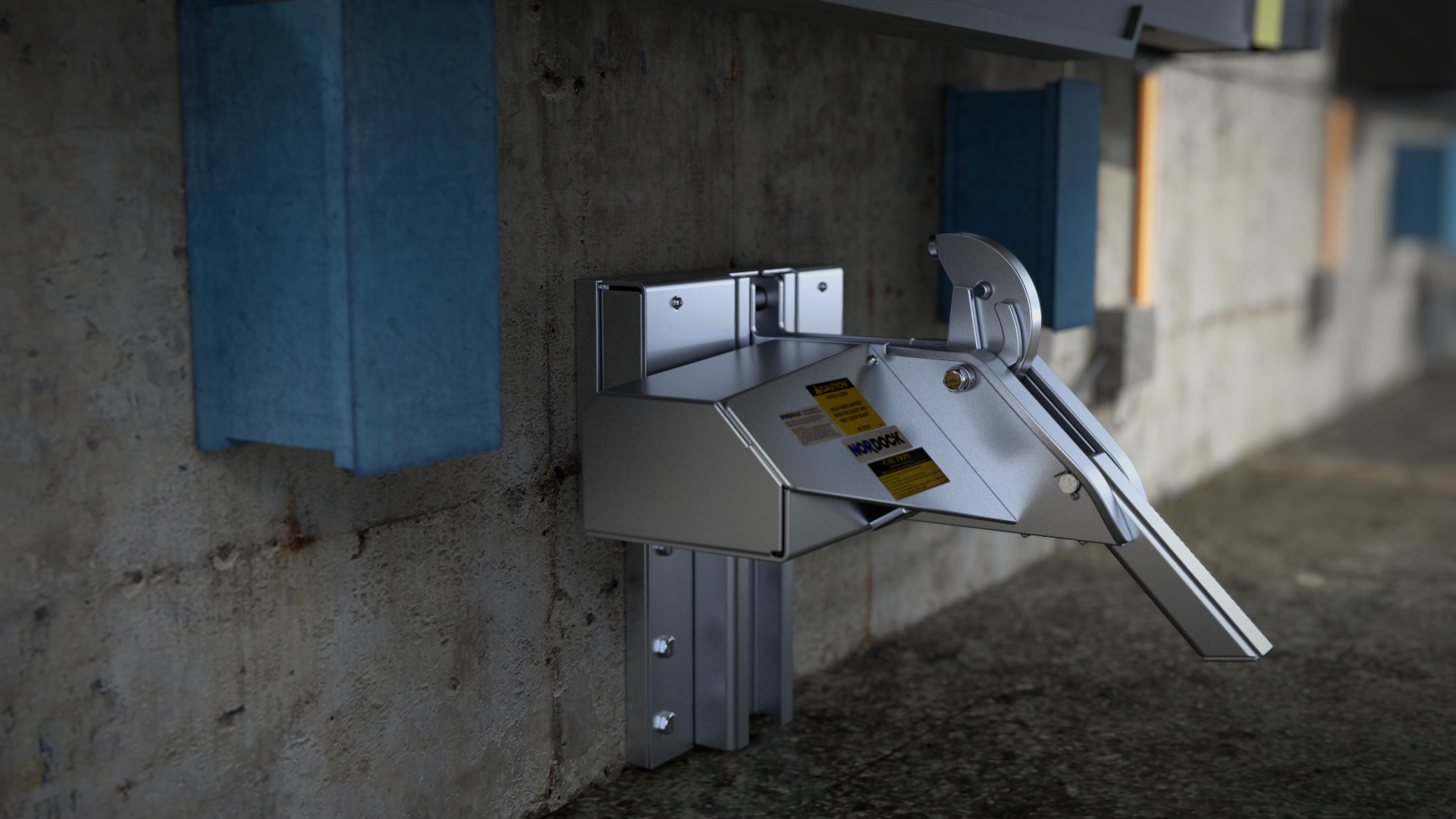
Three dimensional animation adds depth to the visual world. Instead of drawing flat images, artists build digital models that exist within a virtual three dimensional environment. These models can be rotated, lit and animated from any camera angle.
This allows for highly realistic movement and cinematic camera work. Objects can be viewed from every direction, giving scenes a natural sense of depth and perspective.
Because of these advantages, many companies choose 3d animation services when they want to showcase products or create highly immersive visuals.
Common uses include:
- Product visualization
- Architectural presentations
- Film and television animation
- Commercial advertising
- Medical and technical simulations
- High end marketing videos
Our team produces a wide range of 3d animations through our 3D animation production services. These projects allow brands to present products and ideas with a level of realism that traditional filming cannot always achieve.
The Core Difference Between 2D and 3D Animation
The most obvious difference in 2d animation vs 3d animation is the sense of depth. Two dimensional visuals exist on a flat plane, while three dimensional animation creates a fully modeled environment that can be explored from any angle.
However, the difference goes beyond just visual depth. The entire production process changes as well.
Visual Perspective
In 2D animation the perspective is often fixed or illustrated through creative drawing techniques. In 3D animation, the camera can move naturally through the scene just like a real camera in live action filmmaking.
Movement and Lighting
Lighting plays a huge role in 3D animation. Because objects exist in a digital environment, light sources interact with surfaces realistically. Shadows, reflections and textures respond dynamically.
In contrast, lighting in 2D animation is usually stylized and illustrated rather than simulated.
Production Workflow
Two dimensional animation focuses heavily on illustration and design. Artists create characters, backgrounds and scenes that define the visual style.
Three dimensional animation relies more on modeling, rigging and rendering. Characters and objects are built as digital models before animation begins.
Choosing Between 3D vs 2D Animation
When clients approach us about animation projects, they often ask whether they should choose 3d vs 2d animation. The answer depends on the message they want to communicate.
Each style offers unique benefits.
When 2D Animation Works Best
Two dimensional animation is often the best choice for storytelling driven videos. Its illustrated style allows for creativity, humor and expressive characters.
It also works very well for explainer content where simplicity and clarity matter more than realism.
Many businesses choose 2D animation for:
- Explainer videos
- Training content
- Educational storytelling
- Corporate messaging
- Brand introductions
You can explore these projects through our explainer video production services.
When 3D Animation Is the Better Option
Three dimensional animation shines when realism is important. Because objects are modeled with depth, they can be rotated, zoomed and examined from any angle.
This makes it perfect for product presentations and technical demonstrations.
Companies often rely on 3d animation services for:
- Product showcases
- Medical visualizations
- Technology demonstrations
- Commercial advertising
- Architectural concepts
Our product video production work often includes detailed 3D visuals that reveal features viewers would never see in live action footage.
Hybrid Approaches Combining 2D and 3D
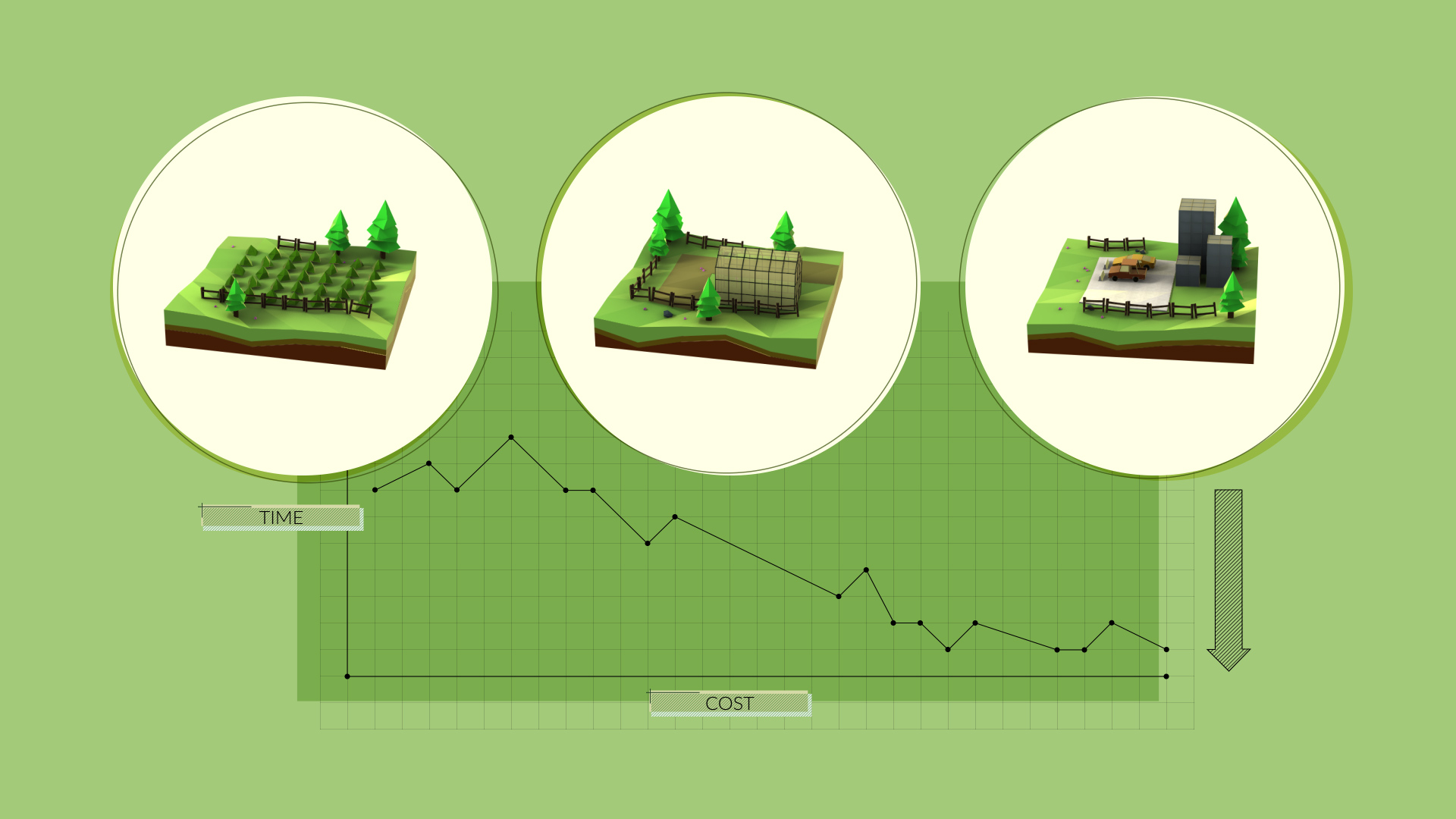
Many modern videos combine both styles. Mixing animation techniques can produce visually rich content that blends design with realism.
For example, a video might use 3D product models alongside motion graphics overlays or animated icons. This hybrid approach is common in marketing and corporate communication.
At Hatch Studios we often combine multiple techniques through services like motion graphics production and visual effects production.
This allows us to create visuals that are both informative and visually exciting.
The Role of Animation in Explainer Videos
Explainer videos are one of the most popular uses of animation today. These short videos help businesses explain products, services or ideas in a clear and engaging way.
Both 2D and 3D animation work well for this format. The choice depends on the subject matter.
Two dimensional explainers are often used for storytelling and brand messaging. Meanwhile 3d animated explainers work well for technical demonstrations or product breakdowns.
At Hatch Studios we have spent decades producing animated explainer videos for companies around the world. You can explore some of our projects here: Hatch Studios Work.
The Importance of Style in Animation
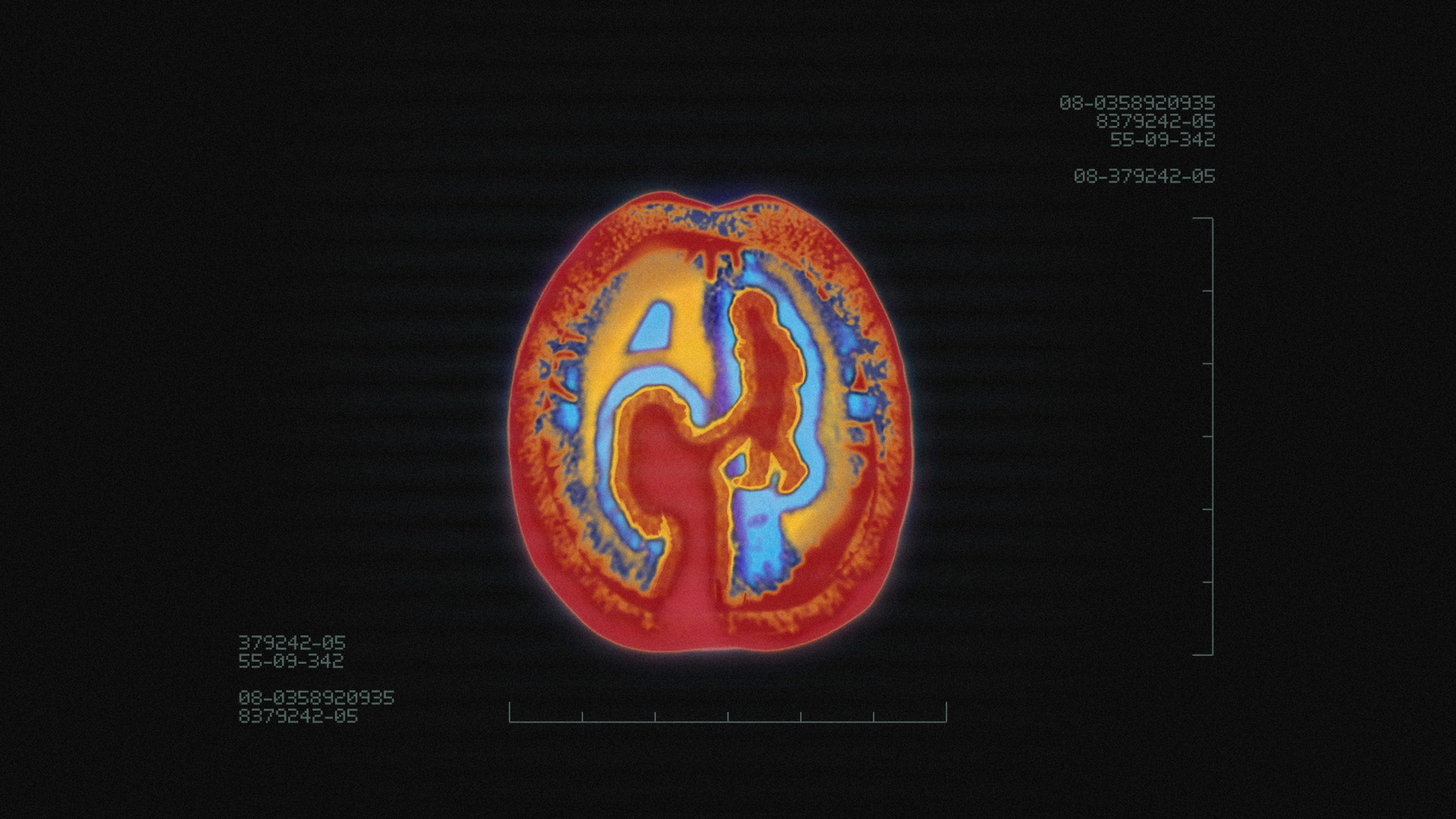
Visual style plays a huge role in how audiences respond to animation. Some brands prefer playful illustration while others want sleek cinematic visuals.
When deciding between 2d or 3d animation, it is important to consider the overall tone of the project.
Some animation styles feel friendly and approachable. Others feel polished and technical. Choosing the right look helps reinforce your brand identity.
You can explore different visual approaches through our animation styles page.
The Production Process Behind Animated Videos

Even though 2D and 3D animation use different techniques, their overall production pipeline is quite similar.
Every project usually includes:
- Concept development
- Scriptwriting
- Storyboarding
- Visual style design
- Animation production
- Sound design and editing
At Hatch Studios we guide clients through every stage of this process. You can learn more about our workflow here: animation process.
This structured approach ensures that each project runs smoothly from initial concept to final delivery.
Why Experience Matters in Animation Production
Animation is both a creative and technical discipline. Producing high quality visuals requires experience, skilled artists and strong production management.
Many businesses searching for 3d animation studios quickly realize that the quality of work can vary dramatically between companies.
Working with an experienced studio ensures that your animation looks polished, communicates clearly and aligns with your brand.
At Hatch Studios we have been creating animated videos for decades. You can learn more about our background here: about Hatch Studios.
Our team has produced content for industries ranging from healthcare and technology to education and consumer products. Explore our industry experience here: animation industries.
Animation Across Different Types of Business Videos
Both 2D and 3D animation are used in many different video formats. Businesses today rely on animation to enhance a wide range of communication efforts.
Some common uses include:
- corporate video production for internal communication
- marketing video production for advertising campaigns
- training video production for employee education
- 3D logo production for brand identity
Animation makes these videos more engaging and easier for audiences to understand.
The Future of Animation
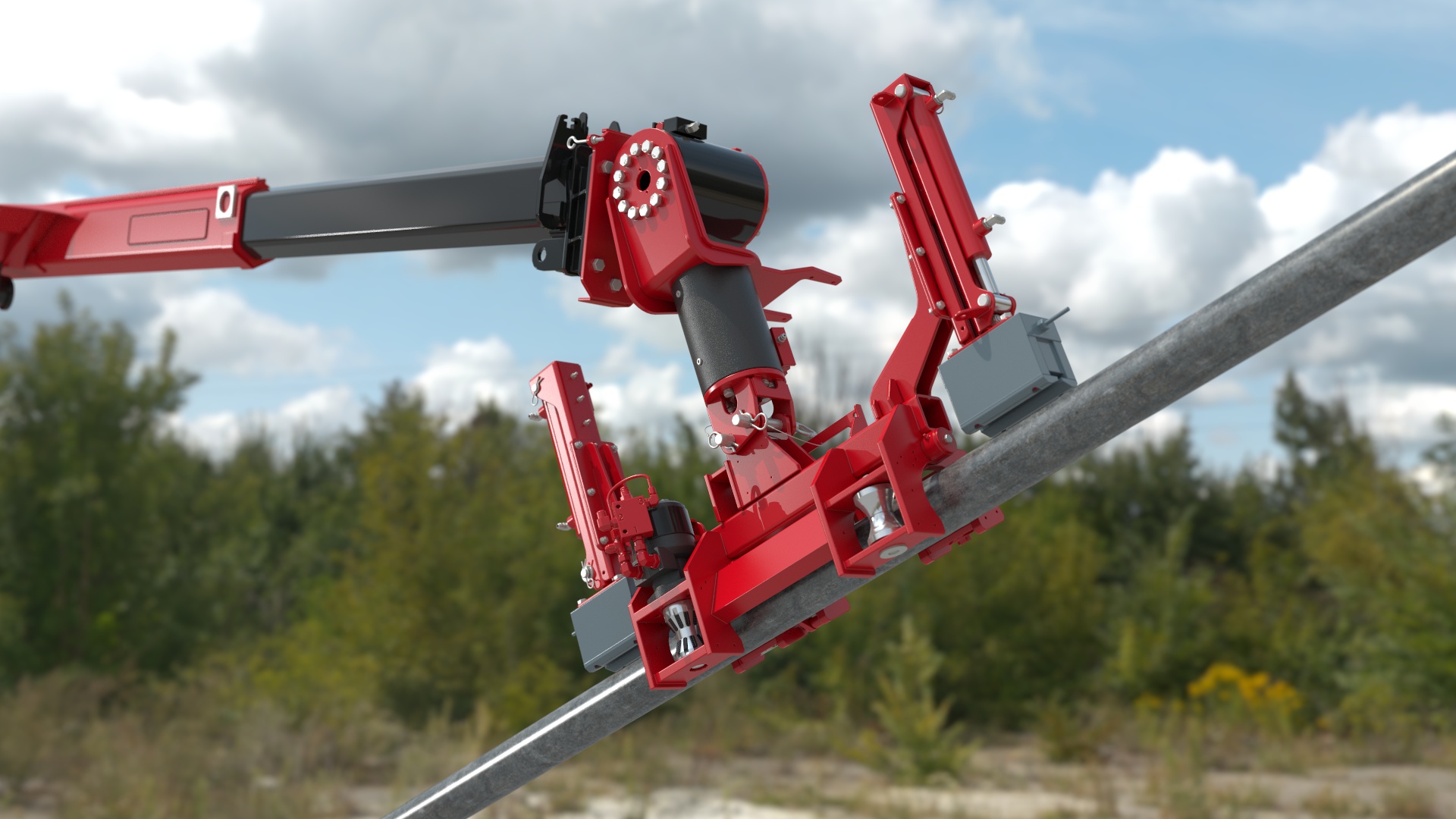
Technology continues to push animation forward. New rendering engines, real time graphics and advanced simulation tools are opening new creative possibilities.
At the same time, audiences expect higher visual quality than ever before. This means businesses increasingly rely on professional 3d animation services and animation studios to help them stand out.
As animation evolves, the line between 2D and 3D continues to blur. Hybrid workflows and creative experimentation allow artists to combine the best elements of both styles.
Final Thoughts
Understanding the difference between 2D and 3D animation helps businesses choose the right approach for their video projects. Each style has its own strengths. Two dimensional animation offers simplicity and creative storytelling while three dimensional animation provides depth and realism.
At Hatch Studios we enjoy helping clients navigate the decision between 2d animation vs 3d animation. With decades of experience producing animated explainers, marketing videos and product visualizations, we know how to match the right style to the right message.
If you are considering animation for your next project, we would love to help bring your ideas to life. You can explore more resources on our blog or reach out to us directly through our contact page.