
Corporate Videography vs. Corporate Video Production
When modern business leaders decide to invest in visual content, they often encounter terminology that seems interchangeable on the surface. Many organizations assume that corporate videography and full scale video production represent the exact same service under slightly different titles. However, confusing these two disciplines can lead to misaligned expectations, stretched budgets, and visual assets that fail to achieve their intended business goals. Understanding how these approaches differ is critical when choosing how to tell your brand story, showcase innovations, or communicate with enterprise stakeholders.
At its core, the distinction lies between capturing an event as it unfolds and architecting a strategic narrative from the ground up. Both methods hold clear value in business communication, but they operate with entirely different workflows, crew sizes, planning phases, and technical capabilities. Whether you are documenting an annual corporate conference or engineering a broadcast commercial with computer generated imagery, picking the right creative path ensures your marketing capital delivers maximum impact. Let us explore the fundamental differences between these two visual mediums and clarify which approach best aligns with your organizational vision.
Defining Corporate Videography: Capturing Reality as It Happens

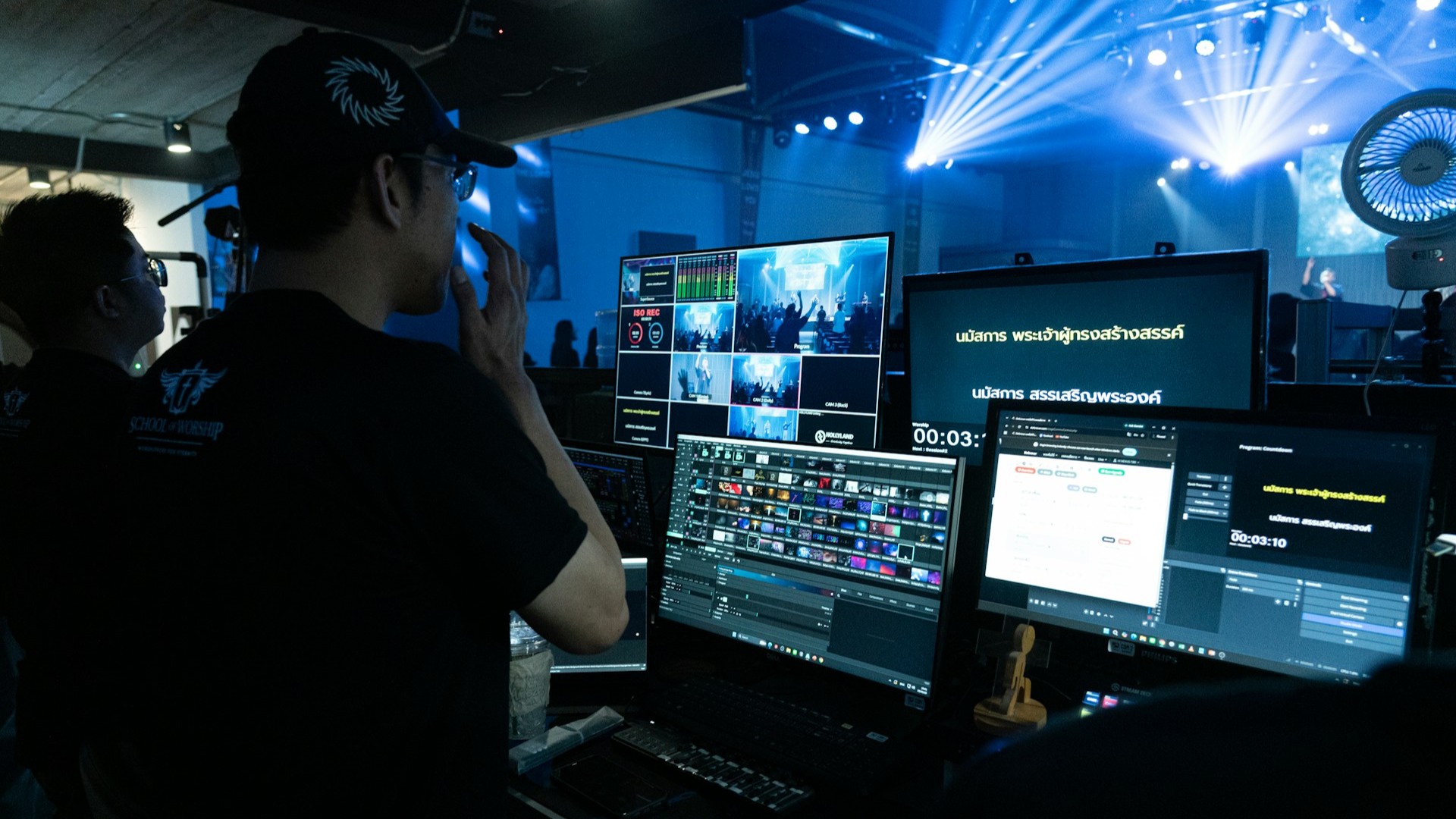
Corporate videography is essentially the practice of documenting live, unscripted, or real time events using physical camera gear. A corporate videographer is typically a nimble, agile creator or part of a small documentary style crew. They arrive on location equipped with high definition cameras, handheld gimbals, compact LED lighting panels, and portable audio recording devices.
Their primary operational mission is observation and rapid capture. Rather than designing custom environments or writing scripted dialogue, videographers focus on capturing the energy and authenticity of real world occurrences as they take place.
Common applications for corporate videography include:
- Documenting annual shareholder meetings, conferences, and executive galas
- Capturing candid b roll footage of employees working in an active corporate office
- Filming live panel discussions, keynote presentations, and trade show booths
- Conducting straightforward talking head customer testimonials and employee spotlight interviews
The greatest strength of videography is its immediacy and operational agility. Because it requires minimal pre production planning, a videographer can often be booked on short notice to record an essential milestone, assemble a highlight reel, and deliver finished footage with relatively fast turnaround times.
The Natural Boundaries of Videography

While capturing authentic moments is wonderful for internal company updates or social recap clips, videography brings distinct limitations when an enterprise needs to convey complex ideas or build market authority:
- Restricted to External Physical Surfaces: A camera lens can only capture what physically exists in front of it. It cannot travel inside an engine block, show how cloud data routes across servers, or illustrate microscopic biological reactions.
- Environmental Vulnerability: Videographers are at the mercy of their filming environments. Background noise in a bustling factory, poor architectural acoustics, unpredictable weather, and unflattering office fluorescent lighting can compromise final quality.
- Lack of Narrative Architecture: Videography primarily documents what happens. It rarely involves deep conceptual strategy, bespoke scriptwriting, custom sound design, or meticulous visual pacing designed to drive specific customer conversions.
When businesses attempt to use simple videography to explain multi tiered technology or launch ambitious brand campaigns, the resulting footage often feels flat, uninspired, and disconnected from broader strategic goals.
What Is Corporate Video Production?

Corporate video production is a holistic, multidisciplinary process engineered to communicate strategic messaging, evoke specific emotional responses, and achieve concrete business outcomes. It is not merely the act of pointing a camera at a subject; it is the comprehensive craft of concepting, writing, directing, designing, animating, and mastering a visual piece from a blank slate.
When a company commits to producing a corporate video through a dedicated studio, the engagement begins long before any footage is captured or rendered. The process starts with strategic discovery. Directors and visual strategists examine your target market, analyze competitive positioning, identify audience pain points, and define the single primary action viewers must take upon watching.
A full scale production workflow involves specialized experts collaborating across every phase:
- Strategic Development and Conceptualization: Crafting narrative themes, identifying core value propositions, and defining visual styles.
- Scriptwriting and Storyboarding: Writing conversational voiceover dialogue, sketching frame by frame animatics, and establishing visual pacing.
- Art Direction and Design: Curating color palettes, designing 2D or 3D assets, building custom typography, and styling environments.
- Execution and Animation: Sculpting 3D geometry, simulating lighting physics, directing character movement, or filming scripted scenes with dedicated crews.
- Post Production and Audio Architecture: Layering bespoke sound effects, mixing original musical scores, recording professional voice talent, and finalizing color grading.
While videography documents an existing reality, full scale production builds a tailored visual universe specifically designed to persuade, educate, and convert.
Key Differences: Videography vs. Video Production
To understand why these disciplines serve different business needs, look at how they compare across foundational operational categories:
| Comparative Dimension | Corporate Videography | Corporate Video Production |
|---|---|---|
| Primary Objective | Documenting real world events and recording live actions | Architecting strategic narratives to drive business conversions |
| Team Structure | Single shooter or small run and gun camera crew | Multidisciplinary team of directors, writers, 3D artists, and sound designers |
| Pre Production Investment | Minimal; basic call sheets and equipment checks | Extensive; research, scriptwriting, styleboards, and animatics |
| Control Over Visuals | Limited to available physical spaces and ambient lighting | Absolute control over every asset, reflection, angle, and pixel |
| Technical Mediums | Physical cameras, standard lenses, and portable audio | 3D animation, motion graphics, 2D art, and visual effects |
| Typical Use Cases | Event recaps, panel recordings, and simple office tours | Product launches, brand films, explainer videos, and investor pitches |
Recognizing these distinctions ensures that your leadership team selects the proper scope of service, avoiding the frustration of hiring a videographer for a project that genuinely requires full scale production expertise.
Why Animation Is the Defining Frontier of Modern Production

In the modern corporate world, many of the most valuable innovations are entirely intangible. Cloud architecture, enterprise cybersecurity algorithms, artificial intelligence pipelines, biotechnology therapies, and advanced hardware components cannot be effectively recorded with a traditional video camera.
This is where the discipline of animation elevates production corporate capabilities far beyond what traditional camera crews can accomplish. By removing physical limitations, animation gives businesses total creative freedom to explain the unexplainable.
1. Revealing the Invisible with 3D Precision
For industrial machinery, medical devices, automotive engineering, and consumer hardware, physical camera lenses only see the plastic or metal casing. Through high end 3D animation production, businesses can take audiences on cinematic journeys through microscopic microchips, show exploded assemblies suspended in mid air, and demonstrate fluid dynamics with flawless optical clarity.
2. Conceptual Clarity Through Motion Graphics
When communicating abstract data sets, financial growth metrics, or complex software user interfaces, dedicated motion graphics production brings dynamic clarity to the screen. Kinetic typography, modular graphics, and sleek camera moves transform dry corporate spreadsheets into compelling visual narratives.
3. Human Empathy and Warmth with 2D Animation
When a corporate initiative addresses sensitive human resources topics, community missions, or healthcare patient pathways, physical cameras can sometimes feel intrusive. Custom 2D animation production allows organizations to build charming, relatable characters that disarm viewer skepticism and communicate empathy with universal warmth.
4. Seamless Visual Effects and Hybrid Storytelling
By integrating live camera footage with photorealistic computer generated environments through specialized visual effects production, organizations create high impact presentations that merge human emotion with futuristic technical sophistication.
Strategic Applications Across the Enterprise Lifecycle
A thoughtfully produced visual asset is an adaptable corporate tool that delivers substantial returns across multiple internal and external departments:
High Converting Digital Marketing Campaigns
In crowded digital feeds, static graphics and standard office clips get overlooked. Deploying dynamic commercials through strategic marketing video production grabs attention immediately, articulates unique selling propositions, and directs high intent prospects toward dedicated landing pages.
Simplifying Solutions with Animated Explainers
Prospective corporate clients rarely sign contracts for tools they do not understand. Incorporating concise explainer video production onto core product pages eliminates buying friction, answering complex questions within ninety seconds before buyers ever speak with a sales representative.
Demonstrating Unreleased Physical Products
Waiting for physical manufacturing runs before initiating marketing efforts costs valuable time. Utilizing photorealistic product video production allows hardware companies to use early engineering CAD data to create broadcast ready product showcases months before physical units roll off the factory line.
Streamlining Employee Onboarding and Safety Training
Dense compliance manuals and text heavy safety protocols frequently result in low knowledge retention and operational mistakes. Converting standard operating procedures into modular training video production modules shortens the learning curve for incoming staff and ensures verified operational compliance.
Elevating Brand Prestige with Custom Signatures
Bookending executive presentations and digital advertising campaigns with bespoke 3D logo production reinforces institutional permanence, signaling quality and authority across every screen.
When to Choose Videography vs. Video Production

Deciding which creative route to commission depends entirely on your project goals, your audience, and the nature of what you are communicating.
Choose Corporate Videography When:
- You need to document a live event, conference, ribbon cutting, or corporate summit for archival or social recap purposes.
- Your primary goal is recording spontaneous employee or client interviews in an authentic office environment.
- You need fast, budget conscious b roll footage of real people interacting in physical facilities.
- The subject matter is straightforward and requires zero visual explanation of hidden mechanics or abstract data.
Choose Corporate Video Production When:
- You are launching a flagship product, rebranding your enterprise, or pitching high net worth investors.
- Your service or technology involves complex data flows, software platforms, or internal engineering that cannot be filmed with a camera.
- You require absolute control over lighting, color grading, pacing, and visual perfection.
- You need a multi format marketing asset designed to boost landing page conversion rates and drive measurable revenue growth.
When organizations search for corporate video production experts to solve high stakes communication hurdles, they are seeking strategic partners who can engineer persuasive narratives, not just individuals who know how to operate camera rigs.
Decades of Corporate Animation Excellence with Hatch Studios

Crafting cinematic visual narratives that demystify complex corporate concepts, captivate stakeholders, and drive business growth requires an uncommon balance of technical mastery, storytelling discipline, and commercial acumen. At Hatch Studios, we have been developing high quality corporate videos, animated commercials, and digital brand experiences for decades.
As an established creative studio, our passionate team of directors, designers, 3D sculptors, and animators has collaborated with emerging technology startups, creative agencies, and global Fortune 500 corporations across a broad spectrum of animation industries. We understand how to take dense engineering schematics, proprietary software algorithms, or multi tiered corporate missions and translate them into polished visual narratives that inspire action.
Whether your organization requires the warm accessibility of 2D character art, the high impact realism of 3D digital worlds, or an eclectic blend of versatile animation styles, our comprehensive animation services manage every production milestone under one roof.
We believe that exceptional production relies on transparent communication and structured execution. Our proven animation process guides your project smoothly through concept development, scriptwriting, styleboards, animatics, professional voiceover casting, 3D modeling, lighting, and final audio sweetening.
Even when prospective clients mistakenly search online for coorporate video production or simple event documentation, they quickly discover that achieving enduring commercial impact requires the elevated craft of a dedicated production pipeline.
To see our visual storytelling in action, take a moment to explore our portfolio of recent client work. You can also visit our about page to learn more about our studio heritage, or read our blog for fresh production insights and creative industry perspectives.
Selecting the Right Creative Direction for Your Brand

In a digital marketplace crowded with generic footage and fleeting social trends, visual excellence is your most visible competitive asset. While corporate videography plays an essential role in recording history and capturing spontaneous workplace moments, full scale video production creates the future by shaping how the world perceives your brand.
By understanding the distinct roles of videography and comprehensive video production, your executive team can allocate marketing capital with strategic confidence. When your goal is to articulate visionary ideas, reveal hidden engineering, and drive lasting commercial growth, partnering with experienced production artists ensures your story is told with the polish, authority, and creative brilliance it deserves.
Are you ready to elevate your corporate communication and showcase your business with world class production standards? Reach out to our creative team through our contact page today, and let us bring your vision to life.
FAQ
What is the difference between corporate videography and corporate video production?
Corporate videography focuses on recording real-world events, interviews, conferences, and workplace activities as they happen. Corporate video production is a comprehensive process that includes strategic planning, scriptwriting, storyboarding, design, animation, filming, and post-production to create content that supports specific business goals.
When should a business hire a corporate videographer?
A corporate videographer is ideal for recording conferences, shareholder meetings, trade shows, executive presentations, employee interviews, and company events. Videography is particularly useful when businesses need authentic footage of real people and activities, quick turnaround times, and a relatively straightforward production approach.
Why is animation important in corporate video production?
Animation allows businesses to explain concepts that traditional cameras cannot capture, including internal machinery, microscopic processes, software workflows, and abstract data. Through 2D animation, 3D animation, motion graphics, and visual effects, companies can communicate complex information clearly while maintaining complete control over visual style and brand consistency.
What does the corporate video production process involve?
The corporate video production process typically includes strategic discovery, concept development, scriptwriting, storyboarding, art direction, filming or animation, sound design, and final editing. Depending on the project, it may also involve 3D modeling, motion graphics, professional voiceover recording, visual effects, and color grading to deliver a polished, goal-oriented video.
How can businesses choose the right corporate video service?
Businesses should choose based on their objectives, subject matter, budget, and intended audience. Videography is suitable for documenting live events and capturing authentic workplace footage. Full-scale corporate video production is better for product launches, marketing campaigns, investor presentations, training materials, and complex concepts that require strategic storytelling, animation, or specialized visual effects.