
How Automotive 3D Rendering Is Transforming Vehicle Marketing
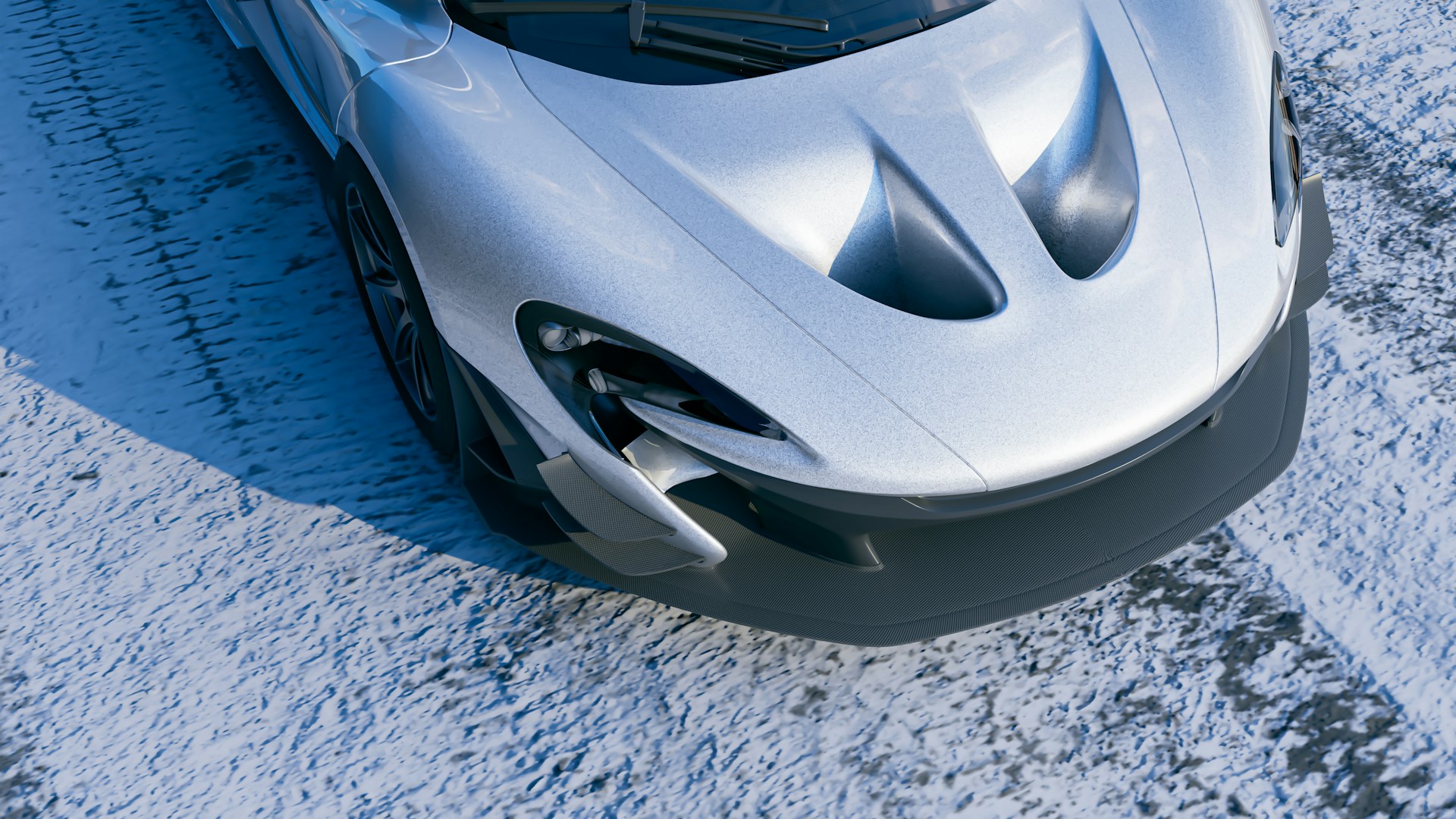
Marketing a vehicle has always been about creating desire. The right image needs to make a car look powerful, sophisticated, luxurious, practical, or exciting before a potential buyer ever gets behind the wheel. Today, automotive 3D rendering has become one of the most effective ways for manufacturers and automotive brands to create those images. Instead of relying entirely on photography and physical prototypes, marketers can create highly detailed digital vehicles and place them into virtually any environment, lighting setup, or visual scenario.
This flexibility has changed the way cars are presented in advertising. From television commercials and online campaigns to product launches and dealership materials, high quality 3D imagery gives automotive marketers far more creative freedom. It also makes it possible to showcase vehicles that may not yet exist as finished production models.
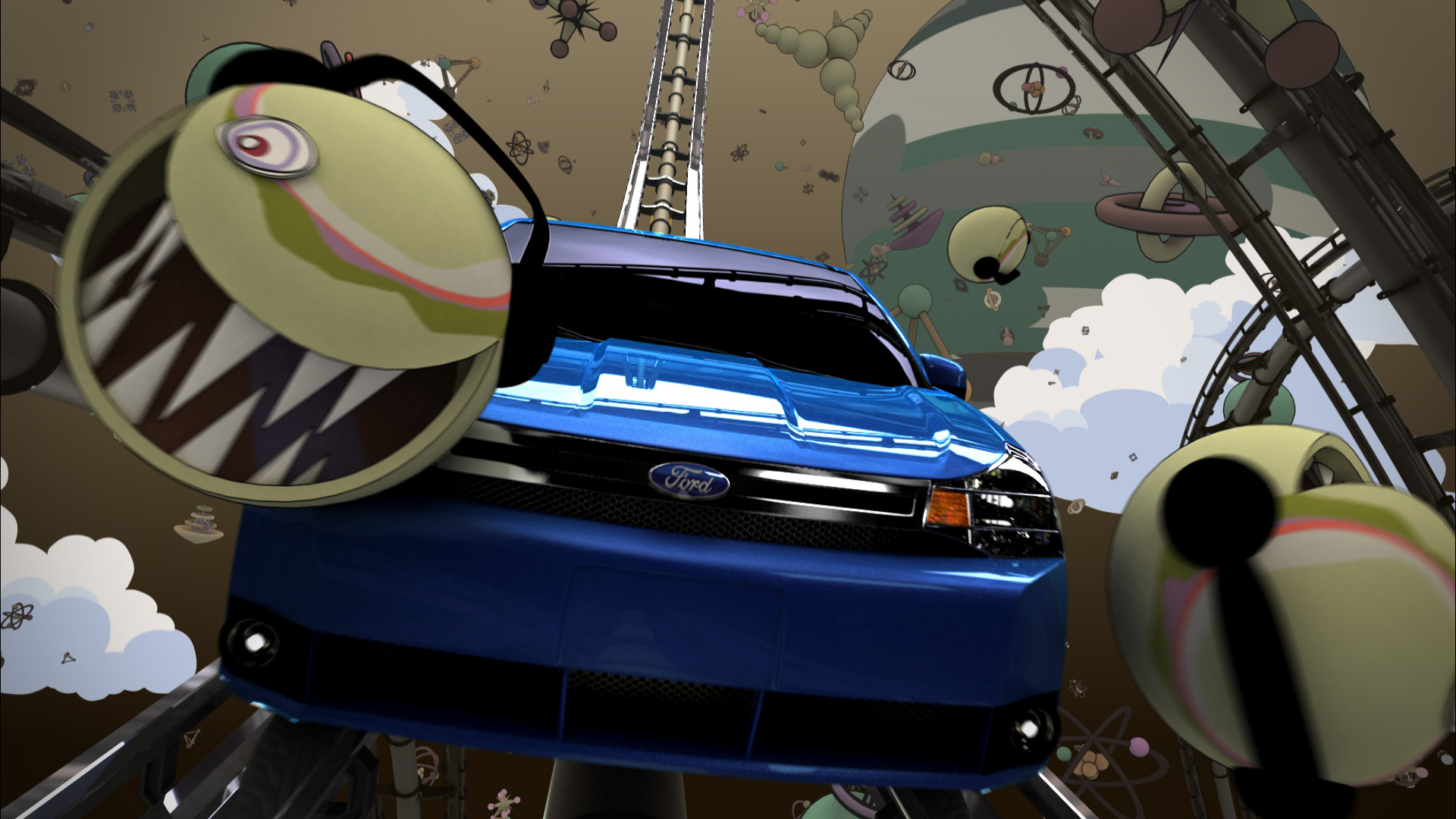
At Hatch Studios, we have been developing high quality 3D vehicle renders and animation for decades. We have worked with many well known automotive manufacturers and have produced numerous commercials for Ford, along with other automotive projects that demonstrate how powerful digital vehicle visualization can be.
Why 3D Rendering Works So Well for Automotive Marketing
Cars are highly visual products. Buyers respond to body lines, proportions, paint finishes, wheels, lighting, interiors, and the overall personality of a vehicle. Traditional photography can capture these elements beautifully, but it comes with practical limitations.
A physical vehicle has to exist before it can be photographed. A location has to be found and prepared. Lighting needs to be arranged. Weather can affect an outdoor shoot, and moving a vehicle between locations adds time and expense. If the manufacturer wants to change the colour, wheels, background, lighting, or angle after the shoot, there can be significant limitations.
With 3D car rendering, many of these limitations disappear.
A digital vehicle can be recreated with extraordinary detail, allowing marketers to control virtually every aspect of the image. The car can be placed on a mountain road, inside a futuristic city, on a racetrack, in a studio, or in an entirely imaginary environment. The lighting can be adjusted to create a particular mood, from bright daylight to dramatic nighttime illumination.
This makes automotive rendering particularly useful for advertising campaigns where the vehicle itself needs to be the star of the image.
Creating the Perfect Car Before It Hits the Road

One of the biggest advantages of digital vehicle visualization is the ability to market a vehicle before it is physically available.
Automotive manufacturers invest enormous amounts of time developing new models. By the time a vehicle reaches production, marketing teams may already have been working on its launch strategy for months or even years. Waiting for finished vehicles to become available for photography can create unnecessary limitations.
A digital model provides another option.
Once the appropriate 3D data is available, a car rendering can be developed for promotional images, advertising, launch videos, dealership materials, websites, social media campaigns, and other marketing applications.
This is especially valuable for concept vehicles and pre production models. A manufacturer can create polished marketing visuals without having to transport a finished vehicle around the world for a traditional photo shoot.
The result is greater flexibility during one of the most important stages of a vehicle’s life.
Automotive 3D Rendering Gives Marketers More Creative Freedom
A conventional automotive photo shoot is constrained by the physical world. A digital production is constrained primarily by imagination, technical requirements, and budget.
That difference opens up enormous creative possibilities.
Imagine a vehicle travelling through a city that has not been built yet. Or a sports car driving across a dramatic landscape at sunset with perfectly controlled reflections across its bodywork. A luxury SUV could be shown navigating an environment that would be difficult or dangerous to access with a camera crew and physical vehicle.
These scenarios can be created through a combination of 3D modeling, rendering, animation, compositing, lighting, visual effects, and post production.
At Hatch Studios, we approach projects as complete visual productions rather than simply creating a digital model of a vehicle. Our 3D animation production capabilities allow us to combine detailed automotive models with environments, camera movement, lighting, effects, and animation to create finished marketing content.
This can be particularly effective when a vehicle needs to communicate more than its physical appearance. A commercial may need to communicate performance, innovation, technology, safety, luxury, or a particular lifestyle. Digital production allows all of these ideas to become part of the visual story.
More Than a Pretty Picture
High quality automotive rendering is not simply about making a car look realistic. It is about making the vehicle communicate something.
Lighting can make a vehicle appear aggressive or refined. Camera angles can emphasize its proportions. Reflections can highlight the curvature of the bodywork. Environments can establish a particular lifestyle or audience. Animation can demonstrate how a feature works.
For example, a manufacturer could use 3D animation to show how an electric vehicle’s battery system works. Another campaign could reveal the internal components of an engine before transitioning to the completed vehicle. A safety campaign could visually demonstrate the operation of advanced driver assistance systems.
These are situations where photography alone may not be enough.
3D rendering allows marketers to move between realistic product imagery and explanatory visual storytelling within the same production.
Using 3D Car Rendering Across an Entire Campaign
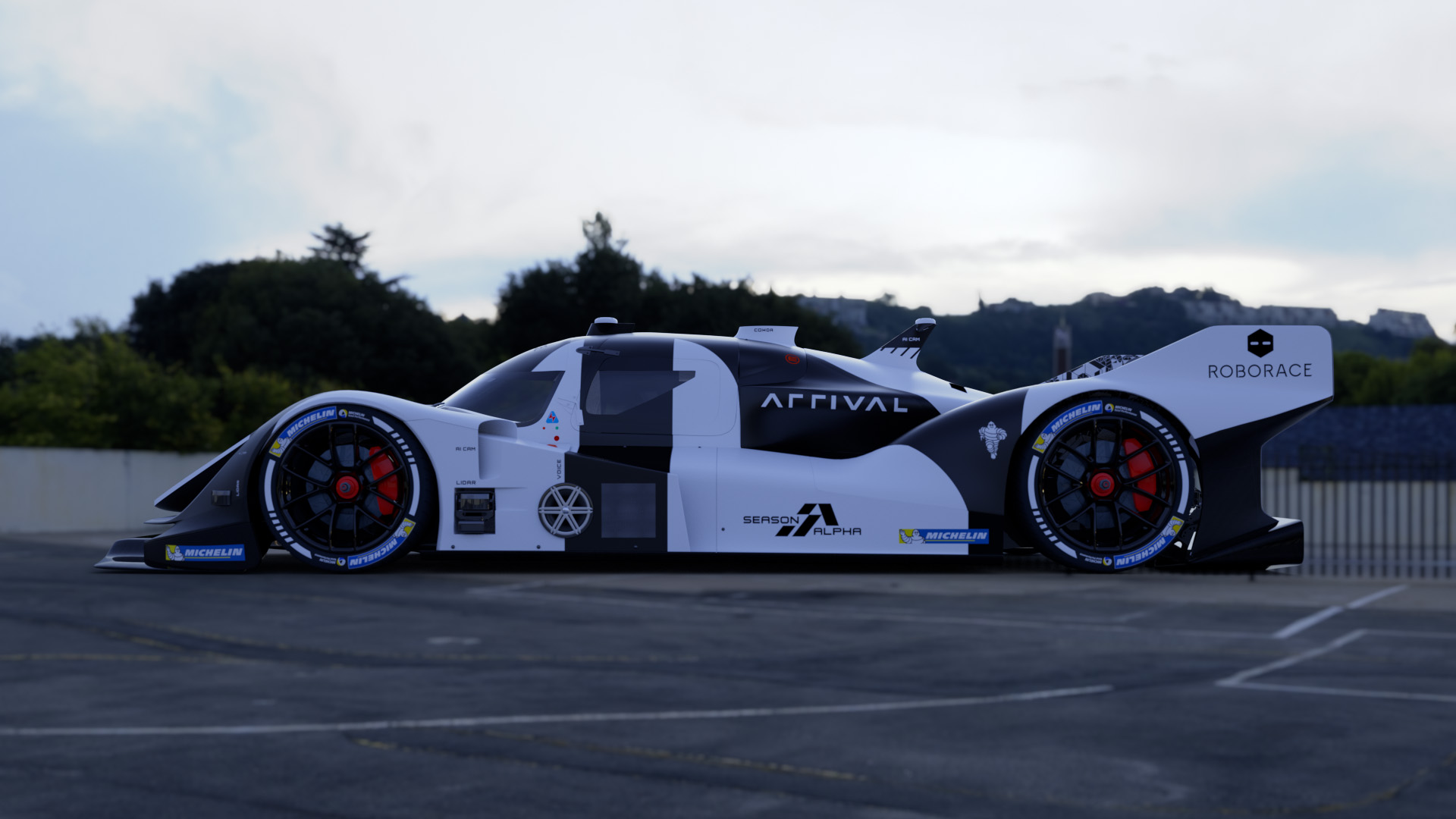
Another major advantage of digital automotive content is reuse.
A single 3D vehicle asset can potentially become the foundation for a much larger marketing campaign. Once the vehicle has been modeled and prepared properly, it can be rendered from different angles, placed in different environments, animated in different ways, or adapted for different media.
This can help create visual consistency across an entire campaign.
A manufacturer might use a hero image on its website, a short animated advertisement on social media, a longer commercial for television, and product imagery for dealership displays. Each piece can have a different purpose while maintaining the same visual representation of the vehicle.
This is one reason automotive 3D rendering can be such a valuable long term marketing asset rather than a one time production.
Bringing Automotive Advertising to Life With Animation
Still images are powerful, but moving images can tell a much larger story.
Automotive advertising has always relied heavily on motion. Cars are designed to move, and showing them in motion immediately communicates qualities such as speed, handling, performance, comfort, and capability.
Digital animation provides complete control over that movement.
A vehicle can accelerate through a digital environment, rotate for a product reveal, transition between different configurations, or be shown interacting with a variety of environments. Cameras can move around the vehicle in ways that would be extremely difficult to achieve with traditional equipment.
Our animation services include 3D animation, motion graphics, visual effects, and other production techniques that can be combined to create automotive marketing content.
For some campaigns, realistic rendering may be the primary focus. For others, a combination of motion graphics production and 3D animation may be more appropriate. The visual approach depends on the message, audience, platform, and goals of the campaign.
Realistic Rendering Creates Stronger Product Visualization
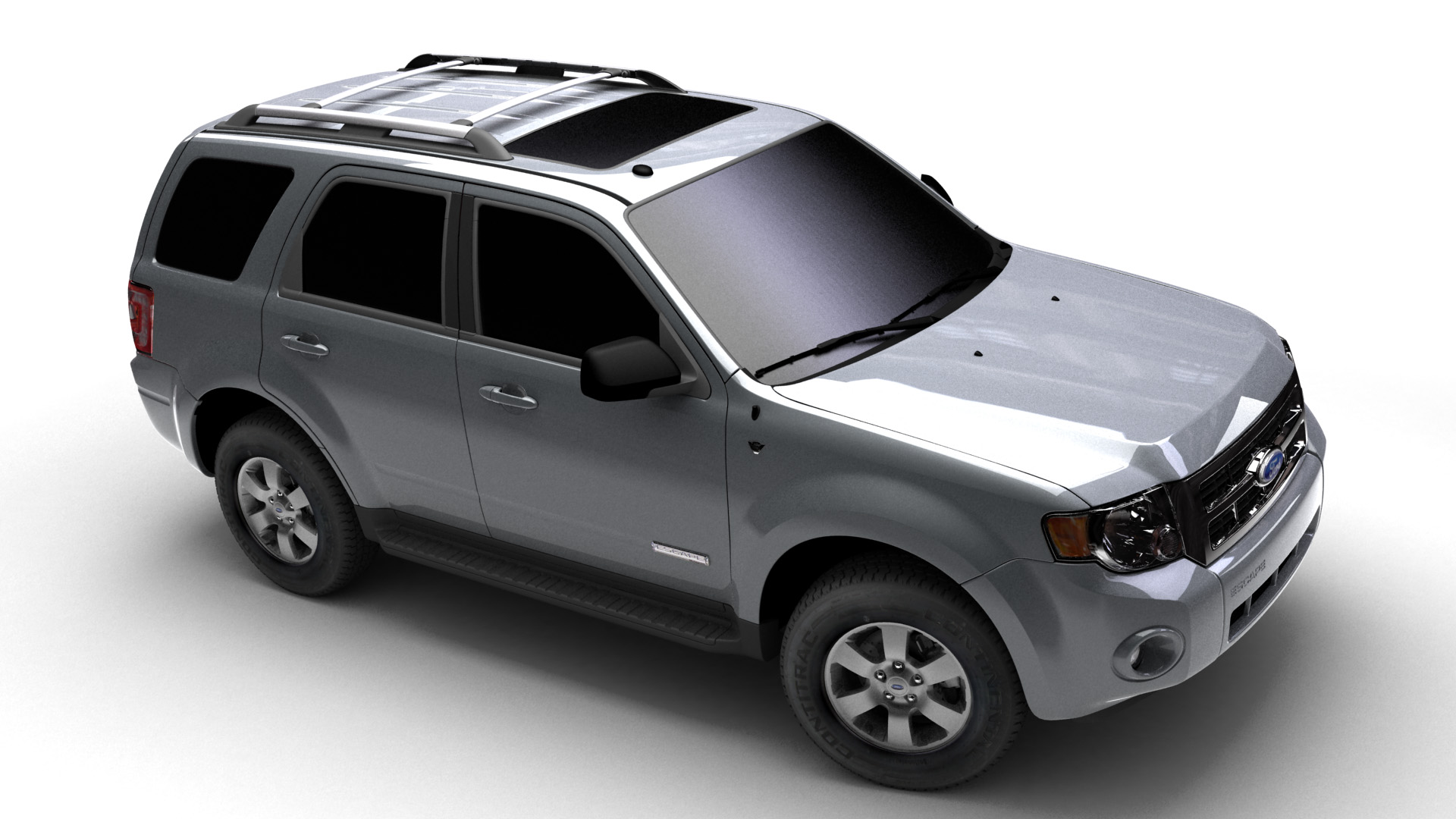
Automotive buyers often want to understand a vehicle before they ever visit a dealership.
They want to see its exterior from multiple angles. They want to understand the interior. They want to examine features and compare configurations. Digital vehicle visualization can help provide this information in a visually engaging format.
A carefully produced automotive render can communicate details that ordinary marketing copy cannot.
The shape of a grille, the texture of an interior, the finish of a dashboard, the appearance of a wheel design, and the interaction between light and paint can all be represented visually. When these elements are combined with animation, marketers can create product demonstrations that are both informative and visually compelling.
This is particularly useful for vehicles with advanced technology or complex features that are difficult to explain through traditional photography.
Creating Images That Would Be Difficult to Photograph
One of the most interesting benefits of 3D rendering is that it does not have to imitate conventional photography.
It can go far beyond it.
A digital vehicle can be shown partially assembled, surrounded by technical graphics, travelling through an abstract environment, or interacting with visual effects. The camera can pass through the vehicle to reveal internal components. A vehicle can be disassembled into individual parts and then reconstructed on screen.
These techniques are particularly effective when a campaign needs to explain engineering or technology.
Automotive rendering can therefore occupy a space somewhere between product photography, animation, visualization, and visual effects. Rather than choosing one technique, a production can combine several approaches to achieve the desired result.
The Importance of High Quality Automotive Rendering Services
Not every 3D model automatically produces a convincing automotive image.
Vehicles are particularly demanding subjects because viewers are familiar with how cars look. Small problems with reflections, proportions, materials, lighting, or body surfaces can make an otherwise technically accurate model feel artificial.
Professional automotive rendering services require an understanding of both the technical and artistic sides of the process.
Lighting needs to behave naturally across curved surfaces. Paint materials need to respond correctly to their environment. Glass, chrome, rubber, plastic, leather, and brushed metal all require different material properties. Camera lenses and depth of field need to produce believable results.
At Hatch Studios, our experience producing commercial animation and visual content has taught us how important these details are. We combine technical production with creative direction so that the finished image is not only accurate, but also visually persuasive.
Hatch Studios and Automotive Visualization
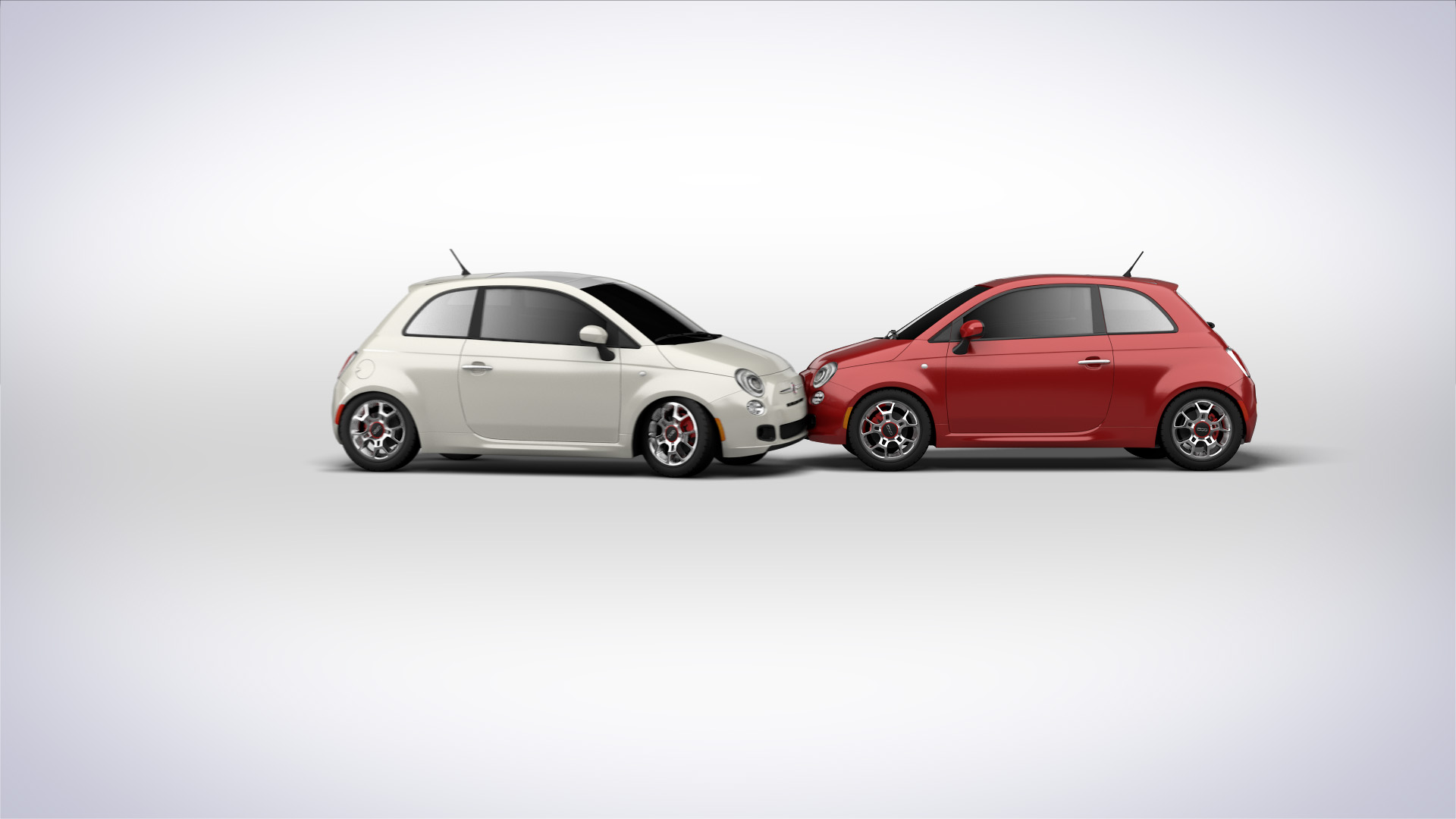
At Hatch Studios, we have been creating high quality animation and 3D visual content for decades. Automotive work has been an important part of that experience, and we have had the opportunity to work with many recognizable automotive manufacturers and brands.
Our work has included numerous commercials for Ford, giving us extensive experience with the demands of automotive advertising and the level of detail required to make vehicles look their best on screen.
Our work portfolio provides an overview of the type of visual production we create across different industries and applications. Automotive projects can require a combination of 3D animation, rendering, compositing, motion graphics, and visual effects, depending on the campaign.
We also understand that every project has different requirements. Some clients need a short product animation. Others need a complete commercial with environments, characters, effects, sound, and post production. Our animation process is designed to take a project from initial discovery through scripting, storyboarding, visual development, production, and final delivery.
A Flexible Alternative to Traditional Automotive Photography
Traditional photography will always have an important place in vehicle marketing. Physical vehicles, real locations, and authentic photography can create a distinctive look that digital production does not necessarily need to replace.
The real advantage of 3D is flexibility.
A production can combine photography and digital rendering when that makes sense. A physical vehicle might be filmed in one environment while a digitally rendered vehicle is used for another sequence. Visual effects can then combine the elements into a single finished commercial.
This hybrid approach gives automotive marketers another set of creative tools.
Rather than asking whether photography or 3D rendering is better, the more useful question is which approach can communicate the campaign idea most effectively.
The Future of Automotive Marketing Is Highly Visual
Vehicle marketing continues to become more visual, more interactive, and more adaptable to different platforms. Consumers may encounter a new vehicle through a television commercial, website, social media post, digital advertisement, online configurator, product video, or interactive experience.
Each of these formats creates an opportunity for high quality digital vehicle content.
A well constructed 3D model can become a valuable foundation for that ecosystem. The same vehicle can be rendered as a still image, animated in a commercial, integrated into an explainer, or adapted for another digital application.
That flexibility is one of the reasons automotive 3D rendering has become such an important part of modern vehicle marketing.
Creating Better Vehicle Stories With 3D
The strongest automotive marketing does more than show a car. It creates a reason to care about it.
A vehicle may represent performance, freedom, innovation, practicality, luxury, sustainability, or a particular lifestyle. Digital production gives marketers the tools to build visual stories around those ideas without being limited by physical locations or production logistics.
For manufacturers launching new models, advertising agencies developing campaigns, and brands looking for distinctive product content, 3D rendering can provide an extremely flexible creative foundation.
At Hatch Studios, we bring decades of experience to that process. From detailed car rendering and vehicle visualization to complete animated commercials, we work with clients to create visuals that make vehicles look impressive while supporting the larger marketing message.
As automotive brands continue to compete for attention across an increasingly crowded digital landscape, the ability to create compelling, realistic, and imaginative vehicle imagery is becoming more valuable. 3D rendering gives marketers the freedom to show not only what a vehicle looks like, but what it feels like to own, drive, and experience it.
That is ultimately what makes digital automotive visualization so powerful. It turns a vehicle from a product into a visual story. Get in touch with us today to learn more.
FAQ
Why is automotive 3D rendering effective for vehicle marketing?
Automotive 3D rendering gives marketers greater creative flexibility than traditional photography. Vehicles can be shown in virtually any environment, lighting setup, camera angle, or visual scenario without the limitations of physical locations and prototypes.
What is 3D car rendering used for?
3D car rendering can be used for advertising, product launches, television commercials, websites, social media campaigns, dealership materials, product demonstrations, and other automotive marketing applications.
How can automotive rendering help market vehicles before they are produced?
Digital vehicle models can be rendered before finished production vehicles are available for photography. This allows manufacturers to create promotional images, animations, and launch materials for new and concept vehicles earlier in the marketing process.
Can automotive rendering be used for animation and commercials?
Yes. A detailed digital vehicle can be animated in different environments and combined with camera movement, lighting, motion graphics, visual effects, and compositing to create complete automotive commercials and marketing videos.
What makes professional automotive rendering services important?
Professional automotive rendering services combine technical accuracy with artistic direction. Proper materials, reflections, lighting, camera work, and surface details are essential for creating realistic vehicle imagery that looks convincing and supports the marketing message.