
Create a step-by-step guide on the modern animation production process
When you watch a sleek, moving visual on screen, it is easy to get lost in the final magic. Whether it is a dynamic commercial, a software walkthrough, or an engaging short film, there is an incredible amount of strategy, art, and technical engineering working behind every single frame. Navigating a complete animation production process takes a concept from a rough napkin sketch to a finished asset ready to captivate an audience.
At Hatch Studios, we have been developing high-quality animated explainer videos for decades. Over the years, we have seen production technology shift from traditional setups to high-speed rendering engines. Yet, the core principles of great visual storytelling remain unchanged. Let us lift the hood on how a modern studio transforms ideas into memorable media assets through a structured animation pipeline.
Phase 1: Pre-Production (Laying the Foundation)

Before an artist touches a digital tablet or moves a virtual camera, a massive amount of planning takes place. Pre-production is the foundational blueprint of the entire animation creation process. If you skip steps here, making structural changes later down the line becomes messy and expensive.
1. Discovery, Consultation, and Strategy
Every successful project begins with clear alignment. During the initial consultation, we sit down with clients to understand their business, target market, and primary goals. Are we trying to drive sales for a new product, train internal teams, or break down a complex medical concept? We review or outline the script, determine the ideal length, and discuss the visual approach.
2. Concept Development and Scriptwriting
Concept development shapes the overall vision. This is where brainstorms turn into concrete creative paths, character designs, and environmental moods. The script serves as the backbone of the entire project, locking in the messaging, pacing, and narrative beats.
3. Storyboard Development
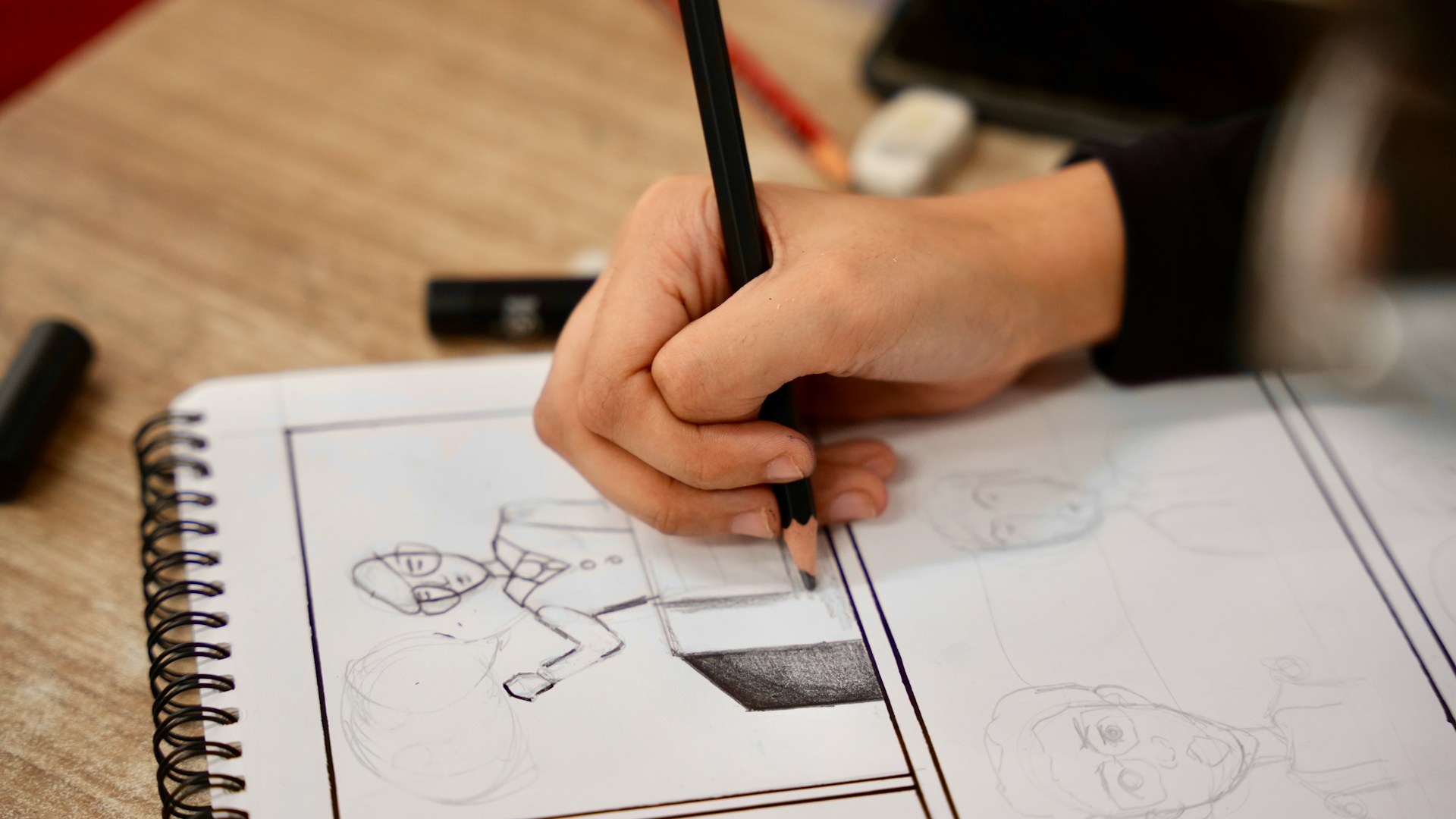
Once the script is approved, it is time to turn those words into visuals. A storyboard is a sequence of sketches arranged scene by scene, complete with dialogue and action notes. It acts as a visual map, allowing everyone to see how the camera angles, shot flows, and narrative timing work together before heavy production begins. For larger projects, these panels are often timed out to audio to create an animatic.
4. Voiceover Selection
Audio carries half the emotional weight of a video. A well-chosen voice enhances clarity and instantly builds trust with the audience. We source and recommend professional voiceover artists that fit the exact tone, gender, and regional dialect required for the project, locking in the voice recording so animators have precise audio cues to work with.
Phase 2: Production (Bringing the Visuals to Life)

Production is where the heavy artistic work happens. Depending on the medium chosen, this is where raw concepts turn into actual moving digital geometry or illustrated layouts.
  PRE-PRODUCTION             PRODUCTION               POST-PRODUCTION
┌─────────────────┐     ┌──────────────────┐     ┌───────────────────┐
│ Discovery       │     │ Asset Modeling / │     │ Compositing &     │
│ Scriptwriting   │ ──► │ Illustration     │ ──► │ Special Effects   │
│ Storyboarding   │     │ Rigging & Layout │     │ Sound Design      │
│ Voiceover Sync  │     │ Main Animation   │     │ Final Delivery    │
└─────────────────┘     └──────────────────┘     └───────────────────┘
5. Asset Creation and Environment Layout
Before elements can move, they have to be built. In a 2D animation production process, artists illustrate clean characters, icons, and background scenes. In a 3D animation production process, digital modelers sculpt assets out of virtual polygons, applying detailed textures and surface shaders so materials reflect light realistically.
6. Rigging
If characters or complex mechanical parts are involved, they require a digital skeleton. Technical directors place virtual joints, bones, and facial controls inside the assets. This structural plumbing allows animators to manipulate facial expressions, limb movements, and gear turns smoothly without distorting the digital mesh.
7. The Core Animation Phase
This is the most labor-intensive step in the entire animation workflow. Artists place graphics, characters, and assets along a timeline, animating them frame by frame.
- For 2D projects, this might involve digital puppet manipulation or traditional frame-by-frame drawings.
- For 3D projects, animators pose rigs, set keyframes, and refine timing to ensure weight, gravity, and emotion feel completely natural.
- For data-driven projects, our motion graphics production team animates typography, charts, and abstract shapes to make complex information engaging and easy to digest.
8. Lighting and Rendering (3D)
In 3D projects, virtual lights are placed inside the digital scenes just like on a real Hollywood movie set. Artists set up key lights, fill glows, and shadows to match the mood. Once lighting is locked, powerful computers compile all the mathematical calculations, light bounces, and textures into rendered image passes.
Phase 3: Post-Production (The Final Polish)

Post-production is where all the separate pieces are seamlessly assembled into a single, cohesive cinematic file.
9. Compositing and Visual Effects
Compositing is the art of bringing everything together. Artists stack the rendered visual layers, background art, and character files into a single frame. Using advanced visual effects production tools, we adjust color grading, layer in motion blur, fine-tune depth of field, and add subtle particle glows to give the final video a polished, high-end feel.
10. Sound Design, Audio Mixing, and Music
A video is only half of the sensory experience; audio carries the rest. During this phase, sound designers layer in custom audio effects for every movement on screen. From subtle interface clicks to atmospheric ambient noise, sound effects make the digital world feel real. We then mix the voiceover, sound effects, and background music track into a balanced audio master.
11. Delivery and Implementation
Once the final draft is reviewed and approved, the project is encoded into high-performance digital formats. Whether you need horizontal files for website landing pages, vertical aspect ratios for mobile social media, or high-bitrate broadcast files, we deliver master files ready for immediate deployment. You retain complete ownership of the completed video.
Tailoring the Process for Business Goals

While the overarching animation production pipeline remains consistent, we adjust the specific technical steps to match different commercial needs:
- Product Demonstrations: For companies launching new physical hardware or merchandise, our product video production workflows focus heavily on photorealistic 3D modeling and cutaway lighting passes to highlight internal mechanics.
- Corporate and Marketing Campaigns: High-energy commercial spots utilize marketing video production strategies to focus on fast-paced character hooks and strong calls to action.
- Educational and Software Demos: For complex platforms or onboarding, explainer video production and training video production workflows use simplified graphics and clear interface abstractions.
- Brand Identity: To give your media library a unified presence, we can craft a custom signature sequence using 3D logo production to anchor all your video intros and exits.
Why Partnering with an Experienced Studio Matters

Understanding how animation is made gives you a deep appreciation for the balance of creative artistry and technical discipline required at every stage. While automated online apps and cheap template generators promise quick results, a generic tool cannot study your specific market, analyze your competitors, or build a scalable visual asset library for your brand.
We have refined our methodology for over twenty years. We have guided clients across dozens of animation industries, including software, healthcare, energy, and global logistics. We take the friction out of production by maintaining clear communication at every milestone.
You can learn more about our creative history, explore our global portfolio of past work, or read in-depth case studies on our official corporate blog. To see a full breakdown of our stages, you can explore the official Hatch Studios animation process page directly.
If you are ready to turn your ideas into a high-performance visual asset, simply visit our contact page to get in touch with our team. Let us review your goals, study your message, and guide you through a smooth, stress-free creative journey.
FAQ
What are the main stages of the animation production process?
The animation production process consists of three primary phases: pre-production, production, and post-production. Pre-production focuses on planning and strategy, production brings artwork and animations to life, and post-production combines visuals, sound, and effects into the finished video.
Why is pre-production important for animation projects?
Pre-production establishes the project’s creative direction through discovery, scriptwriting, concept development, storyboarding, and voiceover planning. Investing time in this phase helps prevent costly revisions and keeps the production process running smoothly.
What happens during the production phase of animation?
During production, artists create characters and environments, build rigs for animation, animate scenes, and, for 3D projects, add lighting and render the final image sequences. This is where concepts are transformed into engaging moving visuals.
What does post-production include in an animation workflow?
Post-production includes compositing, visual effects, color grading, sound design, music, audio mixing, and final encoding. These finishing touches give the animation a polished, professional appearance ready for distribution across websites, social media, broadcast, or other platforms.
How can businesses benefit from a professional animation production process?
A professional animation pipeline creates high-quality videos tailored to specific business goals, whether for product demonstrations, explainer videos, marketing campaigns, or employee training. Working with an experienced studio ensures consistent branding, efficient production, and assets that can deliver long-term value.