
10 Benefits of Using Educational Cartoons in Modern Classrooms

The modern classroom is a vibrant, fast-paced environment where capturing a child’s attention is only half the battle. The real challenge lies in sustaining that engagement long enough to plant the seeds of deep understanding. Traditional teaching methods certainly have their place, but today’s students are native digital consumers who process the world around them through dynamic visual media. Introducing structured education cartoons into daily lesson plans is no longer just a fun Friday treat, it is a highly effective pedagogical strategy that bridges the gap between abstract academic concepts and concrete young minds.
At Hatch Studios, we have spent more than twenty-five years watching how clear, purposeful storytelling transforms the way audiences of all ages absorb information. When you combine psychological insights with beautiful, fluid design, you create a powerful blueprint for long-term learning. Let us dive into ten incredible reasons why incorporating animated stories into modern school curricula can completely revitalize the learning experience for children.
1. Transforming Abstract Concepts into Tangible Realities
Children are naturally literal thinkers, which can make abstract subjects like microscopic biology, complex mathematical fractions, or long-lost historical eras difficult to grasp through spoken words alone. A textbook can explain that a plant cell converts sunlight into energy, but a vibrant learning cartoon can actually transport students inside the leaf itself, showing colorful little characters working together like a tiny, harmonious factory.
Animation gives educators the rare power to make the invisible visible. It allows complex data flows, historical timelines, and scientific processes to take on physical shape and movement. By turning a dense reading assignment into an engaging cartoon of learning, you give students a clear mental image that they can hold onto, lowering the cognitive barrier and making difficult topics feel immediately accessible.
2. Skyrocketing Classroom Engagement and Information Retention
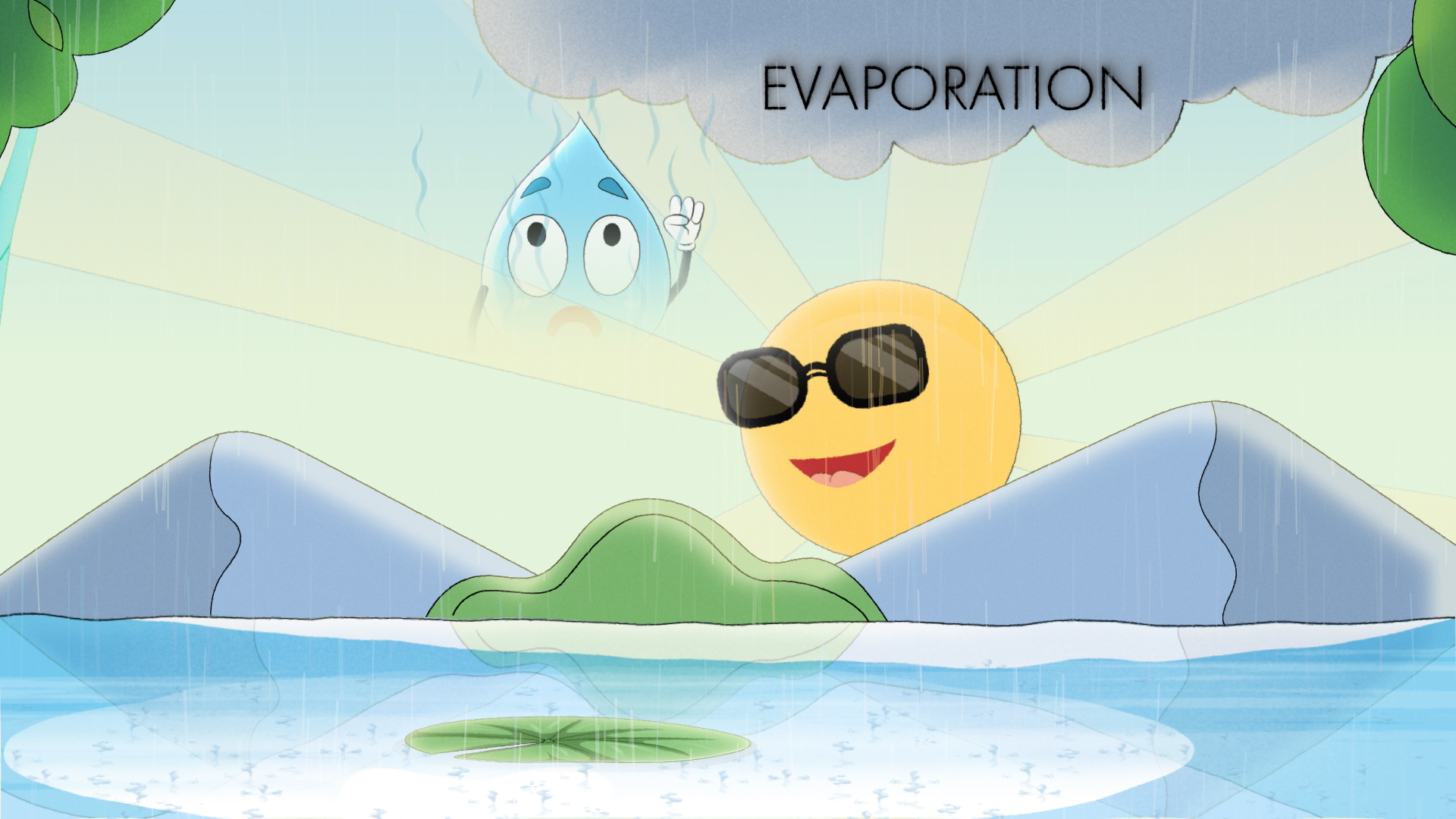
Every teacher knows that a bored student is a student who isn’t retaining information. The human brain is naturally hardwired to recognize and respond to moving imagery, contrasting colors, and melodic soundscapes far faster than static black text on a white page. When lessons use high-quality cartoons for teaching, the classroom dynamic changes instantly.
This intense visual engagement directly feeds into better long-term memory. When a child associates a grammatical rule or a historical event with a memorable character action or a catchy animated sequence, they are much more likely to recall that data during a later review. It shifts the learning process away from stressful memorization and moves it into the realm of intuitive observation.
3. Supporting Multi-Sensory and Diverse Learning Styles
No two children learn in the exact same way. Some are highly auditory, others need strong visual cues, and many respond best to rhythmic patterns and narrative structures. Built from the ground up to combine expressive voiceovers, dynamic text, illustrative movement, and intentional sound effects, premium children’s educational cartoons naturally satisfy multiple learning modalities at the same time.
This inclusive design ensures that no student feels left behind, regardless of their primary learning style. For auditory learners, the character dialogue and musical cues clarify the point, while visual learners can track the changing shapes and environmental actions. It gives educators a versatile tool that speaks to the entire classroom simultaneously, evening out the playing field for everyone.
4. Normalizing Emotional Intelligence and Complex Social Situations
Education extends far beyond academic facts, reading comprehension, and math equations. Developing a strong sense of empathy, learning how to share, understanding conflict resolution, and managing big emotions are vital life skills that children must develop during their formative school years.
Because children form deep psychological bonds with fictional figures, using a thoughtful, knowledgeable cartoon can introduce delicate social themes in a completely safe, non-threatening manner. Watching a beloved character navigate a misunderstanding on the playground or express frustration in a healthy way gives young students a functional social blueprint to model in their own daily peer interactions.
5. Overcoming Language and Vocabulary Barriers Seamlessly

Modern classrooms are incredibly diverse, often welcoming students from a wide variety of linguistic backgrounds, including English language learners. Traditional text heavy lectures can inadvertently alienate these students, making it difficult for them to keep up with the core academic lesson while they are still decoding the baseline language.
Visual storytelling bypasses much of this friction. When you use educational cartoons for kids, the on-screen actions explain the vocabulary words in real time. If a character says the word evaporate while pointing to an animated water molecule turning to steam and drifting skyward, the student learns the term and the scientific concept simultaneously. It accelerates language acquisition while keeping the student completely aligned with the class curriculum.
6. Inspiring Playful Curiosity and a Lifelong Passion to Learn Cartoon Style
The best lessons are the ones that don’t feel like work at all. When children see education presented through a medium they already love and choose during their free time, their natural resistance to difficult subjects melts away. They begin to view the act of gaining new knowledge as a thrilling, joyful adventure.
An inspiring, creative animated video can spark a flurry of questions, prompting kids to check out books from the school library, design their own creative drawings, or ask their teachers to dive deeper into the topic. It reframes the educational process from a list of chores into an exciting exploration, showing them how to learn cartoon narratives with a sense of wonder that can fuel their academic journeys for decades to come.
7. Catering Safely to Shortened Attention Spans
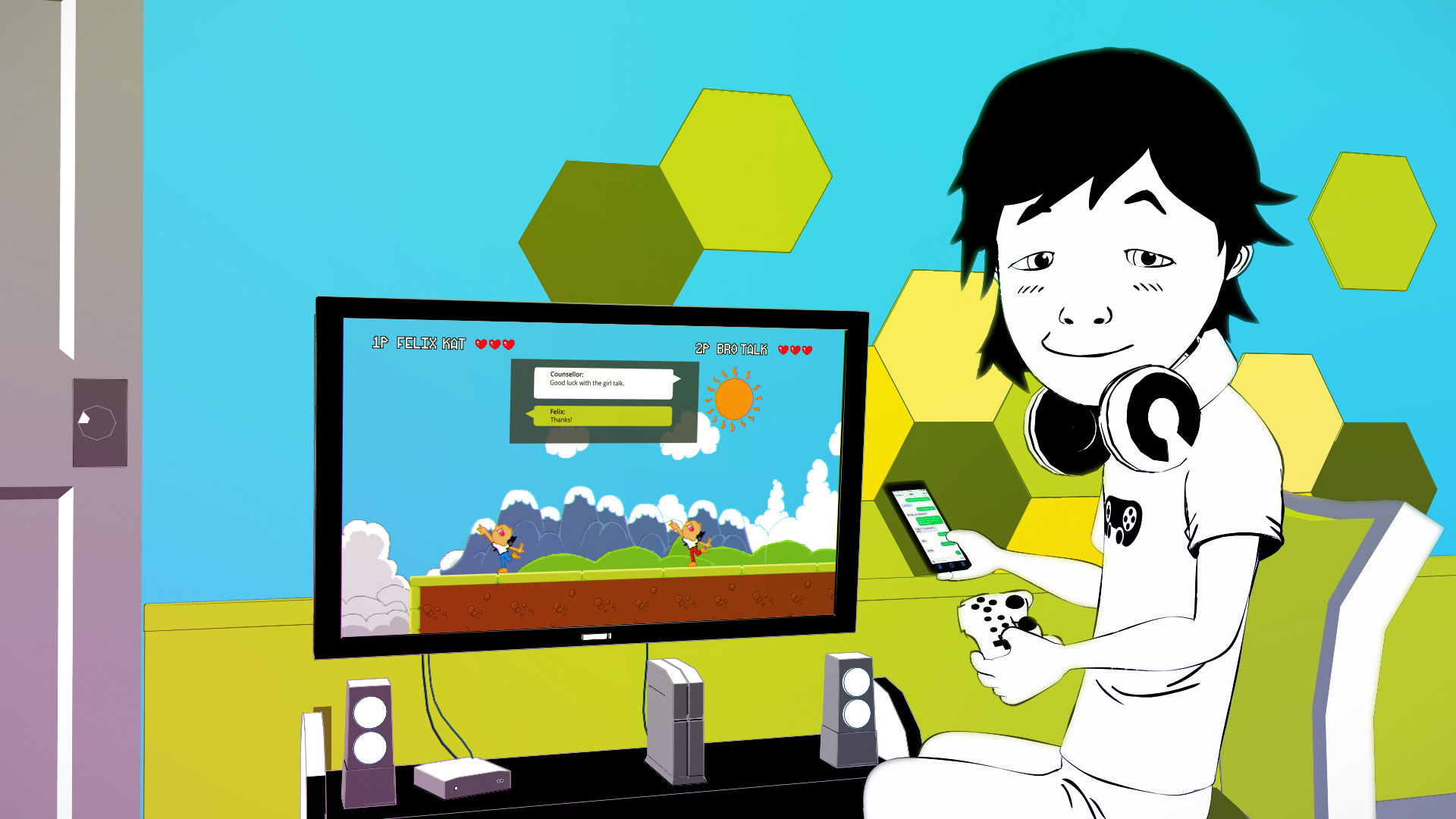
It is a well-documented reality that modern children, growing up surrounded by instant digital interfaces, navigate shorter attention spans than past generations. Forcing young students to sit through long, uninterrupted lectures often leads to restlessness, distraction, and classroom behavioral issues.
Animation solves this challenge by packing a massive amount of conceptual information into incredibly concise, fast-paced windows. A beautifully designed three minute animated video can explain the full water cycle or the foundation of democracy far more completely than a twenty minute textbook reading session. It allows teachers to deliver high-impact, concentrated bursts of knowledge that align perfectly with natural childhood attention spans.
8. Making Reptitive and Fundamental Math Drills Enjoyable
Mastering foundational basics, like multiplication tables, spelling structures, and phonics sounds, requires a significant amount of repetition. However, endless flashcards and repetitive worksheets can quickly drain a child’s enthusiasm, turning these essential building blocks into a source of academic anxiety.
Transforming these daily drills into playful cartoons for learning introduces rhythm, fun characters, and competitive game mechanics into the repetition. Whether it is a rhythmic song about prime numbers or a character counting blocks to build a bridge, the repetition feels like a game, keeping motivation high and cementing those crucial core fundamentals into the brain without the accompanying stress.
9. Creating Shared Classroom Experiences and Collaboration Catalysts

When a teacher screens an engaging animated video, it creates a unified, shared sensory experience that brings the entire classroom together. This shared moment serves as the perfect catalyst for collaborative group projects, lively classroom debates, and imaginative roleplaying exercises once the screen goes dark.
Teachers can pause the playback at critical narrative moments to ask students what they predict will happen next, or challenge them to write a new ending for the characters. This seamless transition from passive visual consumption to active, collaborative analysis turns a simple media tool into an interactive cornerstone for group learning and critical thinking development.
10. Building a Standardized and Scalable Resource for Educators
For schools and larger educational institutions, high-quality digital content offers incredible scalability and consistency. A perfectly crafted animated lesson ensures that every single student across different classrooms, districts, or even regions receives the exact same clear, accurate, and high-standard delivery of the material.
These digital assets never have a bad day, never miss a crucial detail due to fatigue, and can be reviewed by individual students at home as many times as necessary until the concept sticks. It gives teachers a highly reliable, premium baseline resource around which they can custom build their own unique discussions, tests, and hands on experiments.
The Hatch Studios Production Philosophy
Crafting media assets that successfully educate children requires a highly delicate balance of technical precision, behavioral psychology, and pure creative joy. You cannot simply throw bright colors at a screen and hope for the best, you must understand pacing, character design, and how to structure a narrative layout so it supports the learning objective without causing visual distraction.
This deep respect for clear communication is why so many corporate groups, educational publishers, and marketing teams seek out experienced production allies who have spent decades mastering the craft. At Hatch Studios, we have been developing premium visual assets for over twenty-five years. We look at every single project as a true collaborative relationship, guiding our partners through our organized, step-by-step animation process from early script development all the way to the final rendered files.
Our multi-disciplinary team manages every component completely in house, giving us the unique agility to shift smoothly between high-fidelity 3D animation production, flat, expressive 2D animation production, and crisp, modern motion graphics production. We hold ourselves to the highest technical standards to ensure that your corporate identity, educational goals, and brand standards remain absolutely pristine across every frame of your custom campaign.
Customizing Video Assets for Modern Educational Industries
The world of learning media is vast, and a visual strategy built for a preschool reading app will look entirely different from content designed to train corporate flight crews or clarify complex pharmaceutical software protocols. Premium animation services must adapt their visual tone, pacing, and vocabulary to match the exact context of the industry.
To explore how we approach these distinct stylistic challenges, you can browse our extensive work archive to witness the deep care and detail we pour into our visual canvases. Having successfully deployed custom content across a massive array of diverse animation industries, we know exactly how to tailor our output to fit your specific market segment, ensuring the final piece connects profoundly with your target demographic.
Strengthening Internal Corporate Learning Initiatives

While outward facing educational media gets a massive share of public attention, clear visual communication is just as vital inside the walls of your own enterprise. Large corporate entities, medical systems, and technology companies regularly face the massive logistical hurdle of onboarding global workforces and keeping staff perfectly aligned on complex regulatory compliance procedures.
This internal operational need is exactly why we specialize in high-end training video production and corporate video production. Transforming dry, dense technical operating manuals or HR policy guidelines into clear, engaging visual training modules ensures that your global teams retain critical safety and operating protocols far better than reading an endless text document. It safeguards your company from human error while streamlining your internal learning frameworks beautifully.
Investing in Lasting Visual Media Value
In an increasingly crowded digital landscape, attention spans will continue to evolve while the demand for transparent, highly accessible information will only increase. The organizations that win the future will be the ones that commit to making their insights, products, and lessons incredibly easy to understand and fundamentally human.
When you evaluate your annual creative budget, think of a polished explainer video production asset or a targeted marketing video production rollout not as a temporary corporate expense, but as a long-term piece of digital real estate. A great visual asset continues to work hard for your brand day and night, answering common customer questions, smoothing out training bottlenecks, and quietly building trust with every single view.
If your organization is ready to redefine how it presents its primary value, we are here to bring our unique combination of technical expertise and striking storytelling flair to your upcoming launch. Please feel free to explore our deep industry perspectives and design philosophies over on our official creative blog to see how current media trends are taking shape. Whenever your team feels ready to map out your upcoming visual campaign, reach out directly to us through our official contact page so we can explore how to transform your complex insights into a gorgeous visual narrative that your audience will remember for a very long time.
Get in touch with us today to learn more.
FAQ
How do educational cartoons help students understand complex concepts?
Educational cartoons transform abstract subjects such as science, mathematics, and history into visual experiences that are easier for students to grasp. By making invisible processes and difficult concepts visible through animation, children can build stronger mental connections and improve comprehension.
Why do educational cartoons improve classroom engagement?
Animated lessons capture students’ attention through movement, color, storytelling, and sound. This increased engagement helps learners stay focused longer and improves information retention by connecting lessons with memorable visual experiences.
Can educational cartoons support different learning styles?
Yes. Educational cartoons combine visual storytelling, narration, text, music, and sound effects, making them effective for visual, auditory, and multi-sensory learners. This helps educators reach a broader range of students within a single classroom.
How do educational cartoons help overcome language barriers?
Visual storytelling provides context that supports vocabulary development and language acquisition. Students can connect words to on-screen actions and imagery, helping English language learners understand concepts more quickly while staying engaged with the lesson.
What long-term benefits do educational cartoons provide for schools and educators?
High-quality educational cartoons create scalable, reusable learning resources that deliver consistent instruction across classrooms. They can be revisited by students as needed, support classroom discussions and collaboration, and help educators reinforce important concepts more effectively over time.