
How to Do 3D Animation: Creating Professional 3D Cartoon Characters
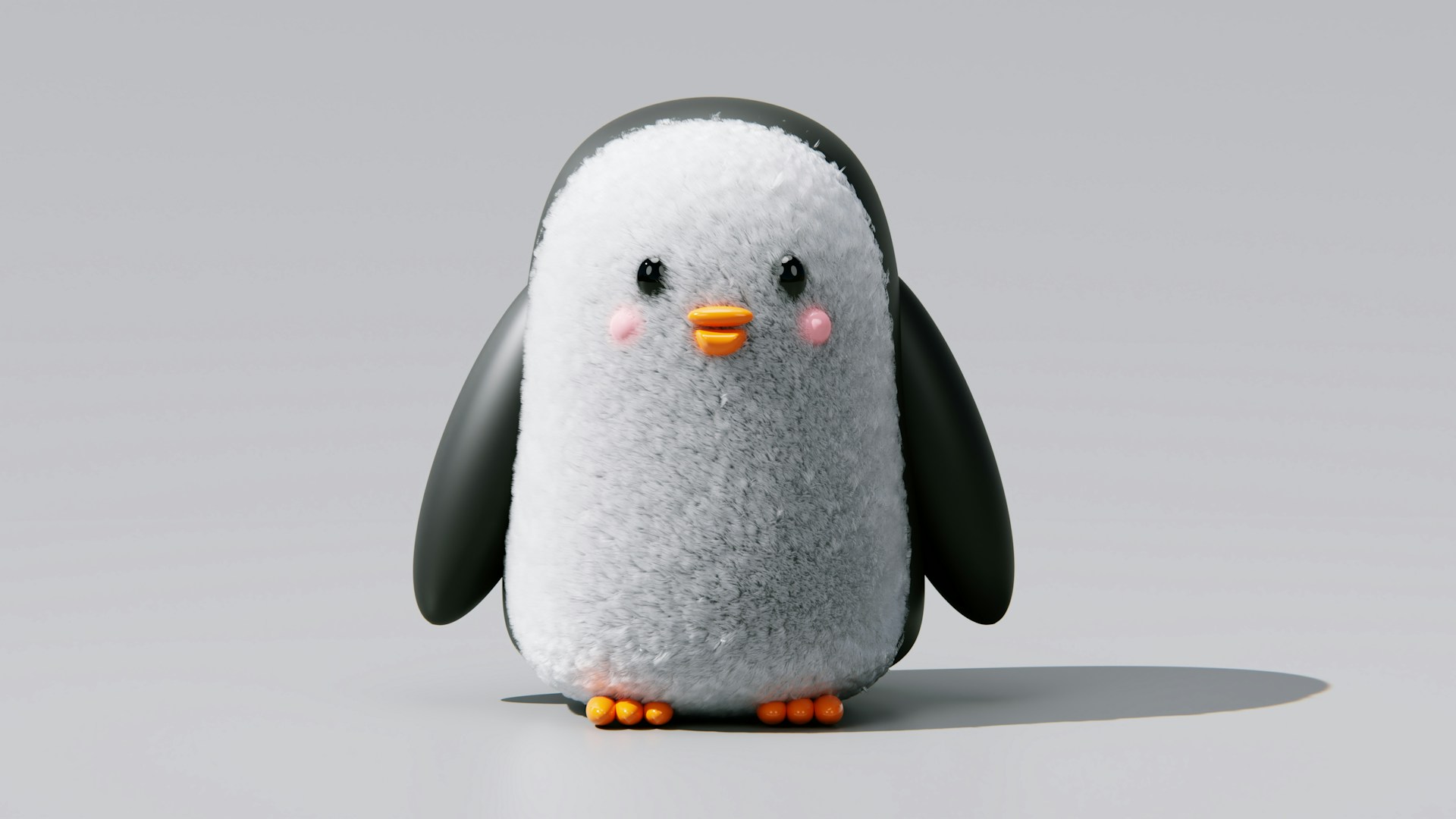
When you watch a modern animated film or a high budget commercial, it is easy to get swept up in the magic. The characters move smoothly, their faces show deep emotion, and the worlds they live in feel completely real. If you are looking to create a premium 3d animation cartoon video for your business, you might look at these visuals and wonder what it actually takes to build them from scratch. Bringing a digital personality to life is an incredible journey, but it is also a highly technical process that requires a massive amount of specialized skill, computing power, and time.
At Hatch Studios, we have been developing high quality 3d animated videos for decades. We have seen the software evolve from its early experimental days to the powerhouse pipelines we use today. Over the years, we have helped businesses of all sizes turn abstract concepts into memorable corporate assets. In this guide, we want to peel back the curtain and explain how to do 3d animation at a studio level, while breaking down the intricate steps that go into building professional cartoons in 3d.
The Blueprint Phase: Pre Production and Art Direction
Every great digital creation starts with a completely static idea. Before an artist ever touches a mouse or a drawing tablet, a production team has to lay the creative foundation. This is where we define the narrative script, map out the pacing, and establish the visual tone of the piece.
Art direction is incredibly important here because cartoons in 3d can look like almost anything. Some brands prefer a hyper-realistic finish where fabrics and surfaces look completely lifelike, while others lean into a highly stylized 3d cartoon style that feels playful and approachable. During this early design phase, our artists explore various art styles and cartoon profiles to find a balance that matches your existing brand identity.
Once the look is established, we build a detailed storyboard. This acts as a comic book-style roadmap for the entire project. It allows everyone to review the camera angles, the scene transitions, and the basic character actions before we launch into the heavy computer modeling work. Planning everything out at this stage is essential because making structural changes to an active 3d cartoon model later in production is incredibly time-consuming and expensive.
Building the Virtual Asset: 3D Modeling and Texturing

Once the flat sketches are approved, the project transitions into the actual production phase. The first task is to transform those 2D concepts into true 3D assets. A digital modeler starts by building the character geometry inside a virtual space, essentially sculpting the character out of millions of tiny interconnected shapes called polygons. This is where a professional 3d cartoon character animation asset begins to take physical form.
After the geometry is complete, the character looks like a grey clay statue. To fix this, we apply textures and shaders. This is the digital equivalent of painting the sculpture and choosing its materials. Our texturing artists map out exactly how skin reflects light, how cloth folds, and how hair strands catch the sun.
If a brand tries to use a cheap, automated online cartoonizer video tool or a basic template 3d video maker, this is usually where the quality drops off completely. A generic program cannot replicate the microscopic details that give an asset a premium feel. Professional 3D animation production requires custom texturing pipelines to ensure that every single element looks polished and intentional under any lighting condition.
Building the Skeleton: The Complex Art of Rigging
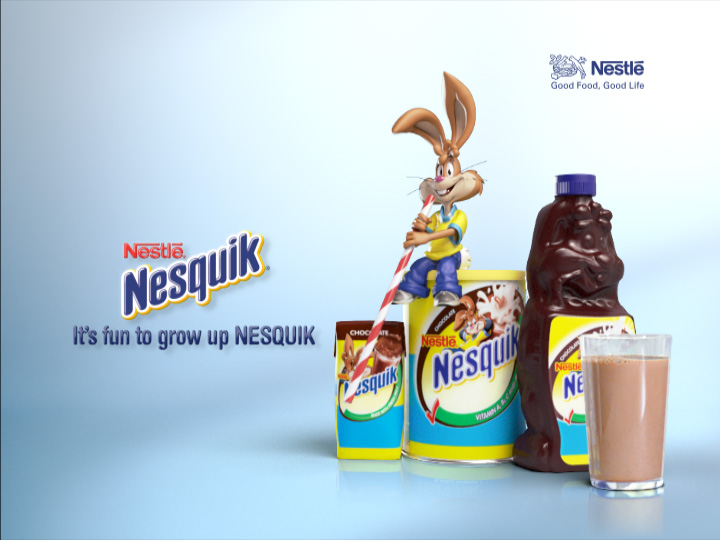
If you ask an outsider how to do 3d animation, they will usually jump straight from modeling to making the character move. But in reality, there is a hidden, incredibly technical middle step that trips up almost everyone. That step is rigging.
A digital model on its own is completely rigid. To make it moveable, a specialized technical director has to build a highly complex internal skeleton called a rig. They place virtual bones and joints inside the geometry and program specific rules for how those parts interact. For instance, when a character bends their elbow, the bicep muscles need to subtly bulge, and the skin around the forearm needs to stretch realistically.
Rigging a face for a high quality 3d cartoon character animation project is an entirely separate challenge. The rig must contain hundreds of tiny control points around the eyes, lips, and brows so the animator can dial in subtle human expressions like a slight smirk, a raised eyebrow, or a sudden look of worry. This technical plumbing is invisible to the audience, but it is one of the primary reasons why high-end character work is so labor intensive. Without an exceptional rig, the performance will look incredibly stiff and robotic.
Performance and Acting: The Animation Phase

Now that the character has a beautiful model, rich textures, and a flexible digital skeleton, it is finally ready to enter the animation phase. This is where our character animators take control. They act as the directors, puppeteers, and actors all at once.
Using the rig controls, the animator poses the character frame by frame along a timeline. They have to think about the physics of movement, gravity, weight, and inertia. If a character jumps, their body needs to squash slightly as they land to absorb the impact, then stretch back out as they stand up. This core principle applies heavily to the traditional 3d cartoon style, where movements are often comfortably exaggerated to create a fun, high energy performance.
This level of performance cannot be achieved by a basic template tool or an automated cartoonizer video app. True 3D character animation requires a human artist who understands weight, timing, and emotional subtext. The animator meticulously times the lips to match the pre recorded professional voiceover and adjusts the eyes to ensure the character is actively engaging with their environment. It is a slow, detailed craft that requires an immense amount of patience and dedication.
The Final Polish: Lighting, Rendering, and Compositing
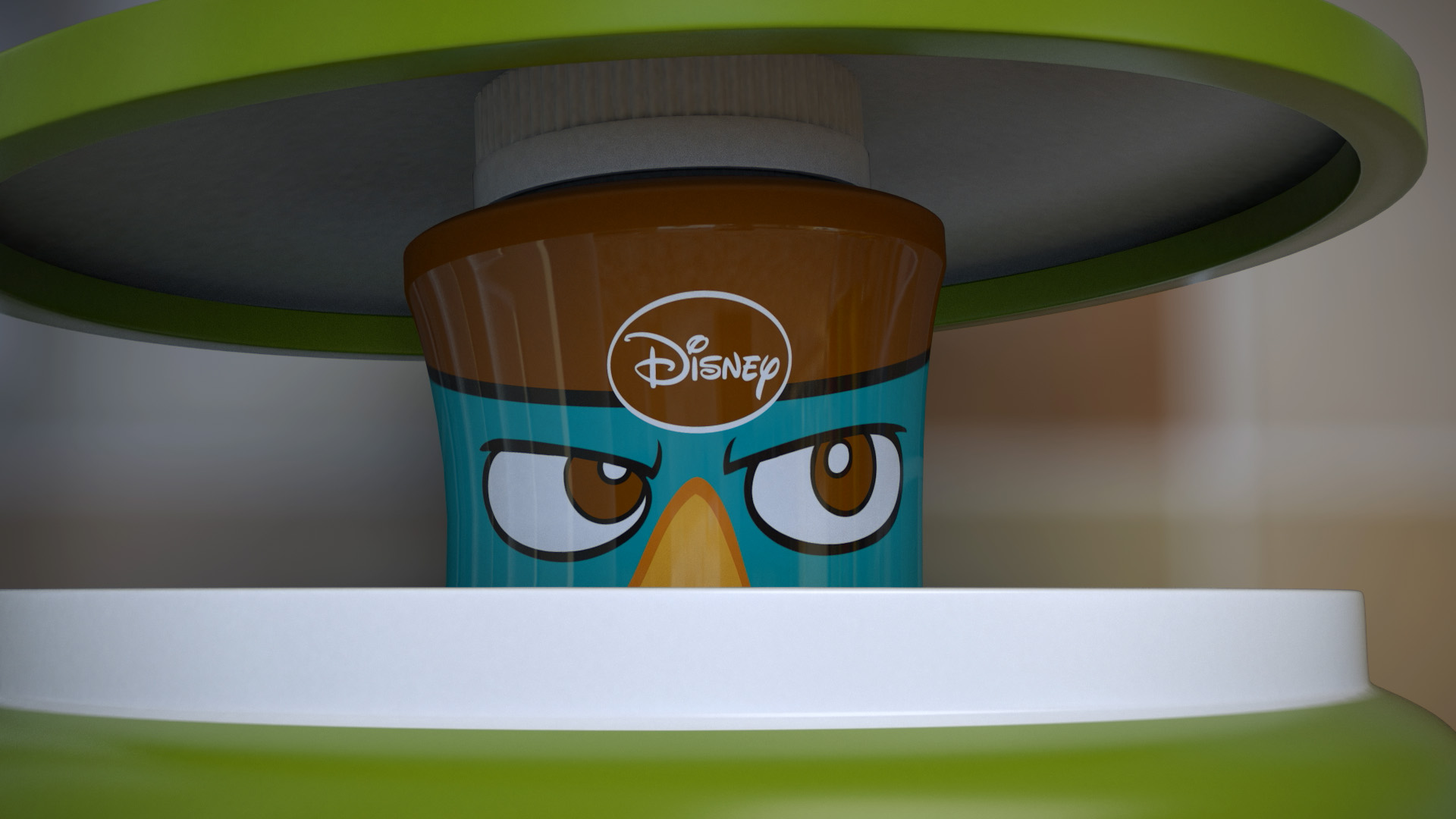
Once the movement is locked in, the scene moves to the final stage of the pipeline: post-production. The animated characters are placed into their final digital environments, and the lighting team takes over. Just like a real Hollywood camera crew, our artists place digital spotlights, fill lights, and ambient glows into the virtual scene to establish the exact mood of the story.
Once the lighting is perfect, the computer must compile all this mathematical data into the final video frames. This stage is called rendering. Because professional 3D animation production calculates billions of light bounces, shadows, and reflections per frame, this requires massive computer processing networks. A single second of high end video can take hours for a computer to process.
Finally, the rendered frames are sent to our compositing team. They use advanced software to layer in subtle atmospheric elements like dust motes, realistic lens flares, depth of field blurs, and other premium flourishes. This step brings all the elements together so the backgrounds and the characters feel like they truly belong in the exact same world.
Why Professional 3D Animation Is Costly
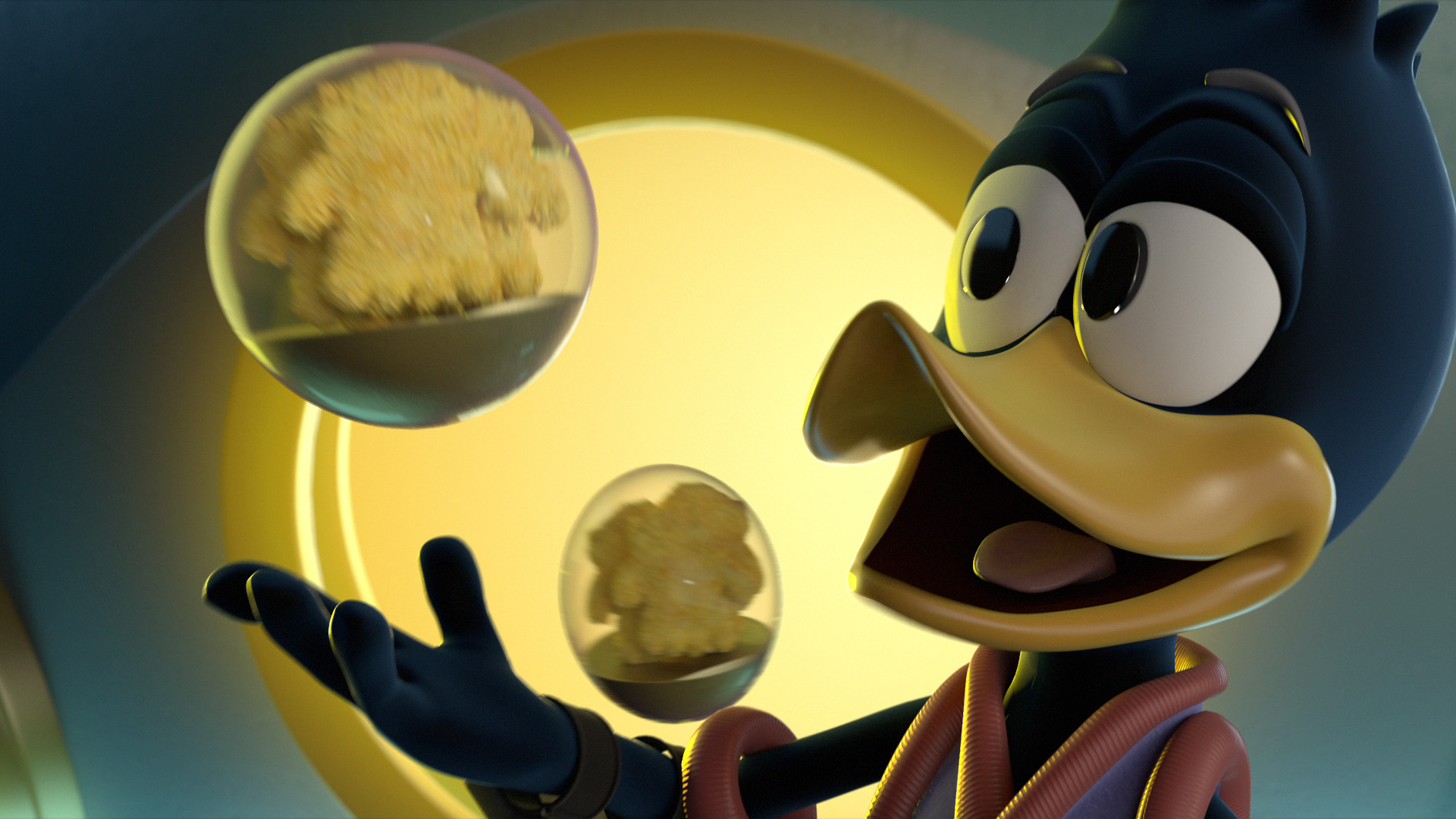
When business leaders review proposals for custom character content, they are often surprised by the budget requirements compared to simple text graphics or basic live action videos. The reality is that building a custom 3d cartoon character from scratch is an investment in high performance digital engineering.
Unlike an online 3d video maker that relies on pre made puppets and stiff template movements, a professional studio builds a completely unique visual infrastructure for your brand. You are paying for a multi disciplinary team of scriptwriters, modelers, texture artists, riggers, animators, and lighting directors who spend hundreds of combined hours refining every single second of your clip.
Furthermore, the assets we build are entirely evergreen. When we create a custom model for your business, you own that digital asset. You can reuse that exact character for a sixty second television spot, a fifteen second social media campaign, or a series of static high resolution graphics for your website banners and print ads. If your product line updates next year, we do not need to schedule an expensive live action reshoot. We can simply update the digital file and hit render again. It is a premium, reusable tool that scales alongside your enterprise.
The Versatility of Visual Mediums
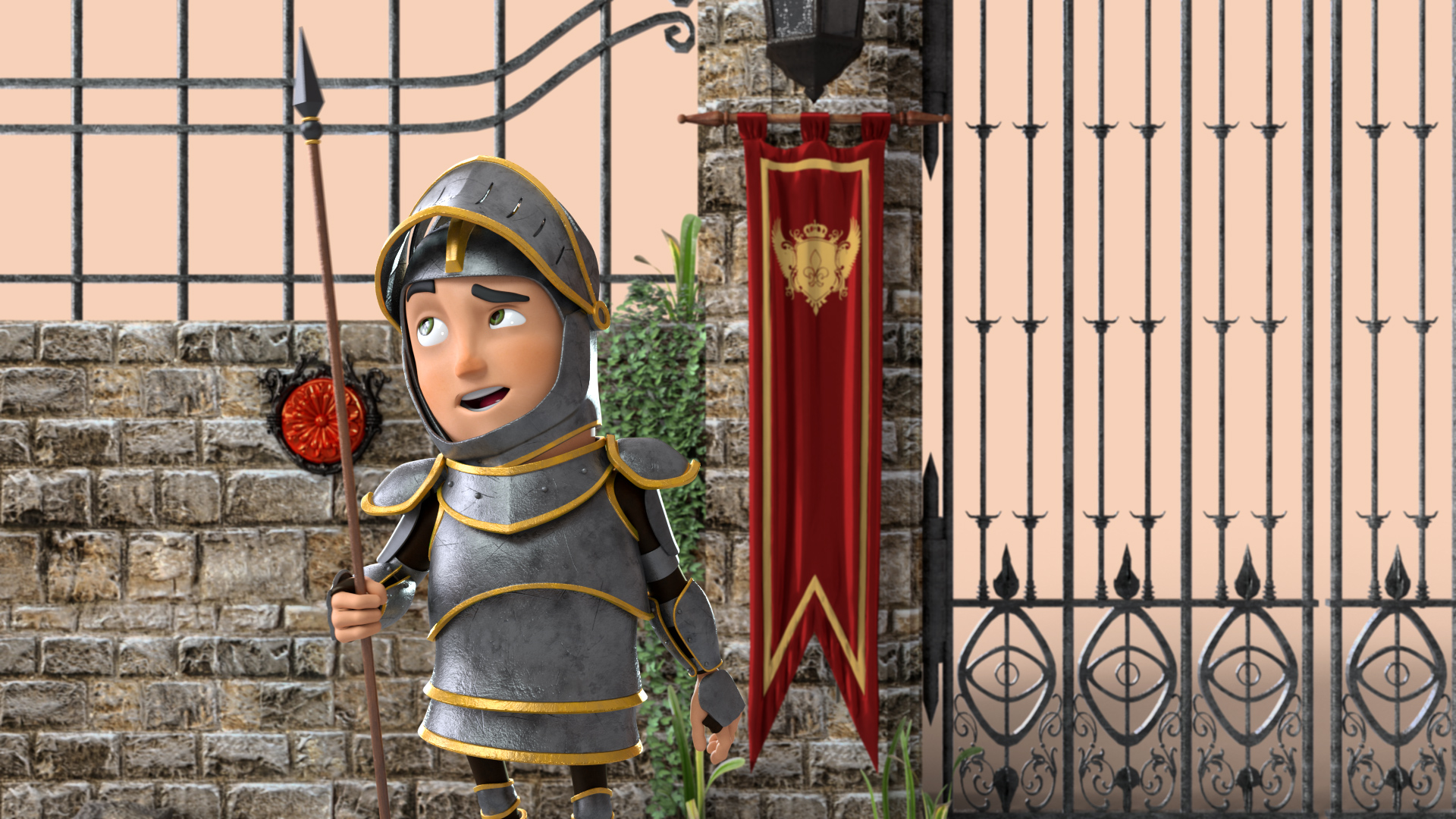
At Hatch Studios, we believe that your choice of visual style should always serve your specific corporate message. While we love creating rich, cinematic character stories, our production pipeline is built to handle a massive variety of corporate goals.
For software platforms and tech startups looking to simplify complex data, 2D animation production or clean motion graphics production can be an outstanding approach. These styles allow for sleek visual metaphors that explain abstract concepts quickly and efficiently. If your goal is to showcase a high end physical product with flawless detail, our dedicated product video production team can create hyper realistic 3D models that highlight every surface and mechanical interaction with crisp precision.
By working across a huge range of animation industries, from healthcare and manufacturing to finance and logistics, we have learned how to adapt our pipeline to match your industry guidelines and corporate standards. Whether you need an engaging explainer video production piece to hook new subscribers on your landing page or a highly detailed safety module for training video production, we know how to balance artistic flair with clear communication.
Partnering with Hatch Studios
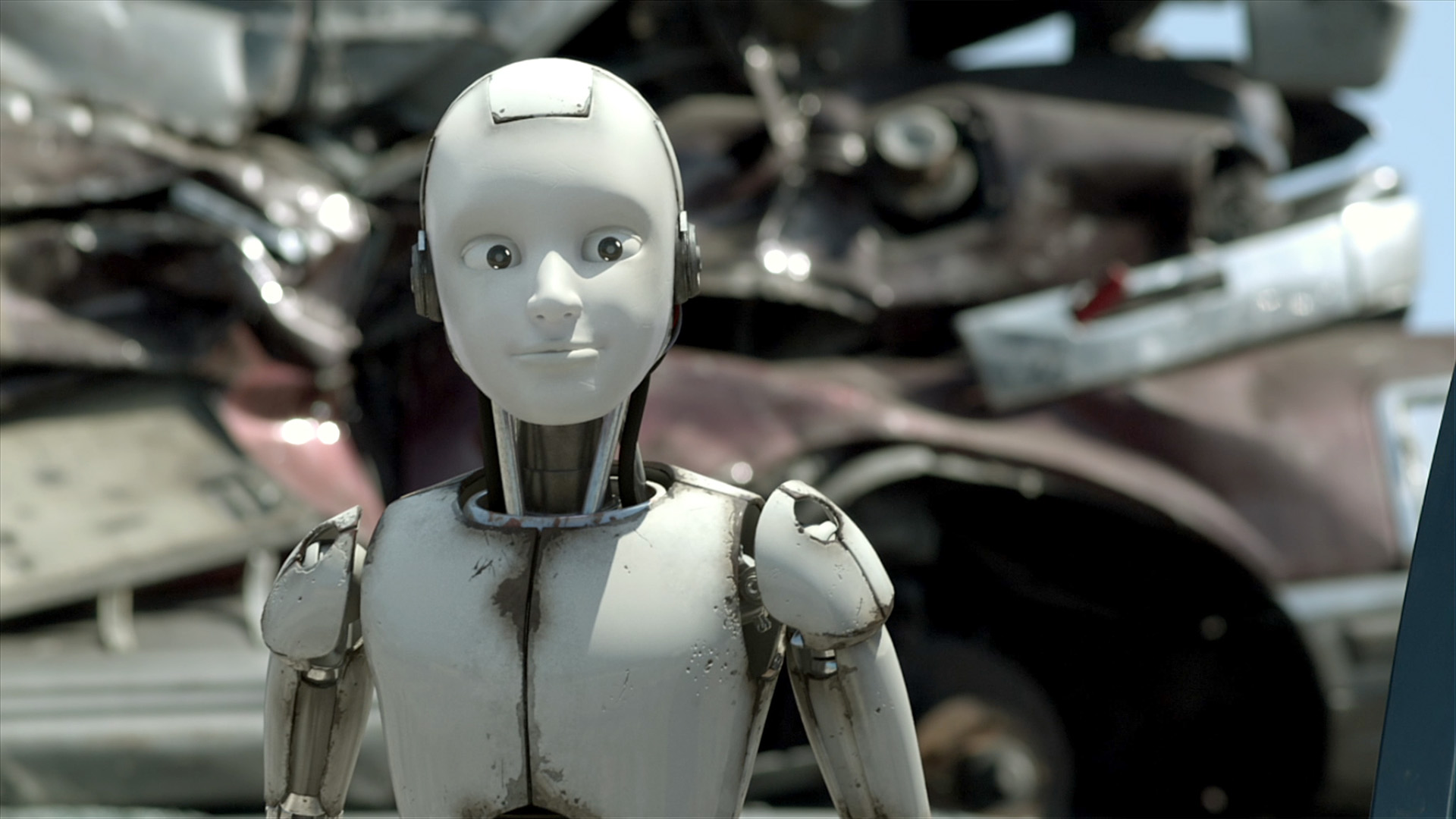
The digital space is noisier than it has ever been, and standing out requires a visual voice that is clear, polished, and unforgettable. A generic, cookie cutter video will quickly be forgotten, but a beautifully animated character story builds an instant emotional connection that turns casual viewers into loyal brand advocates.
We are incredibly proud of our studio history, and you can learn all about our creative journey, our core values, and our dedication to quality on our site. If you are looking for creative inspiration for your next big launch, we invite you to browse through our comprehensive portfolio of past work to see how we have brought different characters and worlds into reality. We also regularly share our industry knowledge, trend analysis, and deep dive technical guides on our official corporate blog.
When you work with us, you are not just hiring someone to use a software package. You are partnering with a dedicated team that has spent decades refining the animation process to ensure absolute clarity, efficiency, and professional results at every milestone. We take the time to deeply understand your product, your market challenges, and your audience demographics before we ever start sketching.
Ready to Bring Your Ideas to Life?
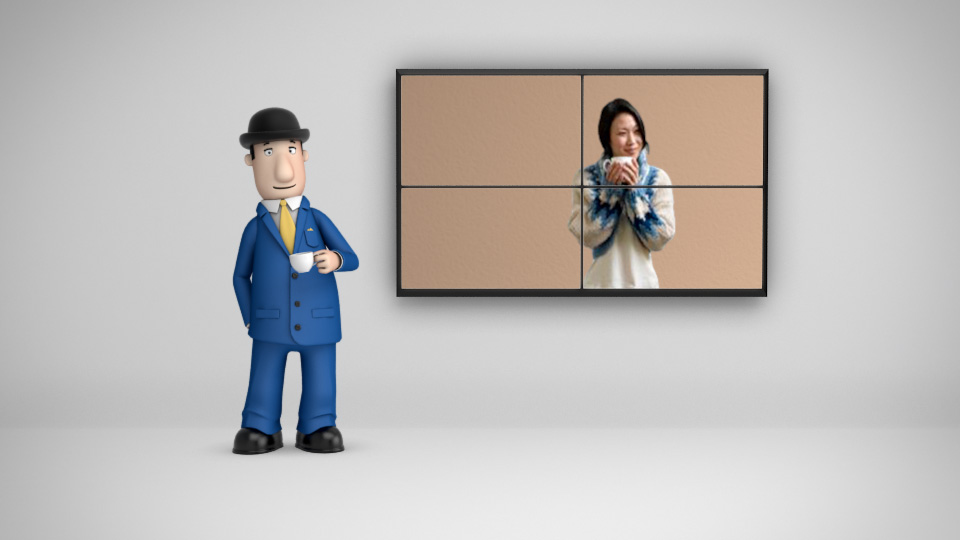
Whether you want to create a fun corporate mascot, a sleek futuristic product demo, or an inspiring brand story, custom animation is the most powerful tool you have to scale your message in the digital age. Do not settle for template solutions that make your business look just like everyone else.
If you are ready to explore the possibilities of custom 3D content and give your brand a premium visual edge, please visit our official contact page to get in touch with our creative team today. Let us look at your goals, map out your narrative, and use our decades of experience to build a spectacular, high performance animated video that drives real, lasting growth for your business.